Mold Removal & Mold Remediation in Miami, FL
Mold removal, remediation, moisture evaluation, inspection, testing, and related services for residential and commercial properties in Miami and surrounding communities.
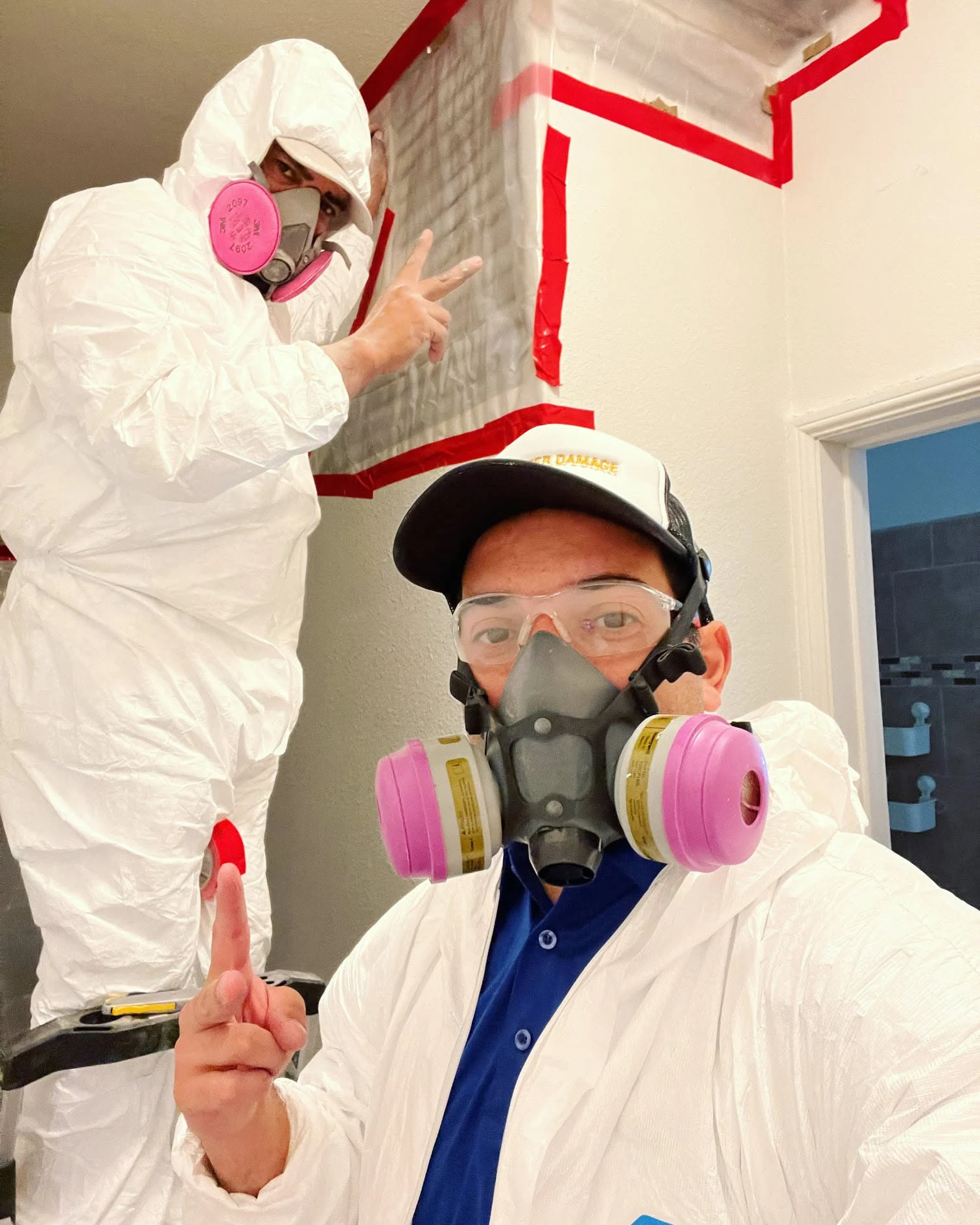
Mold Remediation Should Address Both Affected Materials and Moisture Conditions
Visible mold is often only one part of a property concern. Leaks, water intrusion, damp drywall, wet cabinetry, ceiling moisture, or concealed moisture may also need evaluation. The remediation scope should reflect the materials affected and conditions found during inspection.
- Visible mold or mold-like growth
- Water-damaged drywall and ceilings
- Moisture inside cabinets or wall cavities
- Recurring mold after a previous leak
- Areas requiring cleanup after water intrusion
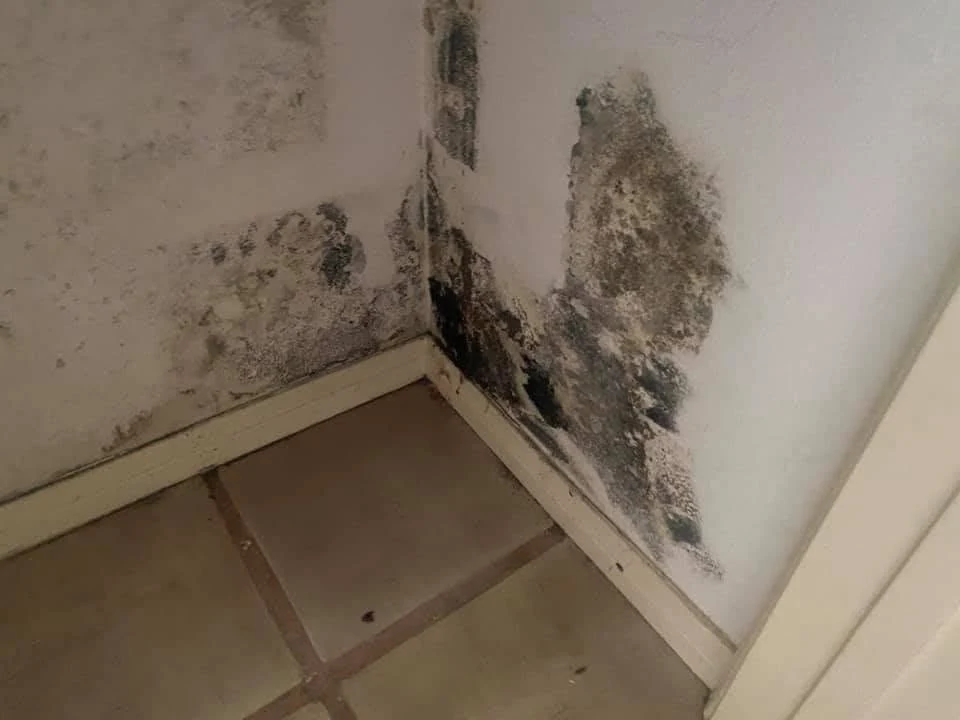
Inspection, Testing, Mold Removal & Remediation
Different property conditions may call for different services. Inspection and moisture evaluation help determine which next step may be appropriate.
Mold Inspection
Evaluate visible conditions, water damage, moisture, and areas that may require closer investigation.
Mold Inspection →Mold Testing
Testing and sampling may provide additional information depending on the purpose of the evaluation.
Mold Testing →Moisture Detection
Moisture meters, thermal imaging, and targeted inspection may support evaluation of suspected damp materials.
Moisture Detection →Mold Removal
Affected materials may require cleaning or removal based on material type, condition, and project scope.
Mold Removal →Mold Remediation
Remediation may involve containment, material removal, HEPA cleaning, air management, and detailed cleanup.
Mold Remediation →Water Damage Services
Wet materials, structural drying needs, and mold concerns may require evaluation after water intrusion.
Water Damage Services →Mold Remediation May Involve Several Different Steps
There is no single remediation method that fits every project. The appropriate scope depends on the affected materials, moisture conditions, access, and extent of the affected area.
Work areas may be isolated when appropriate to help manage dust and debris during remediation.
Some porous or damaged building materials may require removal depending on their condition.
Detailed cleaning methods may be used on surfaces and work areas as part of the remediation process.
The remediated area may be reviewed after cleanup to determine whether additional evaluation is appropriate.
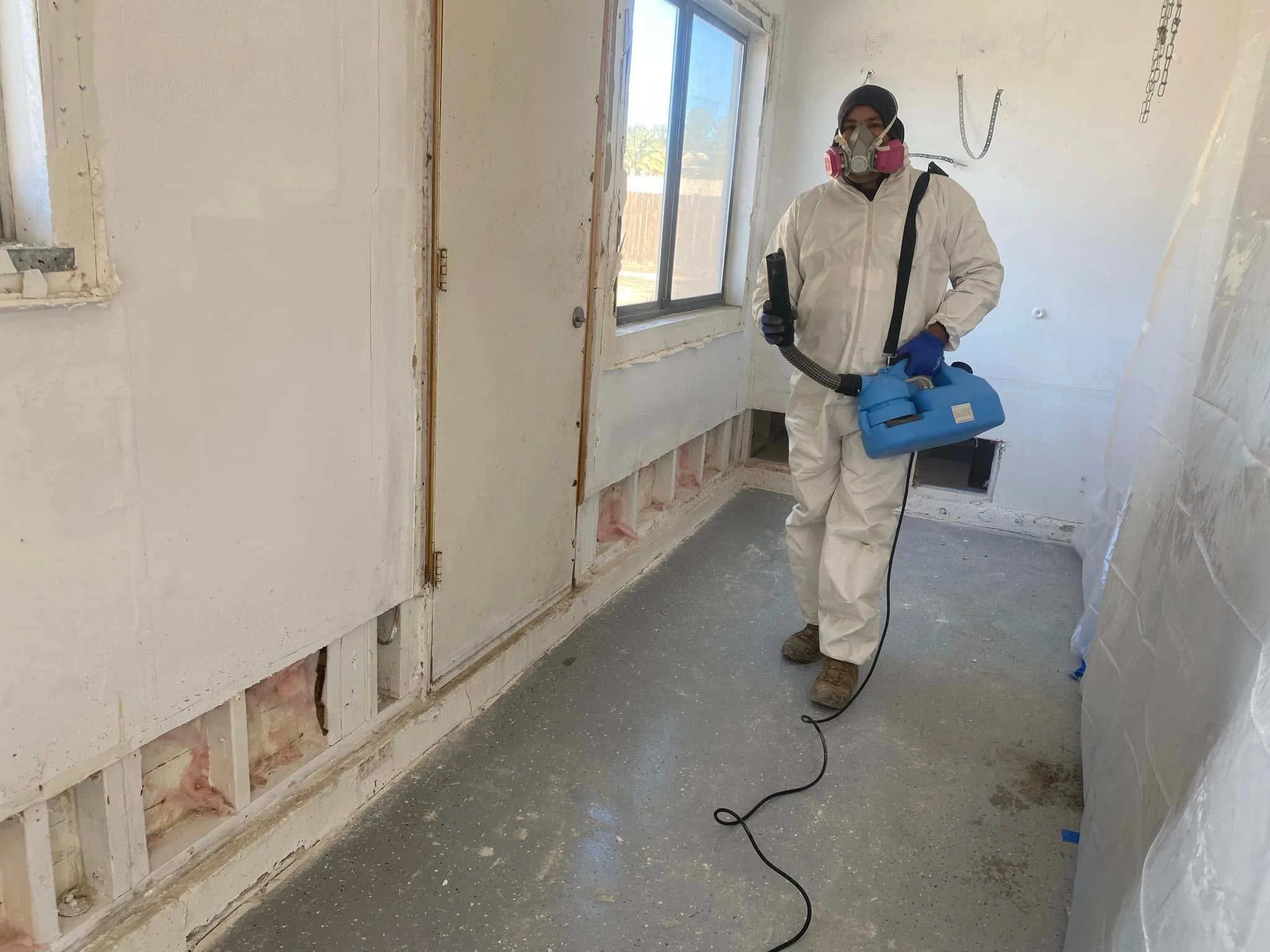
Containment May Be Used When Remediation Work Could Disturb Affected Materials
Depending on the project, containment and air-management methods may be appropriate while affected materials are removed or cleaned. The setup should match the work being performed rather than applying the same method to every property.
- Defined remediation work area
- Protection of nearby surfaces when appropriate
- Removal of affected building materials
- Detailed cleaning of the work area
- Review after remediation activities
Some Mold-Affected Materials May Need Removal Rather Than Surface Cleaning
Material type and condition matter. Drywall, insulation, cabinetry components, and other porous materials can respond differently to prolonged moisture or mold growth. Inspection helps determine what can be cleaned and what may require removal.
- Water-damaged drywall
- Damaged insulation
- Cabinet materials affected by leaks
- Materials inside wall cavities
- Other porous materials with significant damage
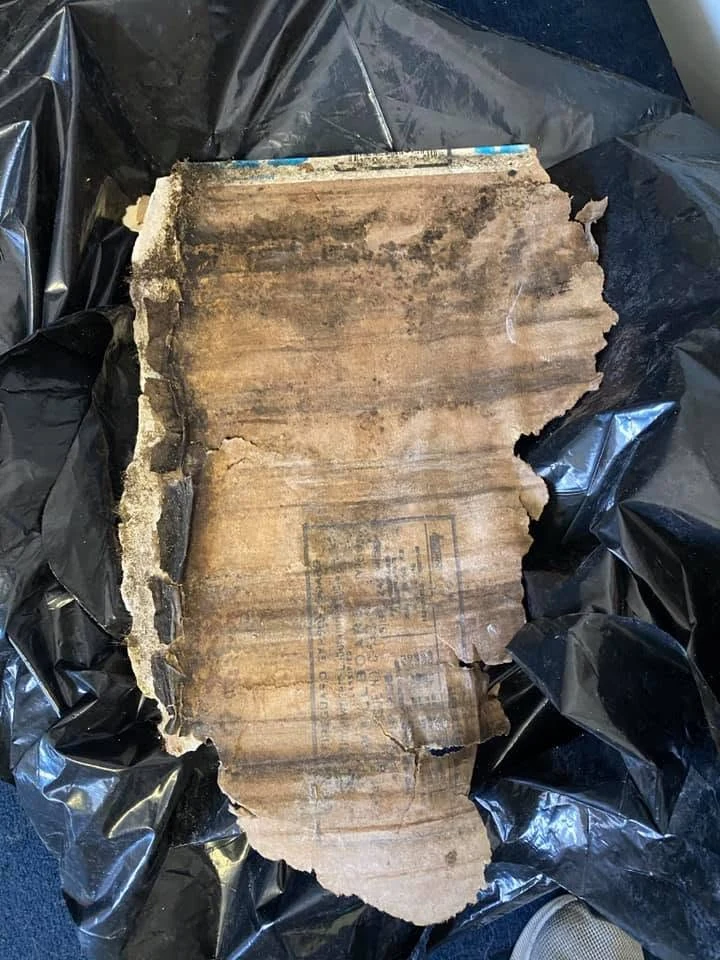
Mold Remediation Is More Effective When the Moisture Source Is Also Addressed
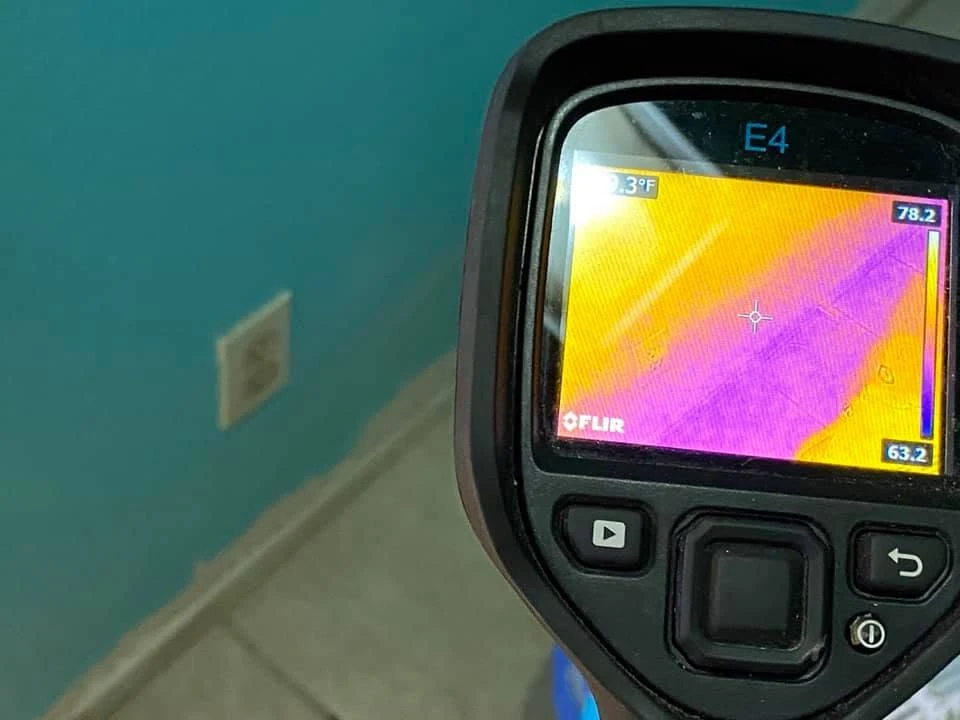
Moisture evaluation may include visual inspection, moisture readings, thermal imaging, and targeted review of areas affected by plumbing leaks, roof leaks, appliance failures, or other water intrusion.
Thermal imaging does not directly detect mold. Temperature patterns may help guide closer inspection for moisture or building conditions that deserve additional evaluation.
- Ceiling and wall moisture
- Moisture below sinks and cabinets
- Wet drywall and wall cavities
- Previously repaired leaks
- Recurring staining or damp areas
Water-Damaged Materials Can Require Drying, Removal, or Mold Evaluation
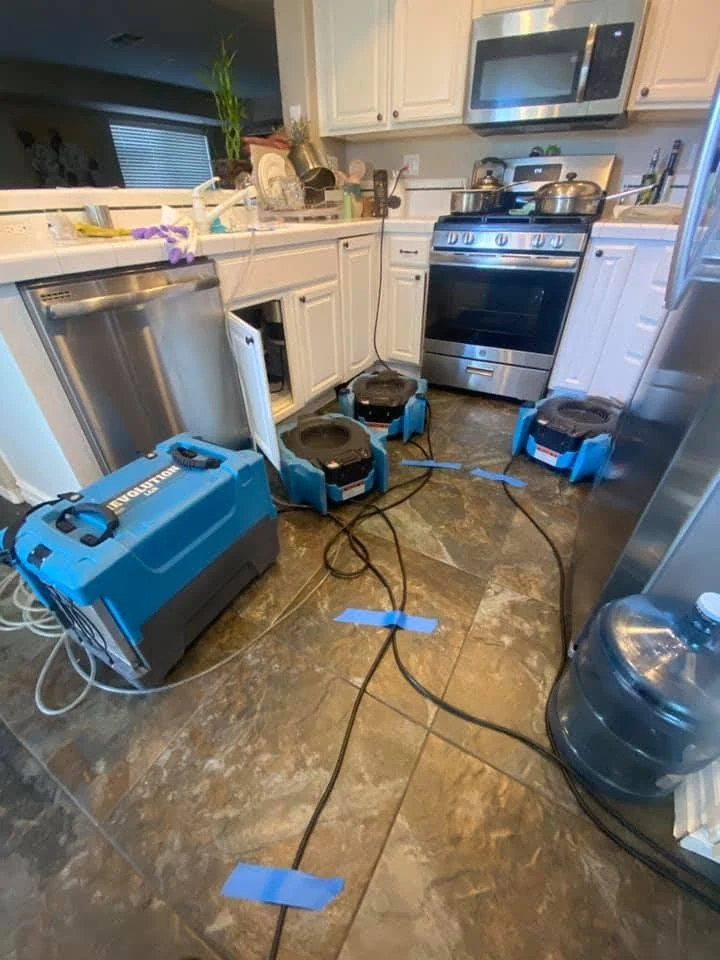
After a leak or other water event, materials may remain damp even after the visible water is gone. Depending on the condition, some materials may be dried while others may require removal. Mold evaluation may also be appropriate.
- Wet drywall and ceilings
- Cabinet and flooring moisture
- Water inside wall cavities
- Structural drying when appropriate
- Mold concerns after prolonged moisture
Mold Removal & Remediation for Miami Properties
Mold and moisture concerns involving bathrooms, kitchens, bedrooms, ceilings, walls, cabinets, and other residential areas.
Mold inspection, removal, and remediation support following leaks, water damage, or other moisture events.
Mold evaluation and remediation for offices, managed properties, and other commercial spaces.
From Mold Concern to Cleanup & Follow-Up
The exact steps depend on the property conditions, moisture source, materials involved, and remediation scope.
Describe the mold, water damage, leak, or moisture concern.
Review visible conditions, moisture, and affected areas.
Determine which materials and areas may require remediation.
Perform appropriate containment, removal, and detailed cleaning.
Review the work area and determine whether additional evaluation is needed.
Call to discuss visible mold, recurring mold, water-damaged materials, leaks, moisture concerns, or remediation needs for a property in the Miami area.
Call (305) 526-4194Common Questions About Mold Removal & Remediation in Miami
Do you provide mold removal in Miami?
Mold removal and remediation services are available for residential and commercial properties in the Miami area. The appropriate scope depends on the materials and conditions found.
Does every mold problem require demolition?
No. The appropriate approach depends on the type and condition of the affected materials. Some materials may be cleanable, while others may require removal.
Can you check for moisture before mold remediation?
Moisture evaluation may include visual inspection, moisture readings, thermal imaging, and targeted review of areas affected by leaks or water intrusion.
Does thermal imaging detect mold?
No. Thermal imaging does not directly detect mold. Temperature patterns may help guide closer inspection for moisture or building conditions requiring further evaluation.
Can mold remediation include containment and HEPA cleaning?
Depending on the project, remediation may include containment, affected-material removal, HEPA cleaning, air management, and detailed surface cleanup.
What number should I call for Miami mold service?
Call (305) 526-4194 for mold removal, remediation, inspection, testing, and moisture-related inquiries in the Miami area.
Need Help With Mold or Moisture?
Tell us what is happening at your property. Submit the form and our team will follow up about your mold testing, inspection, removal, remediation, or moisture concern.