Mold Testing & Mold Removal in Romoland, CA
Professional mold testing, inspection, removal, remediation, moisture detection, and water-damage services for residential, rental, managed, and commercial properties in Romoland.
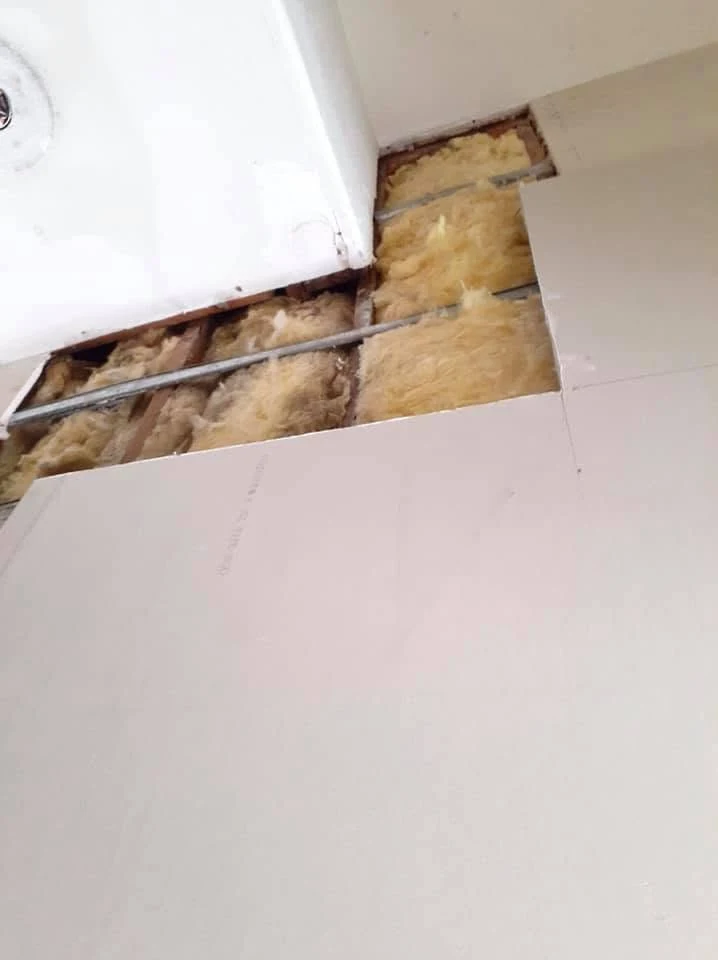
Mold Concerns Can Continue When Water Remains in Concealed Materials
Plumbing leaks, bathroom or kitchen water damage, damp drywall, ceiling moisture, and previously wet wall cavities can leave materials that require additional evaluation even after the visible leak has been corrected.
- Bathroom and kitchen plumbing leaks
- Wet or damaged drywall
- Ceiling and wall water damage
- Hidden moisture inside wall cavities
- Recurring mold after previous repairs
Mold Testing, Inspection, Removal & Remediation
The appropriate service depends on the moisture source, affected building materials, reason for the evaluation, and conditions found at the property.
Mold Testing
Mold testing and sampling when additional information may help evaluate a suspected mold condition.
Mold Testing →Mold Inspection
Review visible mold, water damage, moisture conditions, and building areas that may need closer evaluation.
Mold Inspection →Moisture Detection
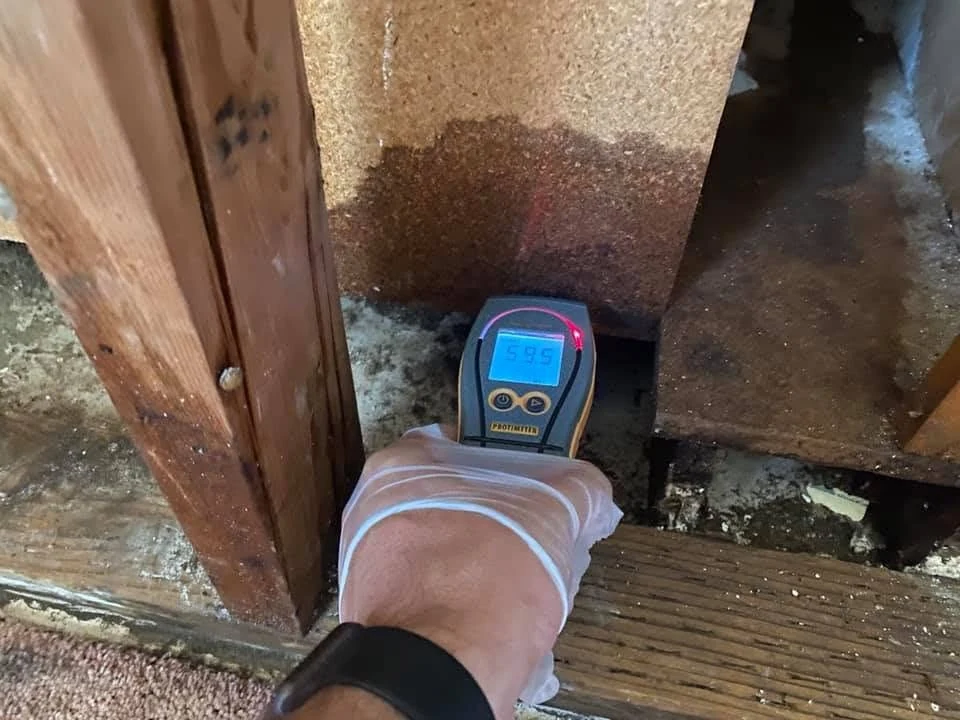
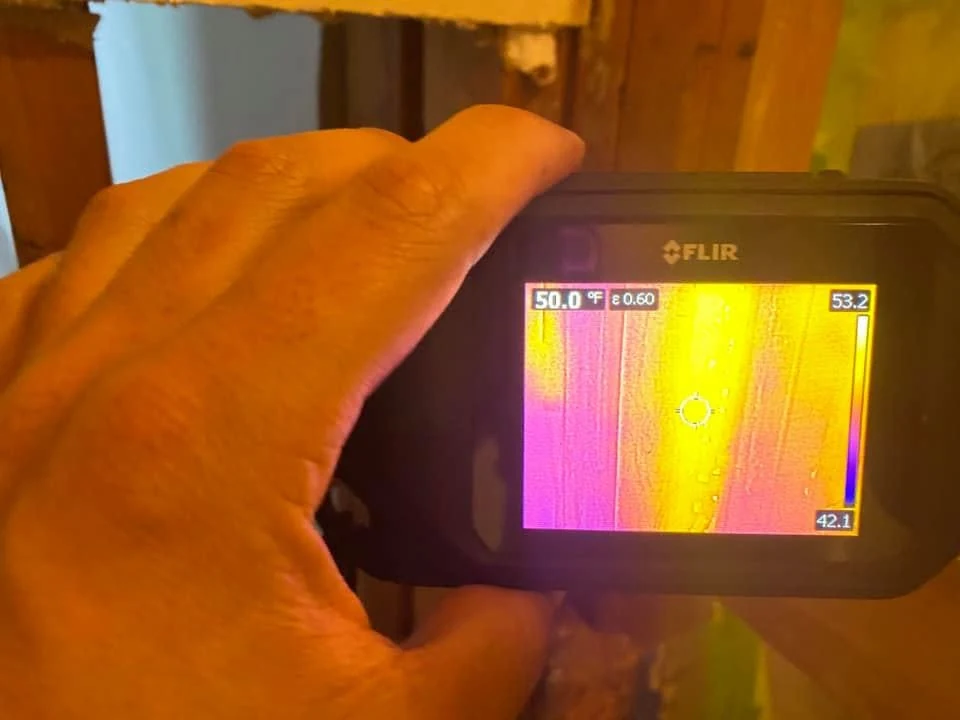
Moisture meters and thermal imaging can support inspection of suspected hidden or damp building materials.
Moisture Detection →Mold Removal
Remove or clean mold-affected materials according to their condition and project scope.
Mold Removal →Mold Remediation
Containment, affected material removal, HEPA cleaning, air management, and detailed cleanup.
Mold Remediation →Water Damage Restoration
Evaluate wet materials, drying needs, hidden moisture, and mold concerns connected to water intrusion.
Water Damage Restoration →The Area That Looks Dry May Still Have Moisture Behind It
Water can move into drywall, wall cavities, cabinet materials, flooring, ceilings, and other concealed areas. A visual inspection alone may not show the full moisture condition.
Supply, drain, fixture, and appliance leaks can affect drywall, cabinets, flooring, and nearby wall cavities.
Drywall can absorb water from plumbing or nearby materials and may remain damp after the visible leak is gone.
Water entering from above can affect ceilings, upper walls, insulation, and concealed materials.
Repeated mold growth may indicate that an underlying moisture condition still needs evaluation.
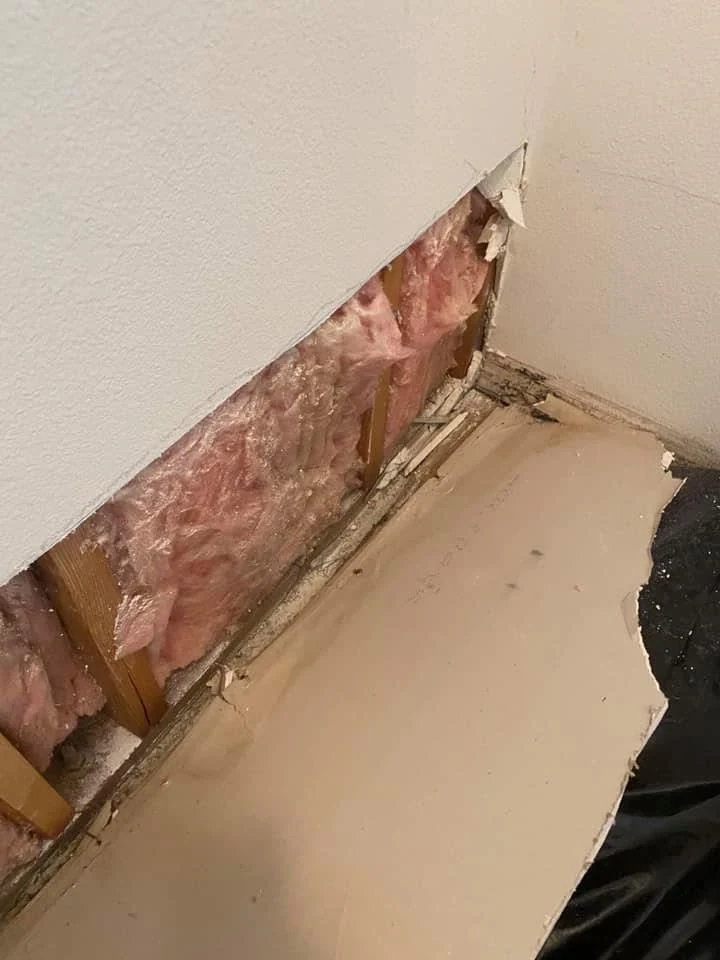
Water-Damaged Drywall Can Hide Moisture in the Cavity Behind It
When water enters drywall, the surrounding wall assembly may also be affected. Moisture measurements and targeted inspection can help determine whether concealed materials require additional attention.
- Soft or deteriorated drywall
- Water stains and discoloration
- Moisture near plumbing penetrations
- Damp wall cavities
- Suspected mold behind finished surfaces
Testing May Help When the Full Mold Condition Is Not Visible
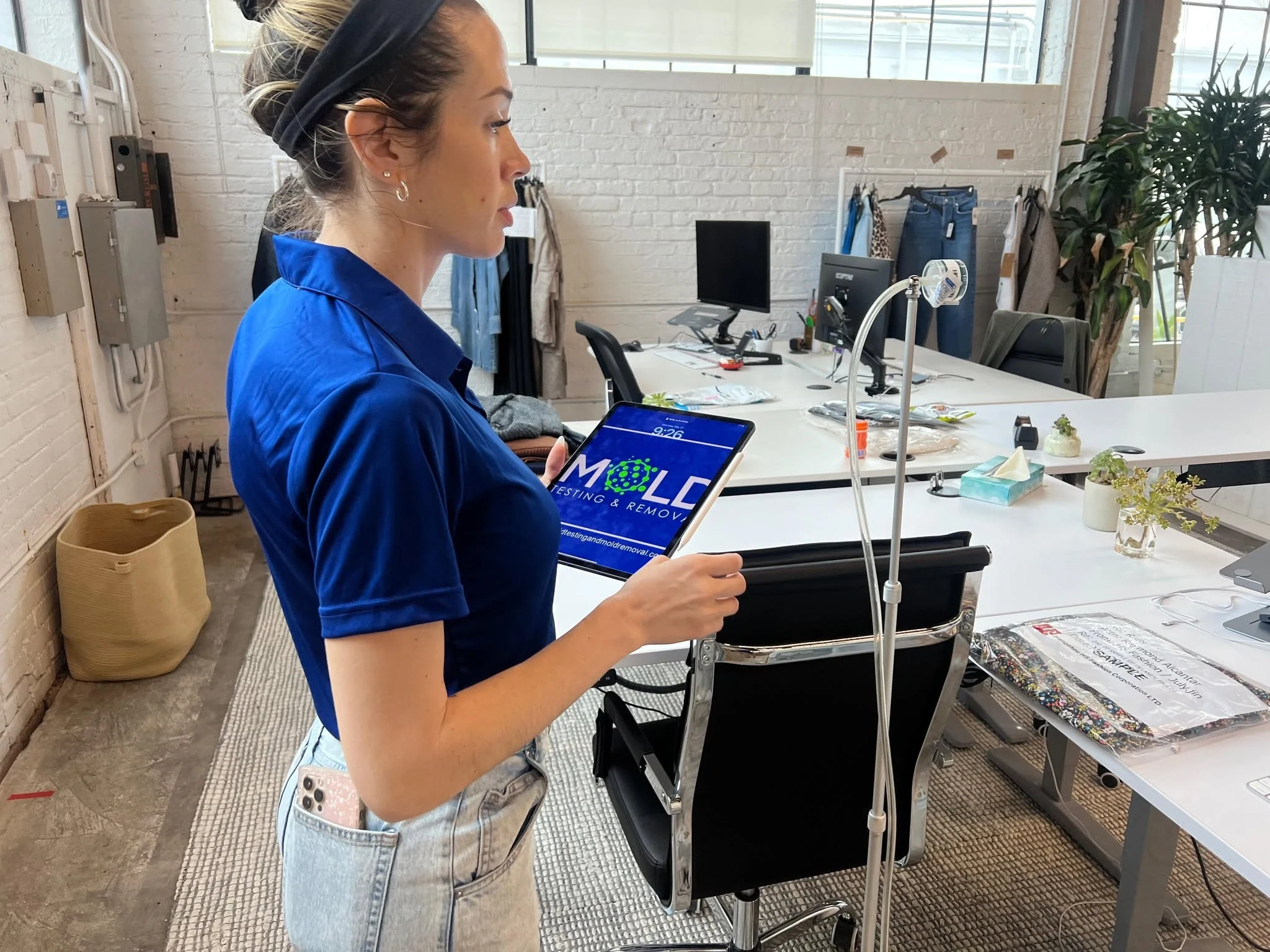
Depending on the reason for the evaluation, mold testing may involve air sampling, surface sampling, moisture measurements, and visual inspection.
- Suspected hidden mold
- Visible mold-like growth
- Indoor air concerns
- Past or current water damage
- Post-remediation evaluation
Finding the Water Source Is Only Part of Evaluating the Damage
Once the likely leak or water source is identified, nearby materials may still need moisture evaluation. Thermal imaging may help guide closer inspection, but it does not independently confirm mold or water.
- Plumbing connections and fixtures
- Areas with repeated staining
- Walls and ceilings near water sources
- Previously repaired leaks
- Suspected hidden moisture
Wet Materials May Require Drying, Removal, or Additional Evaluation
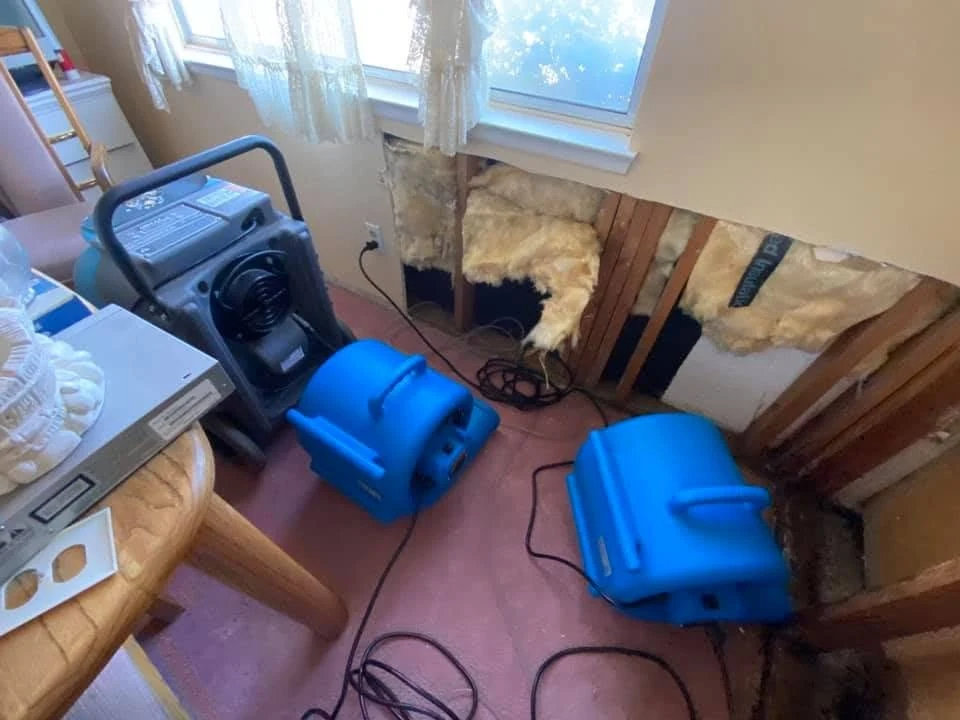
After a leak or water event, drywall, flooring, cabinets, and concealed materials may remain damp. Material condition and remaining moisture help determine the appropriate response.
- Evaluate affected building materials
- Measure remaining moisture
- Use drying equipment when appropriate
- Remove unsuitable damaged materials when needed
- Evaluate mold concerns after water damage
Remediation Should Be Based on the Actual Materials Affected
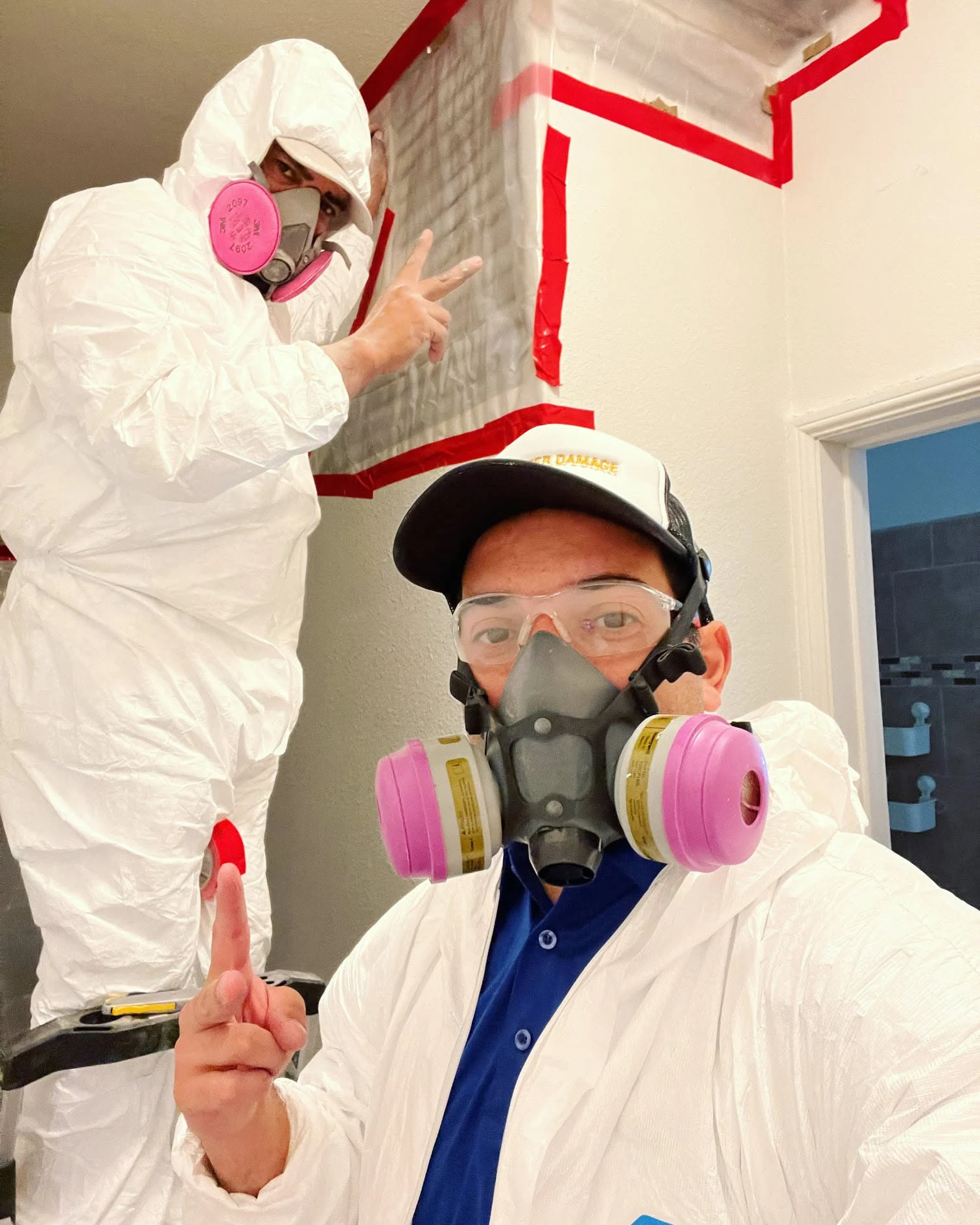
Depending on project conditions, mold remediation may include containment, controlled removal of affected materials, HEPA cleaning, air management, and detailed cleanup.
- Define affected materials and work areas
- Use containment when appropriate
- Remove unsuitable affected materials when needed
- Perform HEPA and detailed surface cleaning
- Review the area after remediation
Follow-Up Inspection Can Review Conditions After Remediation
After remediation is completed, the work area can be reviewed to determine whether additional moisture evaluation, sampling, or clearance testing is appropriate.
- Review completed remediation areas
- Check visible site conditions
- Evaluate moisture where appropriate
- Consider follow-up sampling when needed
- Identify remaining areas needing attention
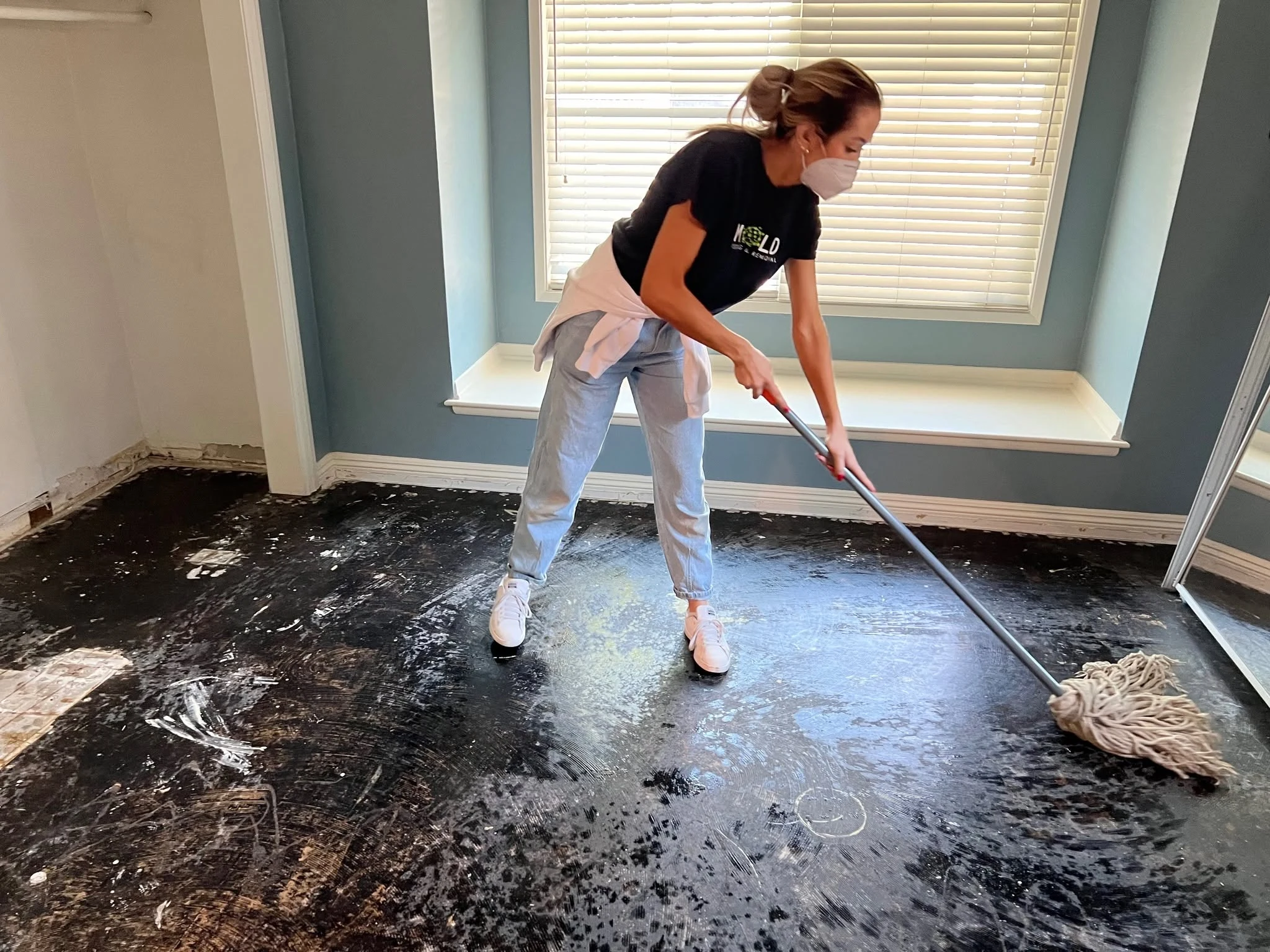
Mold & Moisture Services for Romoland Properties
Mold and moisture evaluation for kitchens, bathrooms, walls, ceilings, cabinets, flooring, and other residential areas.
Inspection and remediation support for properties affected by leaks, water damage, or suspected mold.
Mold testing, moisture evaluation, removal, and remediation for offices and other commercial spaces.
From Moisture Concern to Inspection, Service & Follow-Up
The appropriate response depends on the moisture source, affected materials, and conditions found during evaluation.
Describe the mold, moisture, leak, or water-damage concern.
Review visible conditions and relevant building areas.
Check affected and concealed materials when appropriate.
Complete appropriate testing, drying, removal, or remediation.
Determine whether additional follow-up evaluation is appropriate.
Mold Services Around Romoland
Explore additional city pages within our Southern California service area.
Common Questions About Mold Services in Romoland
Do you provide mold testing in Romoland?
Yes. Mold testing, inspection, sampling, moisture evaluation, and related services are available for Romoland properties.
Can you inspect mold after a plumbing or water leak?
Yes. Water can affect drywall, cabinets, flooring, walls, ceilings, and concealed materials, so mold and moisture evaluation may be appropriate.
Can you check for moisture behind drywall?
Moisture meters, thermal imaging, and targeted inspection may be used when concealed moisture is suspected.
Do you provide mold removal and remediation?
Yes. Mold removal, remediation, abatement, affected-material removal, cleaning, and related follow-up services are available.
Can the property be evaluated after remediation?
Yes. Post-remediation inspection and clearance testing are available when follow-up evaluation is appropriate.
How do I request mold service in Romoland?
Call (424) 369-7947 or submit the service request form below with the property location and a description of the concern.
Need Help With Mold or Moisture?
Tell us what is happening at your property. Submit the form and our team will follow up about your mold testing, inspection, removal, remediation, or moisture concern.