Mold Testing, Moisture & Remediation Resources
Practical information about mold testing, inspection, hidden moisture, mold removal, remediation, water damage, and post-remediation evaluation for property owners.
Learn About Mold, Moisture & Property Water Damage
Start with the subject that best matches the issue you are trying to understand.
Testing, air sampling, surface sampling, and when additional information may be useful.
02 Mold InspectionVisual evaluation, water history, moisture conditions, and suspected mold.
03 Hidden MoistureWalls, ceilings, cabinets, flooring, and concealed materials affected by water.
04 Mold RemediationContainment, material removal, HEPA cleaning, and project cleanup.
05 Water DamageWet building materials, drying, hidden moisture, and related mold concerns.
06 Leak DetectionUnderstanding where water may be entering or affecting building materials.
07 After RemediationFollow-up inspection, moisture evaluation, and post-remediation considerations.
08 Frequently Asked QuestionsDirect answers about testing, moisture, remediation, and service requests.
Understanding Mold Often Starts With Understanding Water
Mold concerns are frequently connected to plumbing leaks, water intrusion, damp drywall, ceiling moisture, wet cabinets, flooring, or other building materials. Looking at the moisture condition helps provide context for the mold concern.
- Identify known or suspected water sources
- Check materials around the visible problem
- Evaluate concealed moisture when appropriate
- Determine whether mold testing may add useful information
- Define the appropriate next service
Useful Starting Points for Common Mold & Moisture Concerns
These resource pages explain the major services and decisions involved when a property has mold, moisture, or water damage.
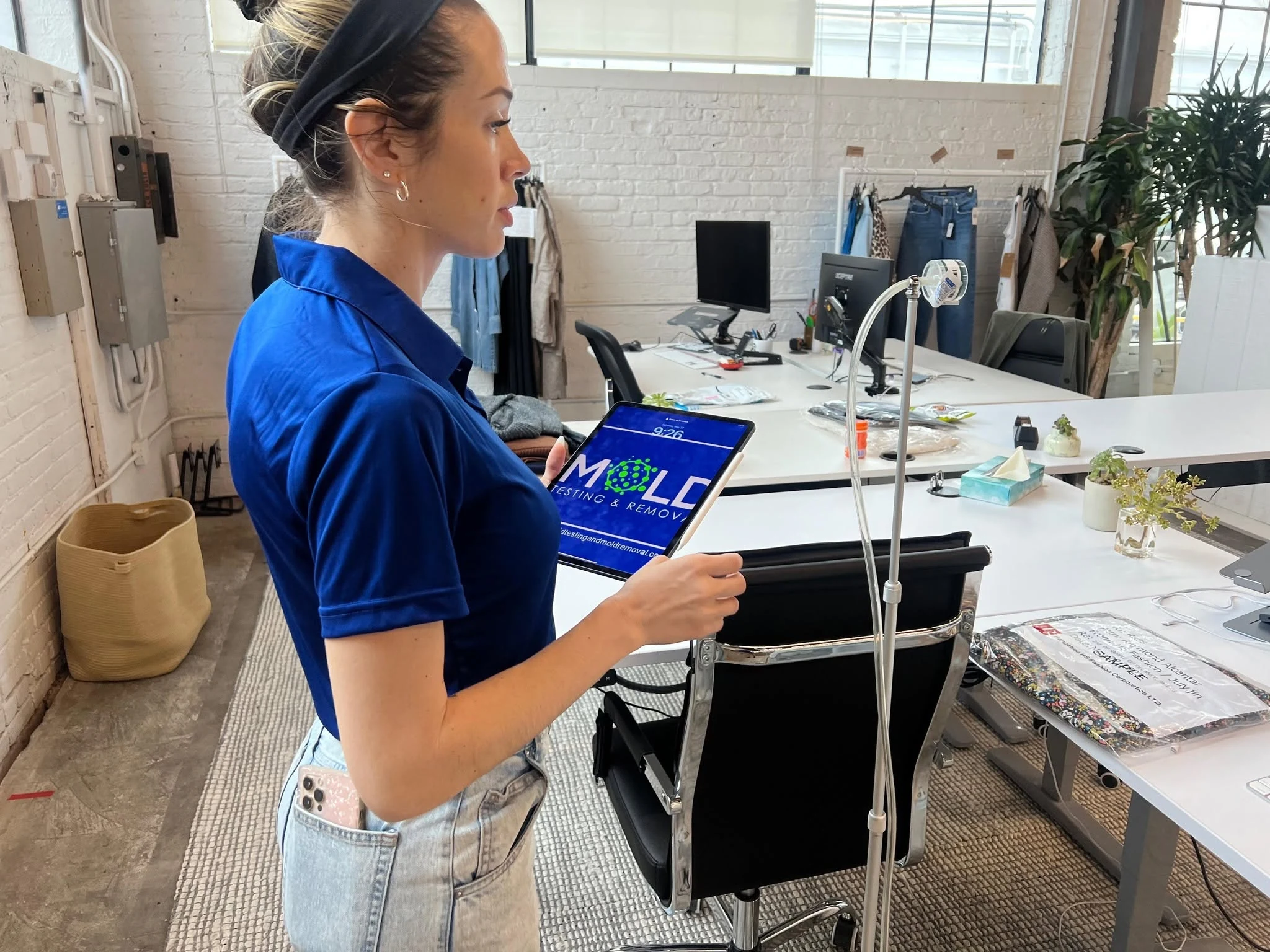
When Can Mold Testing Be Useful?
Learn how mold testing may be used when a suspected condition is not fully understood through visual inspection alone.
Read Mold Testing Guide →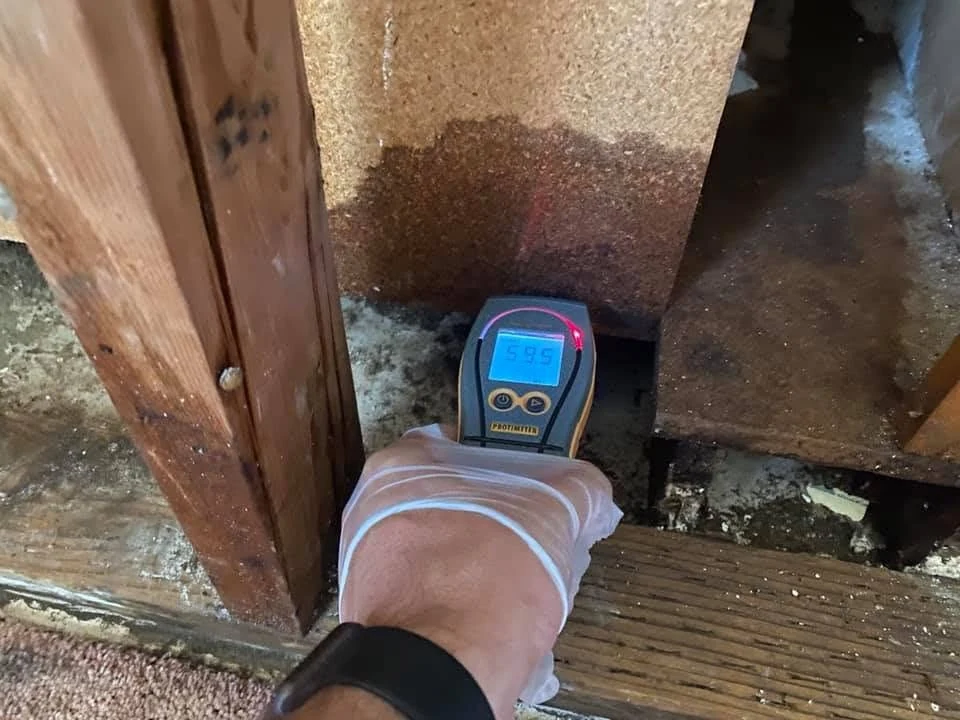
Can Moisture Remain Behind Drywall?
Understand why concealed materials may remain damp even after a visible surface begins to look dry.
Read Moisture Detection Guide →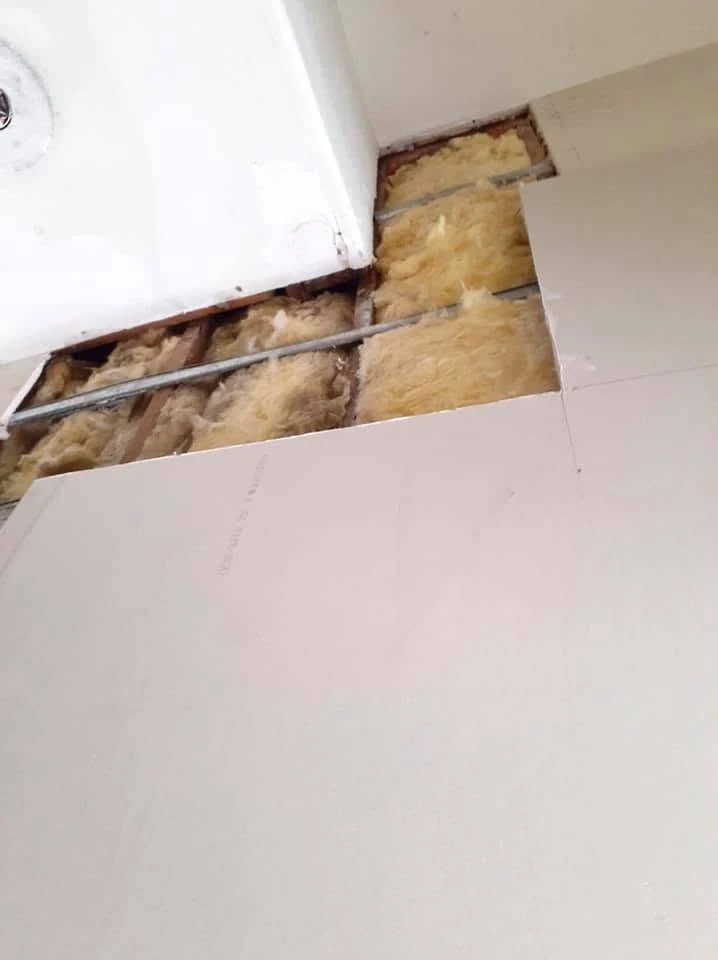
What Does a Mold Inspection Evaluate?
Learn how visible conditions, water history, moisture measurements, and suspect areas may be reviewed.
Read Mold Inspection Guide →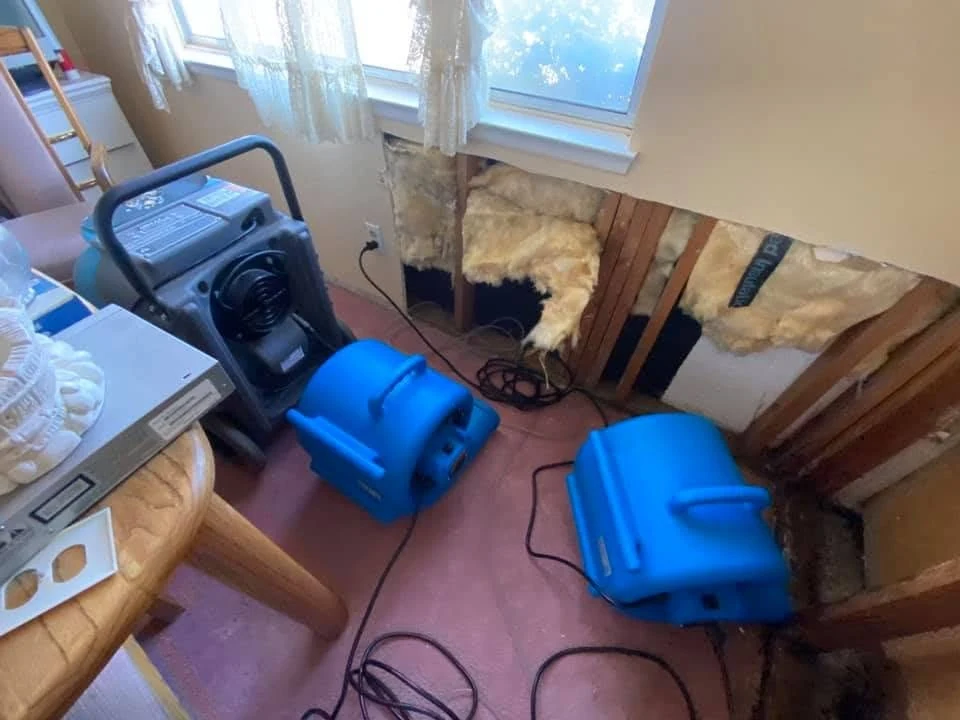
What Happens to Building Materials After a Leak?
Water can affect drywall, flooring, cabinets, ceilings, and concealed materials beyond the visible leak area.
Read Water Damage Guide →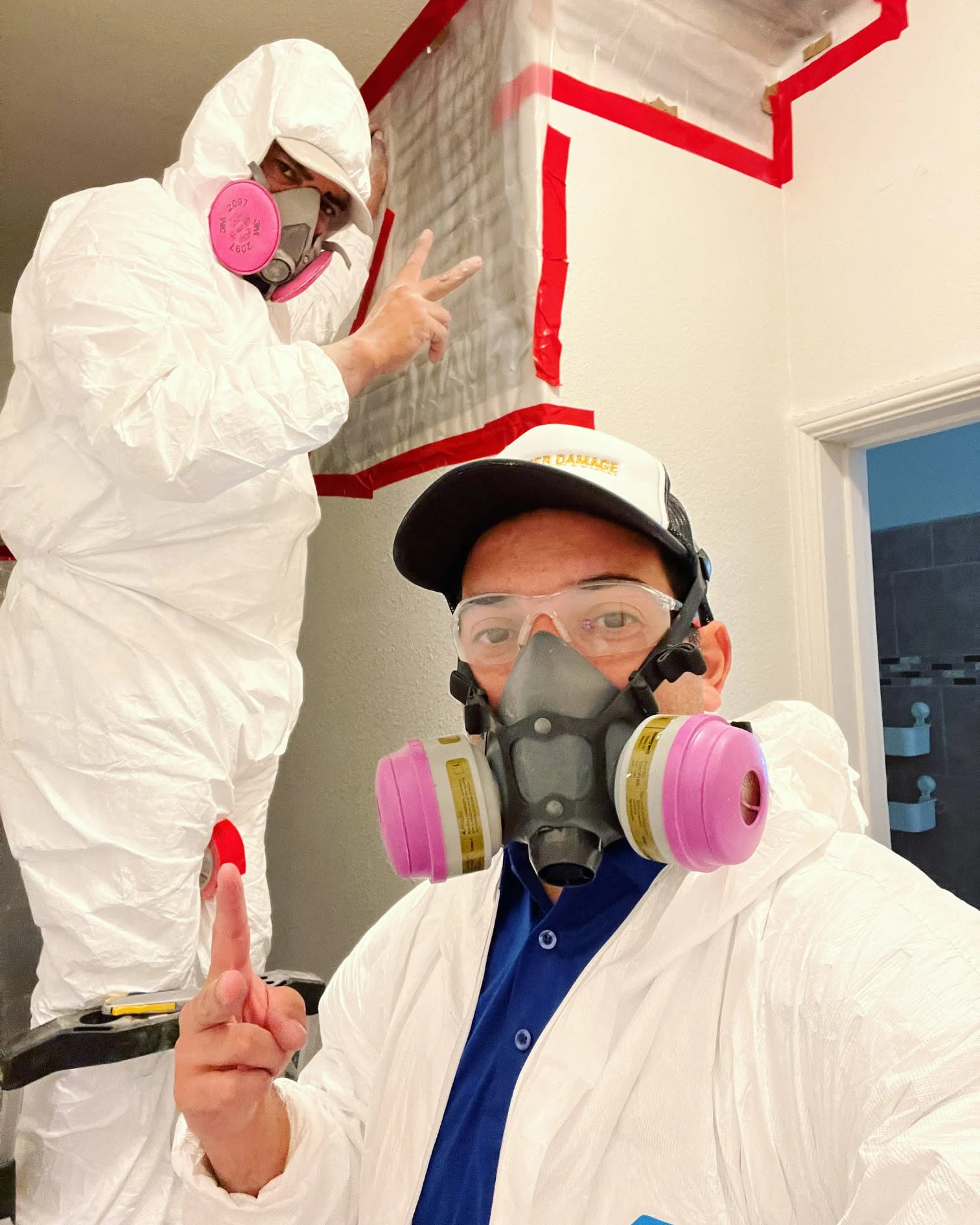
What Can a Mold Remediation Project Include?
Review containment, material removal, HEPA cleaning, air management, and detailed project cleanup.
Read Remediation Guide →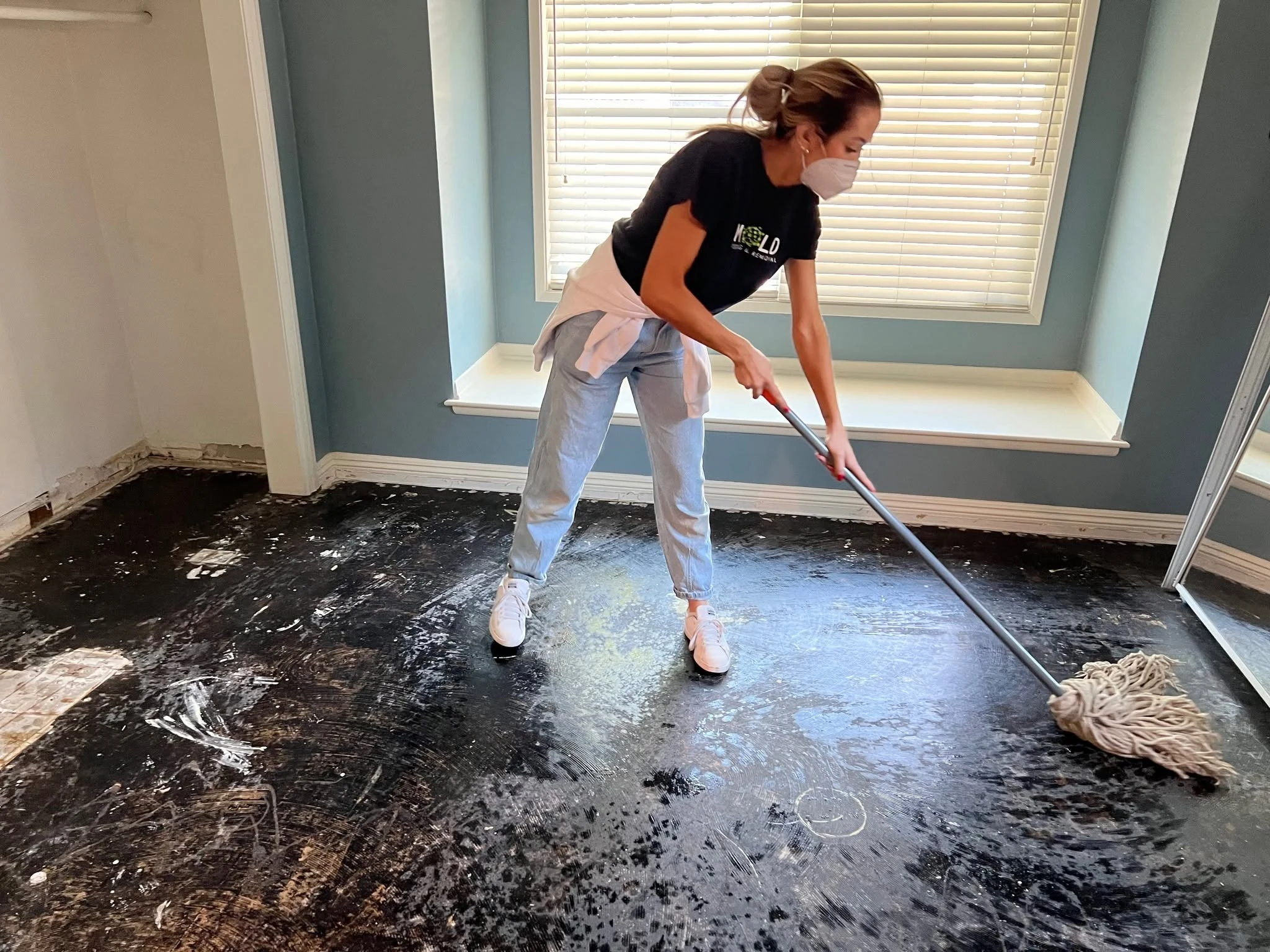
What Is a Post-Remediation Inspection?
Learn about reviewing visible site conditions, moisture, and whether follow-up sampling may be appropriate.
Read Follow-Up Guide →Quick Answers to Common Mold & Moisture Questions
These are some of the property concerns people often need to understand before deciding what type of service to request.
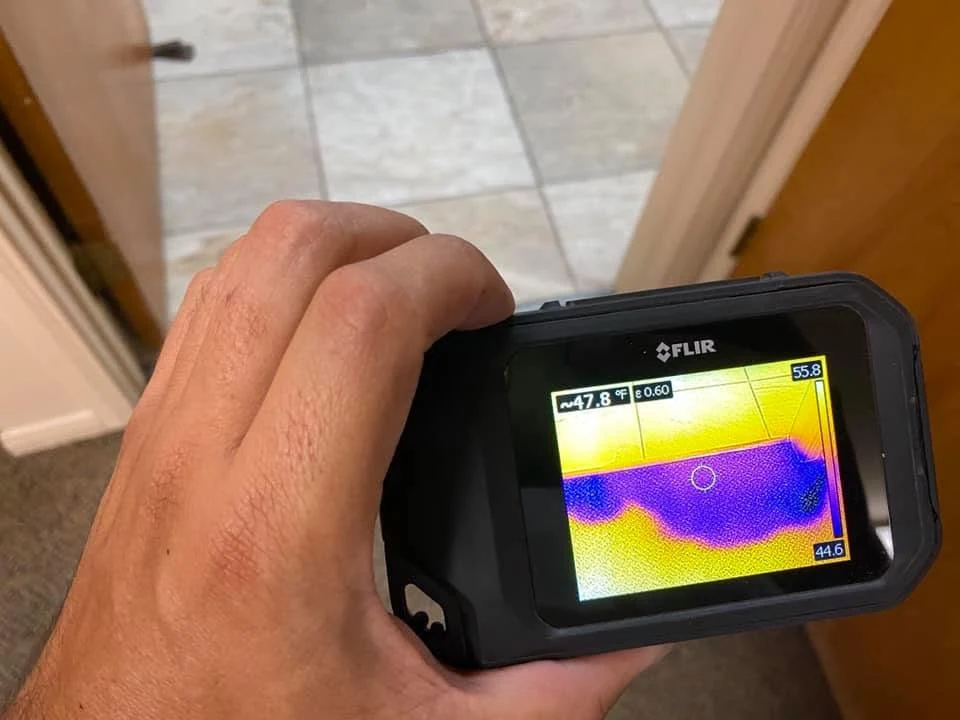
Does thermal imaging detect mold?
No. Thermal imaging shows temperature patterns that may help guide further moisture inspection. It does not directly detect mold.
Read Full FAQ →Does every mold inspection require sampling?
No. Whether testing or sampling is appropriate depends on the reason for the inspection and conditions found.
Learn About Mold Testing →Can a wall still be damp after a leak is fixed?
Yes. Moisture can remain inside drywall, wall cavities, framing, or other materials after the water source has been repaired.
Learn About Hidden Moisture →Is mold removal the same as mold remediation?
Mold removal usually refers to removal or cleaning of affected materials, while remediation can involve a broader project scope.
Learn About Remediation →Does all water-damaged drywall need removal?
Not automatically. Material condition, remaining moisture, damage, and project circumstances help determine whether drying or removal is appropriate.
Learn About Water Damage →Can an area be evaluated after mold remediation?
Yes. Post-remediation inspection and clearance testing are available when follow-up evaluation is appropriate.
Learn About Follow-Up Inspection →Explore Detailed Mold & Moisture Service Information
Each service page explains a specific part of mold, moisture, water-damage, or post-remediation work.
Four Questions to Ask When a Property Has Mold or Water Damage
A useful evaluation starts with the condition of the property, not with assuming every project needs the same service.
Consider leaks, plumbing, ceiling water, appliances, or other moisture sources.
Look beyond the visible stain to walls, cabinets, flooring, ceilings, and cavities.
Sampling may provide additional information depending on the reason for the evaluation.
Drying, removal, remediation, or follow-up should match the actual property condition.
Mold Testing & Removal Service Areas
Browse city-specific information for Los Angeles and additional Southern California service areas.
Questions About Our Mold & Moisture Resources
What topics does this resource center cover?
It covers mold testing, mold inspection, sampling, hidden moisture, water damage, leak detection, mold removal, remediation, post-remediation inspection, and related property concerns.
Where can I find answers to specific mold questions?
Visit the Mold Testing & Mold Removal FAQ page for direct answers about inspections, testing, moisture, remediation, water damage, and follow-up services.
Where can I see all available services?
Visit the Services page to browse all mold, moisture, water-damage, and post-remediation services.
How do I find service information for my city?
Visit the Service Areas page to browse the current Southern California city pages.
Need Help With Mold or Moisture?
Tell us what is happening at your property. Submit the form and our team will follow up about your mold testing, inspection, removal, remediation, or moisture concern.