Mold Detection in Los Angeles, CA
Professional evaluation for properties with suspected hidden mold, moisture damage, water intrusion, or conditions that may require further inspection and testing.
Mold Can Be Present Even When You Cannot See It
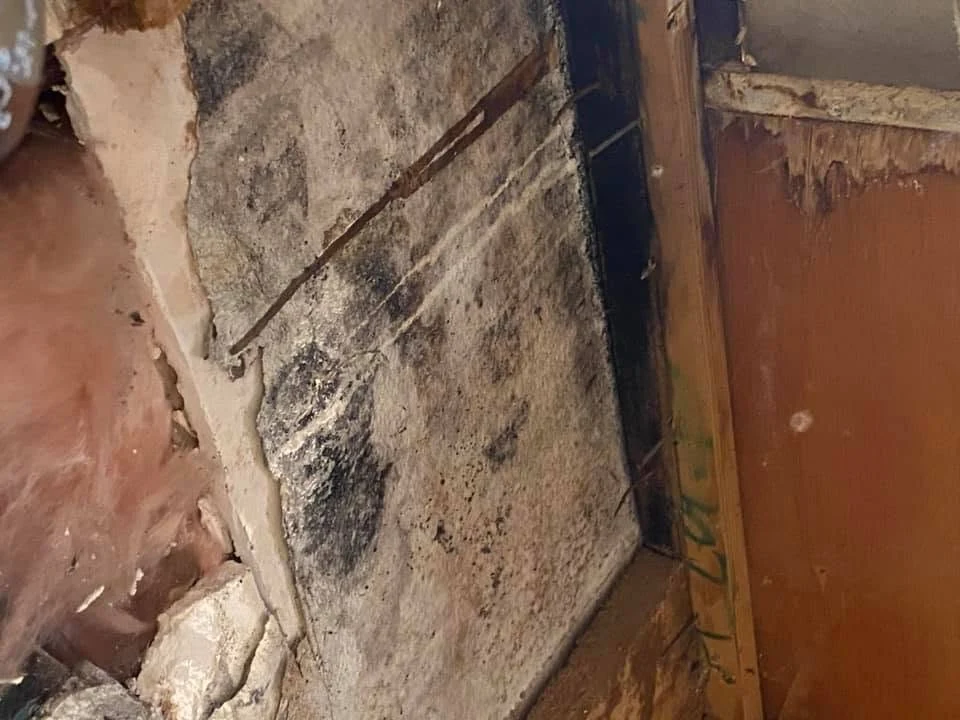
Mold detection involves looking beyond obvious surface growth. Water can travel behind walls, beneath cabinets, through ceiling cavities, and into other concealed building materials.
- Visible staining or discoloration
- Previous leaks or water intrusion
- Persistent dampness
- Suspected hidden wall or ceiling moisture
- Areas with unusual or musty odors
Conditions That May Point to Hidden Mold
No single sign confirms every mold problem. A combination of property history, visible conditions, and moisture evaluation can help determine which areas deserve closer attention.
Water marks, discoloration, peeling paint, or damaged drywall may indicate moisture within or behind the wall.
Staining or damaged ceiling material may be associated with plumbing, roof, or other moisture intrusion.
Moisture beneath sinks or around plumbing connections can affect cabinets, drywall, and nearby building materials.
Previous leaks, flooding, or water damage may leave concealed materials that require further evaluation.
Tools Used to Evaluate Suspected Mold Conditions
Mold detection is based on property conditions. Different tools may be used depending on the location of the concern and what is observed during the inspection.
Visual Inspection
Accessible areas are reviewed for visible mold, staining, deterioration, water damage, and other relevant conditions.
Moisture Meter Evaluation
Moisture meters can help identify building materials showing elevated moisture compared with surrounding areas.
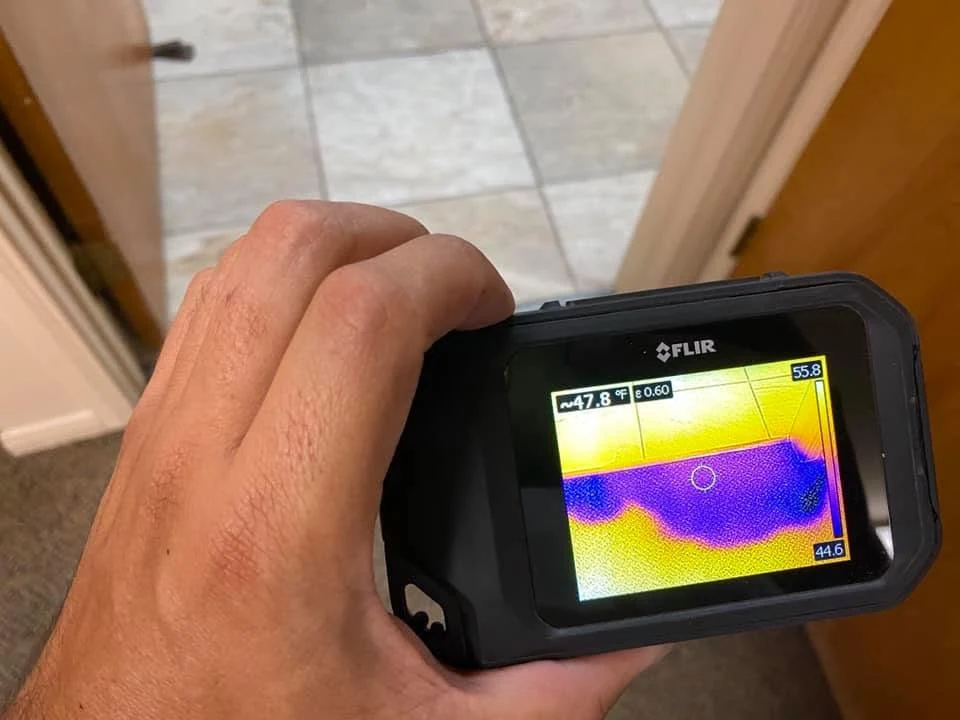
Thermal Imaging
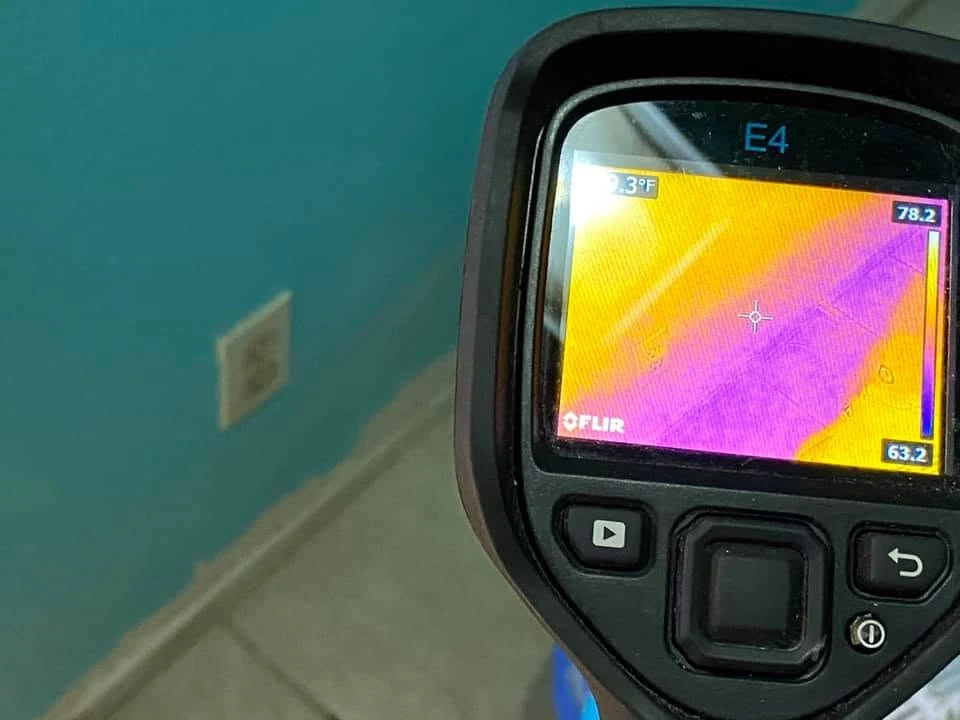
Thermal cameras may reveal temperature patterns that support closer investigation for possible moisture conditions.
Air Sampling
Indoor air sampling may be used when airborne conditions are relevant to the purpose of the mold evaluation.
Surface Sampling
Specific areas of suspected growth may be sampled when additional information is useful for the evaluation.
Targeted Evaluation
Findings can help identify areas that may require additional testing, repair, mold removal, or remediation.
Look Beyond the Surface
A wall may look dry on the surface while moisture remains in concealed building materials. Thermal imaging and moisture measurements can help narrow down areas that may require closer inspection.
- Walls and drywall
- Ceilings below plumbing or roof areas
- Cabinets and under-sink spaces
- Areas surrounding known leaks
- Previously water-damaged building materials
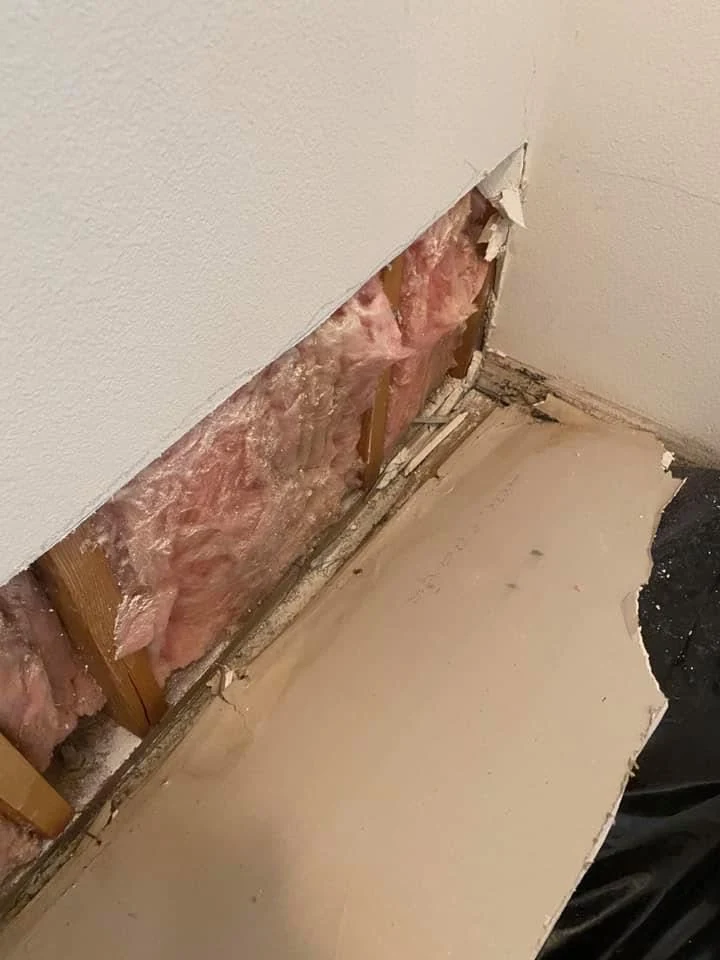
Hidden Mold Often Follows Hidden Moisture
Moisture inside a wall cavity can affect drywall, framing, insulation, and nearby materials. Detection focuses on identifying the conditions that justify additional investigation rather than relying only on what is visible from the room.
- Wall cavities affected by plumbing leaks
- Exterior walls exposed to water intrusion
- Areas behind cabinets and fixtures
- Ceilings beneath bathrooms or roof leaks
- Materials affected by repeated moisture
How Mold Detection Works
The process depends on the property and the reason for the evaluation, but it generally starts by understanding where moisture may be coming from.
Review leaks, water damage, odors, visible staining, and other property conditions.
Evaluate accessible areas for visible mold, water damage, and signs of moisture.
Use moisture tools where conditions suggest possible hidden water intrusion.
Air or surface sampling may be used when testing is appropriate for the evaluation.
Findings can guide additional testing, repair, cleanup, or remediation decisions.
Continue the Evaluation if More Information Is Needed
Mold detection may lead to additional inspection, sampling, moisture evaluation, or remediation depending on what is found at the property.
Mold Detection in Los Angeles & Surrounding Areas
Mold detection and moisture evaluation services are available throughout Los Angeles and surrounding Southern California communities.
Common Questions About Detecting Mold
How can hidden mold be detected?
The evaluation may combine visual inspection, property history, moisture measurements, thermal imaging, and testing when appropriate.
Can thermal imaging detect mold directly?
Thermal imaging does not identify mold by itself. It can help identify temperature patterns that may justify further investigation for moisture or water intrusion.
Can mold grow behind drywall?
Mold can develop on concealed materials when moisture conditions are present, including inside wall cavities and behind drywall.
Does mold detection include mold testing?
Testing may be included when air or surface sampling would provide useful information for the specific evaluation.
What happens if hidden mold is found?
The appropriate next step depends on the location, moisture source, affected materials, and extent of the condition. Additional remediation or evaluation may be recommended.
Do you provide mold removal after detection?
Yes. Mold removal and remediation services are available based on the conditions found at the property.
Suspect Hidden Mold in Your Property?
Call Mold Testing & Mold Removal in Los Angeles. We are available 24 hours a day, 7 days a week.
Need Help With Mold or Moisture?
Tell us what is happening at your property. Submit the form and our team will follow up about your mold testing, inspection, removal, remediation, or moisture concern.