Water Damage Restoration in Los Angeles, CA
Professional water damage restoration for residential and commercial properties affected by leaks, wet drywall, water-damaged cabinets, moisture intrusion, and related mold concerns.
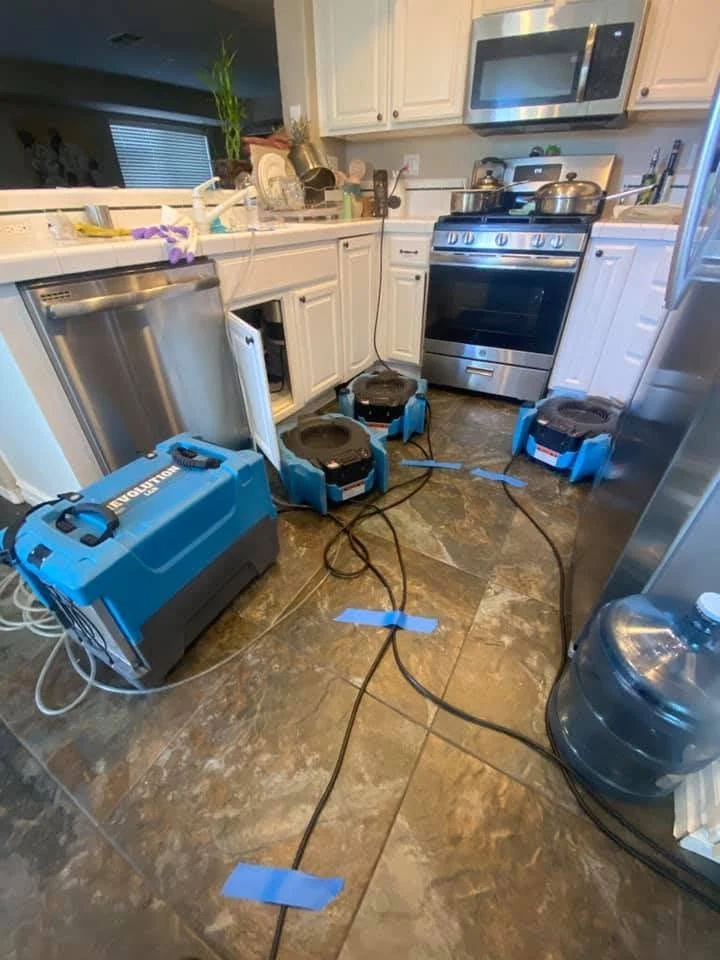
Water Can Affect More Than the Area You Can See
A leak or water event can affect drywall, wall cavities, ceilings, cabinets, flooring, and other materials beyond the immediately visible area. Moisture evaluation helps identify where restoration and drying work may be needed.
- Plumbing and appliance leaks
- Wet drywall and wall cavities
- Ceiling water damage
- Water-damaged cabinets
- Moisture connected to mold concerns
Areas That Often Require Closer Evaluation
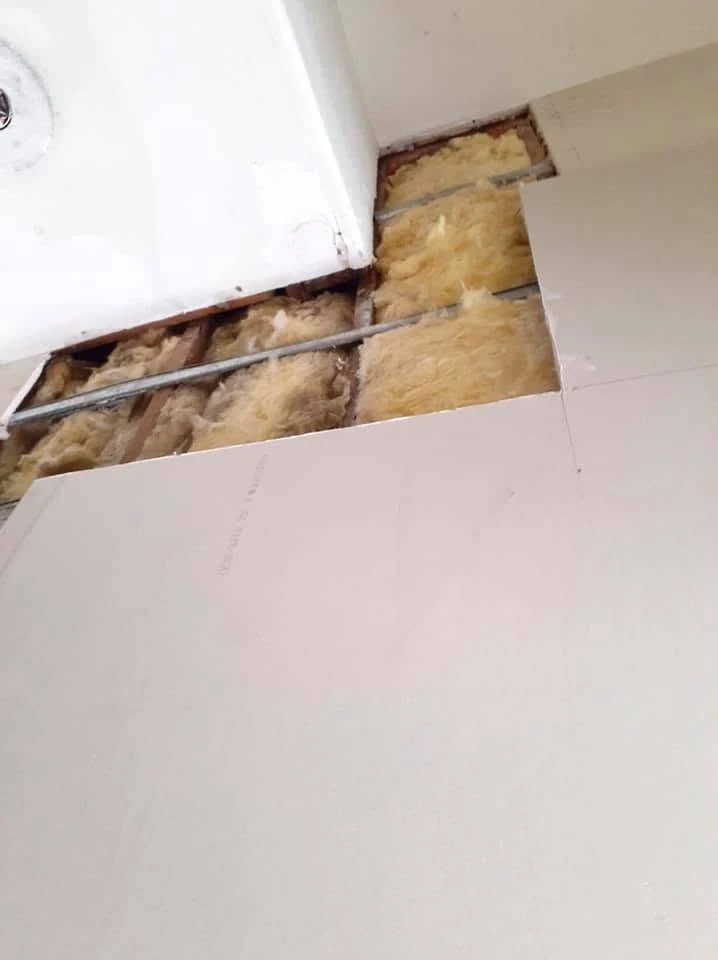
Water can move through building assemblies and affect materials outside the original leak location.
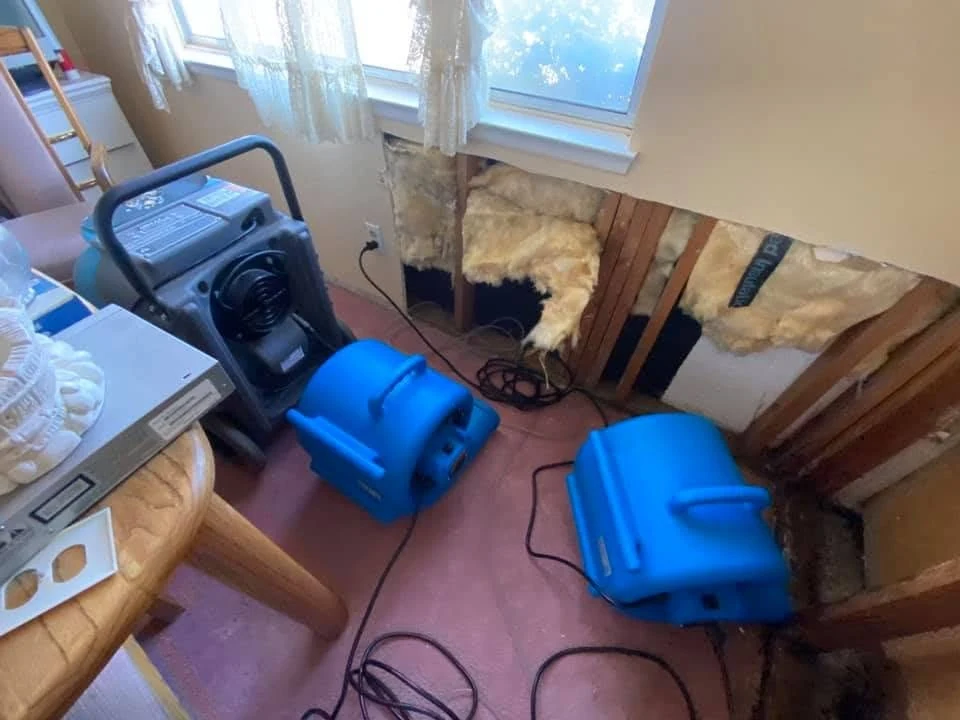
Water can spread through drywall and insulation, including areas inside wall cavities.
Plumbing or roof-related water intrusion can affect ceiling materials and adjacent walls.
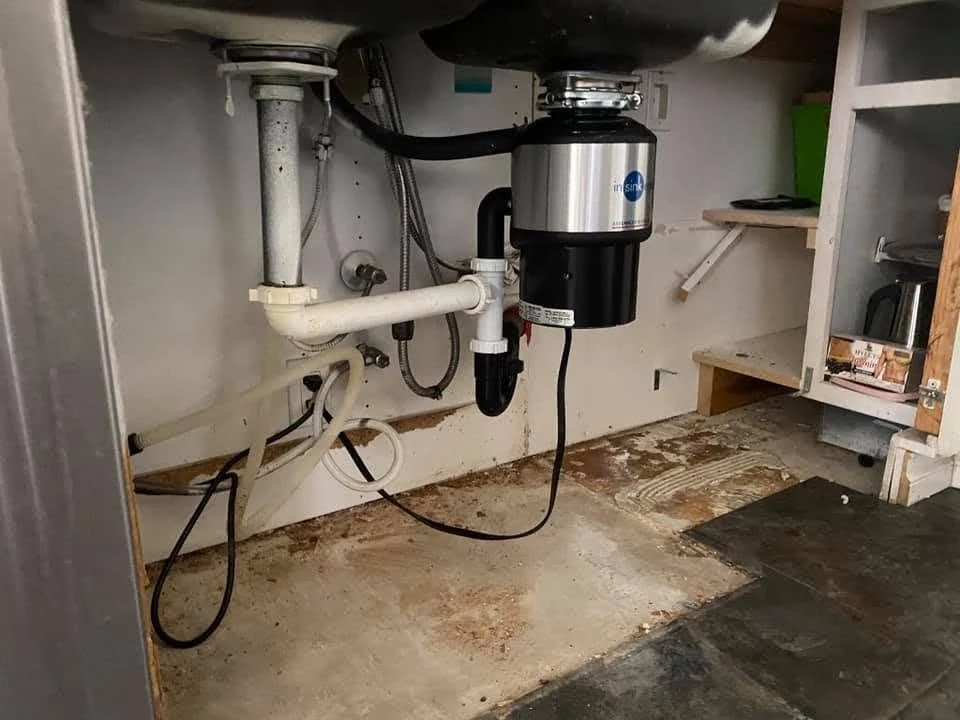
Sink, dishwasher, and plumbing leaks can affect cabinet bases, wall materials, and flooring.
Materials may remain damp after visible water has been removed from the property.
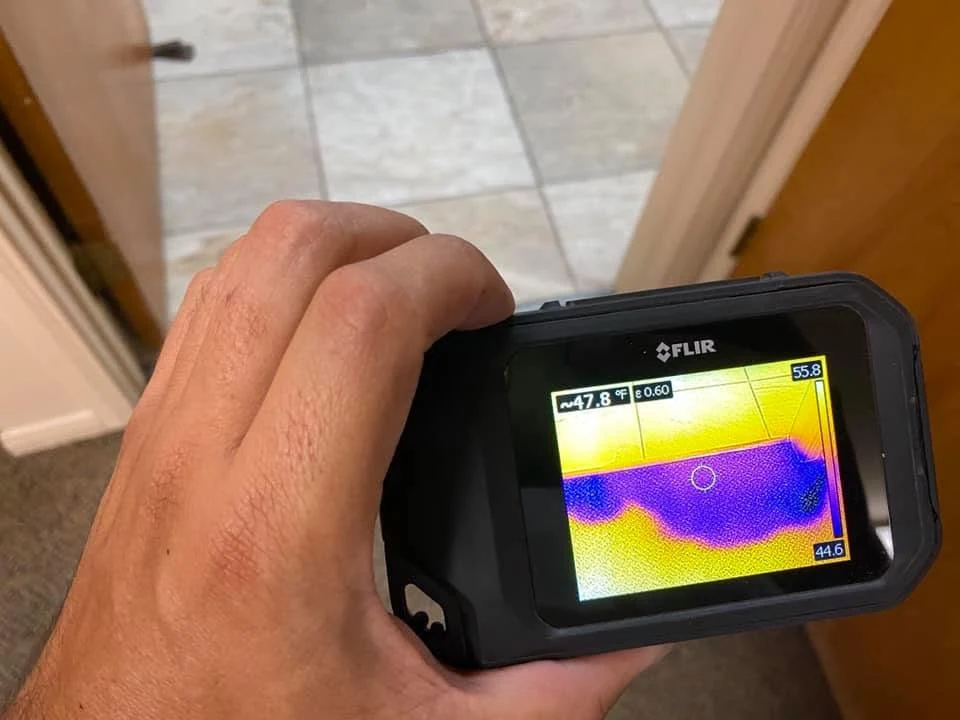
Identify Affected Materials Before Planning the Work
Visual inspection, moisture readings, and thermal imaging can help identify areas that may require closer inspection, drying, or material removal.
- Inspect visible water damage
- Check building materials with moisture meters
- Use thermal imaging where appropriate
- Review concealed areas connected to the leak
- Determine whether mold evaluation is warranted
The Scope Depends on the Water Damage and Materials Involved
Different water-damage projects require different responses. The work should reflect the location, affected materials, and remaining moisture conditions.
Property Inspection
Evaluate visible damage, wet materials, and the areas connected to the water source.
Moisture Detection
Identify building materials that may still contain elevated moisture after the original water event.
Structural Drying
Drying equipment may be used to reduce moisture in affected building areas when appropriate.
Material Removal
Severely damaged or unsuitable building materials may require removal based on their condition.
Detailed Cleaning
Affected work areas may require cleaning after damaged materials are removed.
Mold Evaluation
Mold inspection or testing may be appropriate when materials remained wet or mold-like growth is observed.
Damp Building Materials May Require Active Drying
Drying equipment can be used to help reduce moisture in affected materials and building spaces. Equipment needs depend on the location and extent of water damage.
- Wet walls and drywall
- Wall cavities
- Cabinet and kitchen areas
- Ceiling and structural materials
- Other damp building components
Persistent Moisture Can Lead to Mold Concerns
Water-damaged materials that remain damp can develop conditions where mold becomes a concern. If visible growth, staining, or suspected hidden mold is present, additional mold evaluation may be appropriate.
- Visible mold-like growth
- Water-damaged drywall
- Hidden wall-cavity moisture
- Recurring leaks or dampness
- Previously flooded areas
From Water Damage Evaluation to Drying & Cleanup
Every project is different, but the restoration process generally begins by identifying the source, affected areas, and moisture conditions.
Review the water event, affected rooms, and visible property damage.
Identify wet materials and concealed areas requiring closer evaluation.
Determine what can be dried and what materials may require removal.
Use project-appropriate drying and cleanup methods in affected areas.
Evaluate remaining moisture conditions and determine whether additional mold inspection is appropriate.
Services Connected to Water & Moisture Damage
Water damage restoration can overlap with leak detection, moisture evaluation, mold inspection, and mold remediation.
Water Damage Restoration in Los Angeles & Surrounding Areas
Water damage, moisture evaluation, and related mold services are available throughout Los Angeles and surrounding Southern California communities.
Common Questions About Water & Moisture Damage
What does water damage restoration involve?
The scope depends on the property and may include inspection, moisture detection, structural drying, removal of damaged materials, cleanup, and related mold evaluation.
Can water be hidden behind drywall?
Yes. Water can affect wall cavities and materials beyond the visible surface, which is why moisture evaluation can be useful.
Does wet drywall always need to be removed?
Not always. The appropriate response depends on the condition of the material, extent of water exposure, and whether it can be adequately dried.
Can a plumbing leak lead to mold?
Persistent moisture from a plumbing leak can create conditions where mold becomes a concern, especially when affected materials remain damp.
Do you check moisture inside walls?
Moisture meters, thermal imaging, and targeted inspection may be used to evaluate suspected concealed moisture depending on property conditions.
Do you also provide mold remediation?
Yes. Mold inspection, testing, removal, and remediation services are available when mold-related conditions are identified.
Need Help With Mold or Moisture?
Tell us what is happening at your property. Submit the form and our team will follow up about your mold testing, inspection, removal, remediation, or moisture concern.