Mold Remediation in Los Angeles, CA
Professional mold remediation for residential and commercial properties with mold-affected materials, hidden moisture, water damage, and areas requiring controlled cleanup.
A Structured Approach to Mold-Affected Areas
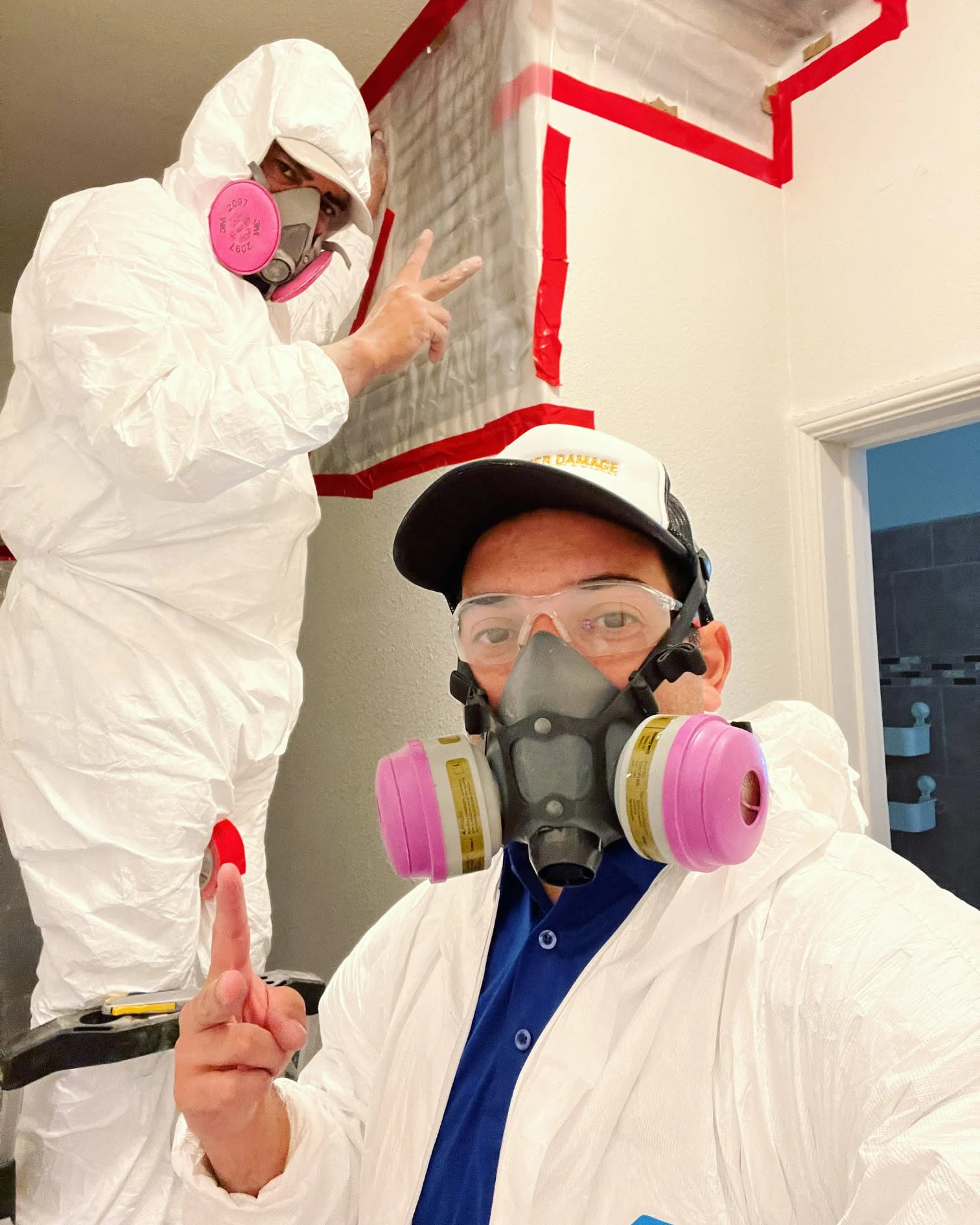
Mold remediation is the broader process of addressing affected materials and the conditions connected to the mold problem. Depending on the property, the work may involve containment, material removal, HEPA cleaning, air filtration, and moisture evaluation.
- Evaluate the affected area
- Review moisture and water-damage conditions
- Establish containment when appropriate
- Remove affected materials when required
- Clean and evaluate the completed work
Mold Remediation Depends on the Extent and Location of the Problem
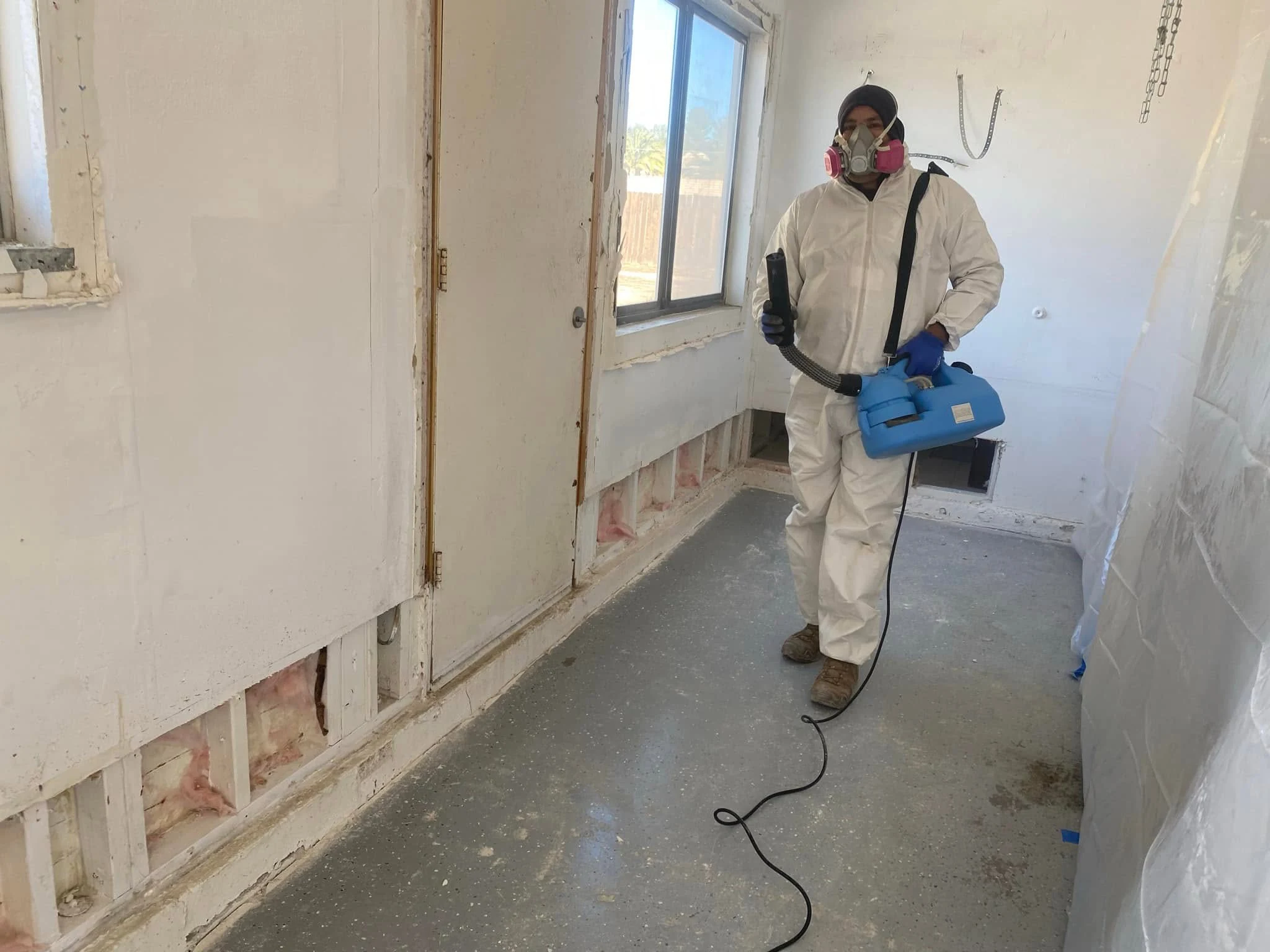
The appropriate remediation plan depends on the materials involved, moisture source, extent of affected areas, and what is found during inspection.
Mold is present on drywall, ceilings, cabinets, framing, or other building materials.
Inspection identifies mold or moisture inside wall cavities or other concealed areas.
Building materials have been affected by leaks, flooding, or prolonged moisture.
Mold repeatedly returns because an underlying moisture condition remains unresolved.
Define and Control the Remediation Area
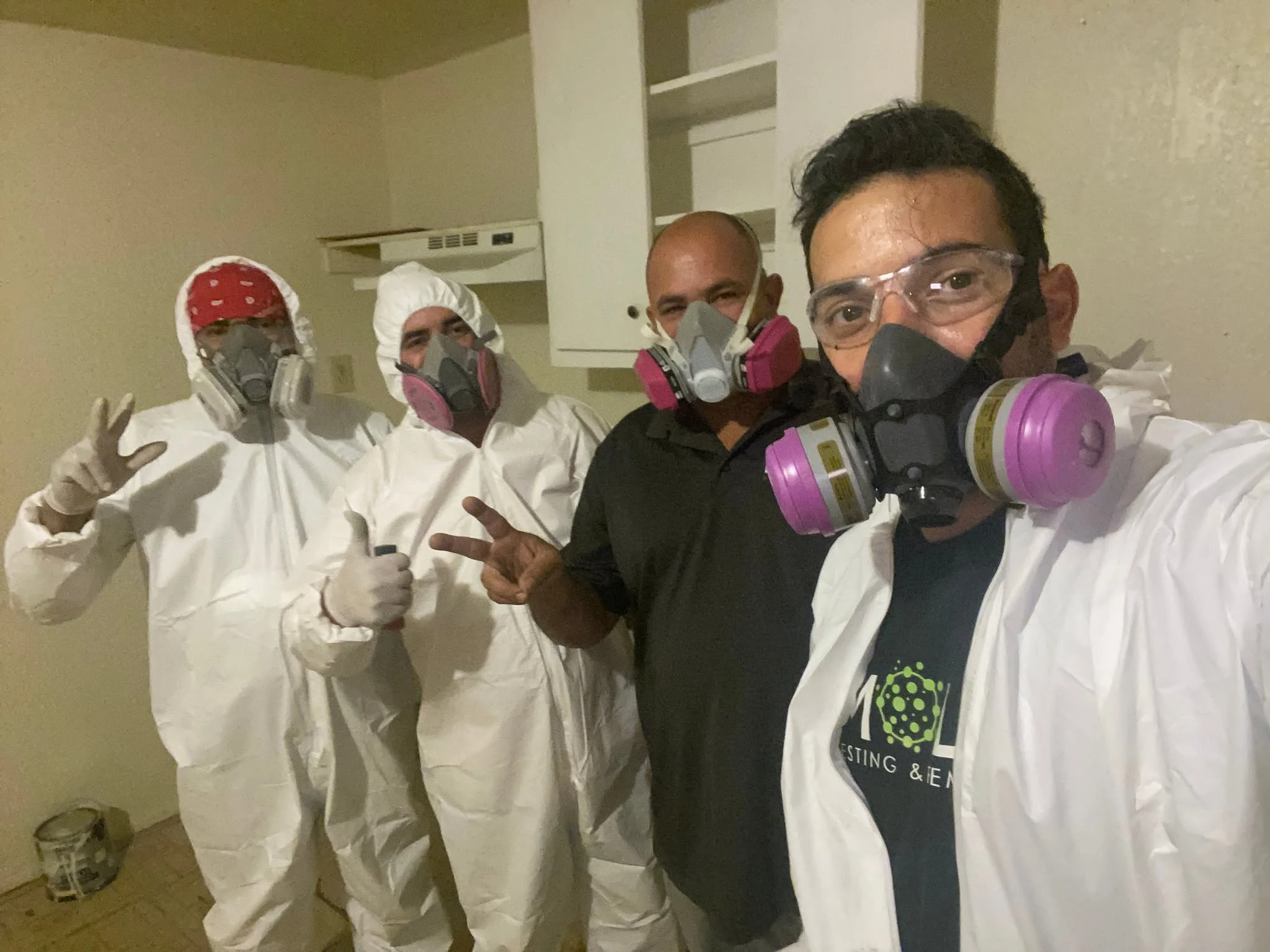
Depending on the project, containment can help isolate the work area while affected materials are removed or cleaned. The exact approach depends on site conditions and project scope.
- Identify the affected work area
- Separate work areas when appropriate
- Manage debris from removed materials
- Use appropriate protective equipment
- Support controlled cleanup procedures
Mold Remediation Can Involve Multiple Cleanup Methods
No single treatment is appropriate for every property. The remediation approach depends on affected materials and site conditions.
Containment
Work areas may be isolated to help keep remediation activities focused on the affected space.
Material Removal
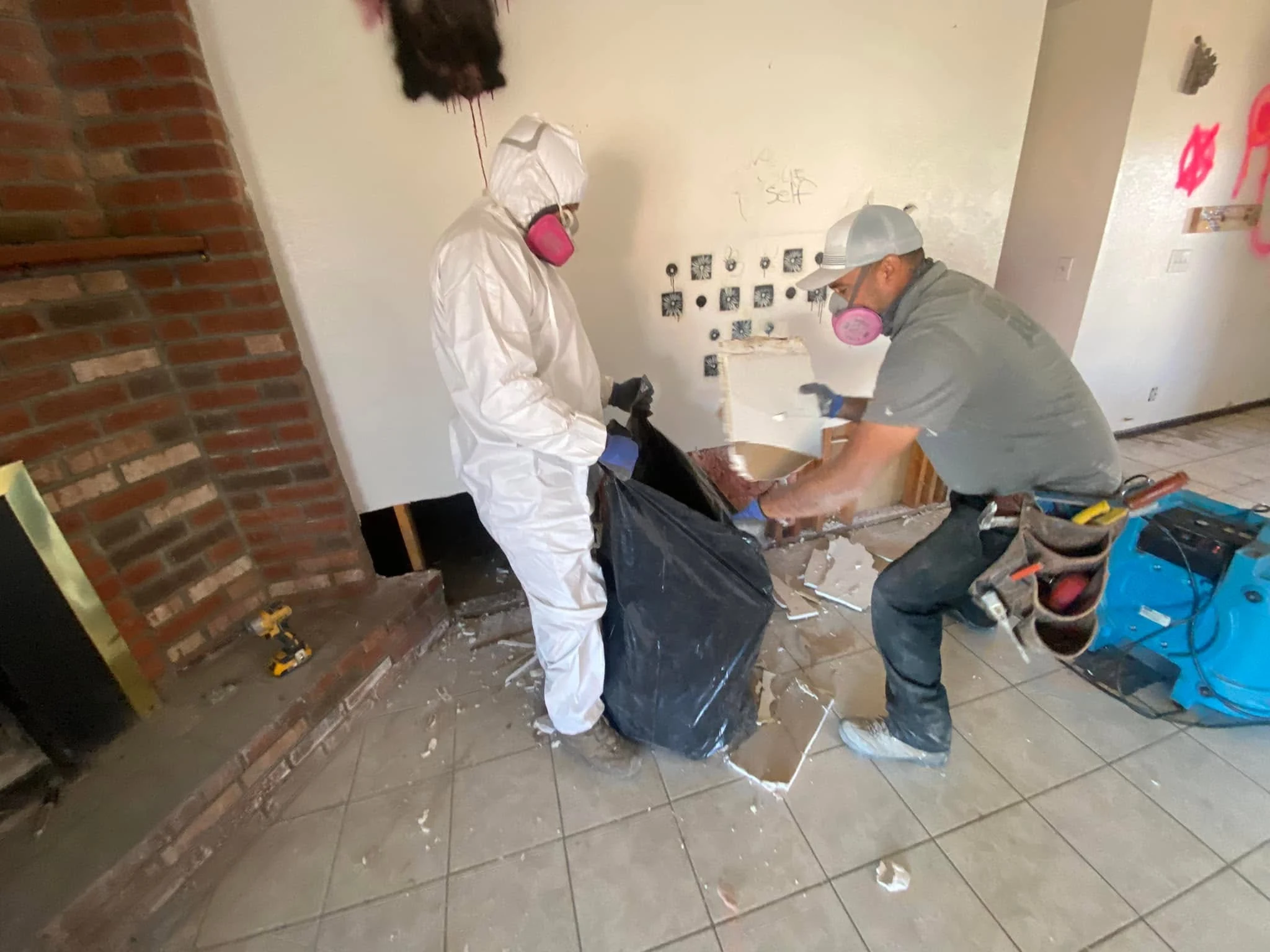
Mold-affected drywall and other damaged porous materials may require controlled removal.
HEPA Vacuuming
HEPA vacuuming may be used as part of detailed cleaning of appropriate surfaces.
Air Filtration
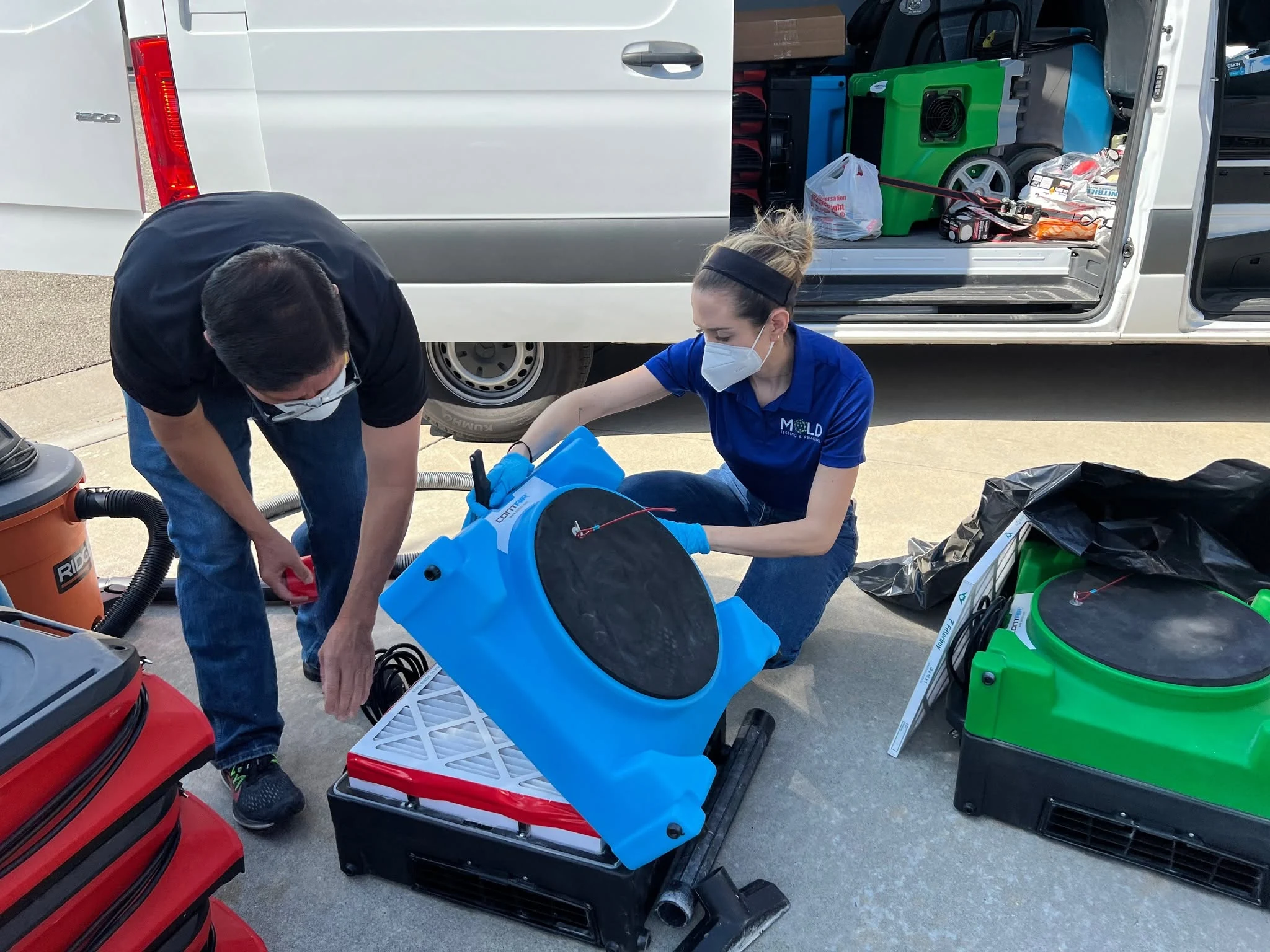
Air scrubber equipment may be used during certain projects to support air management within the work area.
Surface Cleaning
Appropriate remaining surfaces may be cleaned or treated based on material type and project conditions.
Follow-Up Evaluation
Post-remediation inspection or clearance testing may be considered after certain projects.
Remediation May Require Removing Damaged Materials
Mold can affect porous and water-damaged building materials. When cleaning is not appropriate for the material or condition, removal may be part of the remediation plan.
- Mold-affected drywall
- Damaged ceiling materials
- Cabinet materials exposed to leaks
- Contaminated wall-cavity materials
- Other water-damaged porous materials
Specialized Equipment Supports the Remediation Process
Certain remediation projects may involve HEPA filtration, vacuuming, and detailed surface cleaning. Equipment and methods are selected based on the work area and remediation scope.
- Air scrubber equipment
- HEPA vacuuming
- Detailed surface cleaning
- Post-removal work-area cleanup
- Project-specific treatment methods
Remediation Should Consider Why the Mold Developed
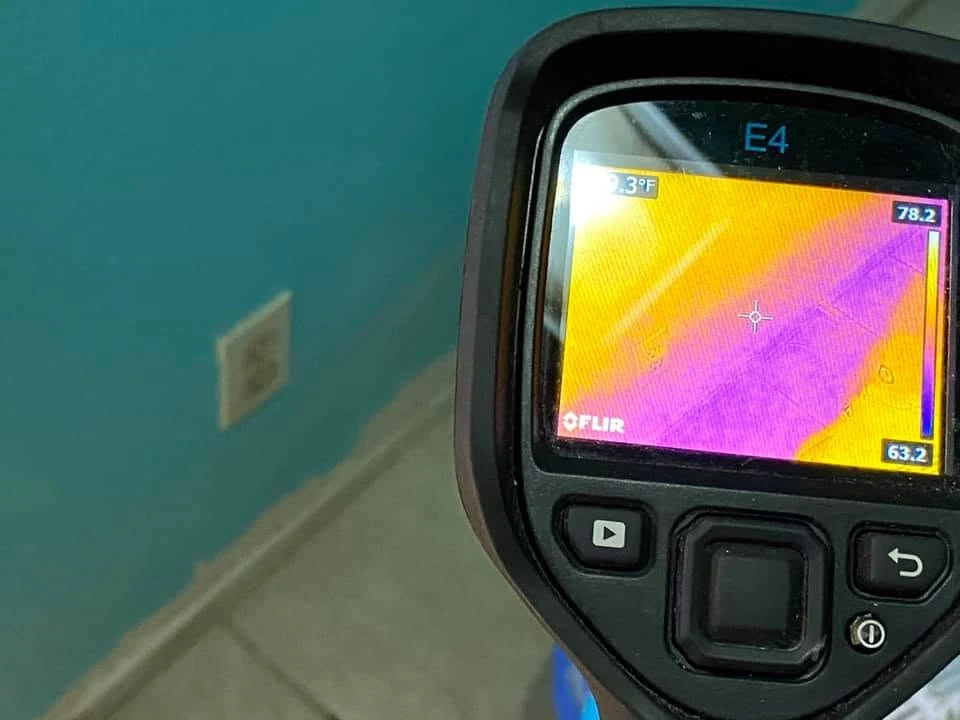
Mold conditions are often connected to water intrusion, plumbing leaks, roof leaks, or materials that remained damp. Understanding the moisture source is an important part of the overall property evaluation.
- Plumbing leaks
- Roof and ceiling water intrusion
- Hidden moisture behind walls
- Wet cabinets and flooring
- Previous flooding or water damage
How a Mold Remediation Project Can Progress
The exact scope varies by property, but remediation generally follows a structured sequence based on affected materials and site conditions.
Review visible mold, water damage, moisture conditions, and affected materials.
Define the remediation area and establish containment when appropriate.
Remove materials that require controlled demolition or disposal.
Perform HEPA cleaning, air filtration, and surface treatment based on the project.
Evaluate the completed work and determine whether follow-up inspection or testing is appropriate.
Follow-Up Inspection Can Help Evaluate the Completed Work
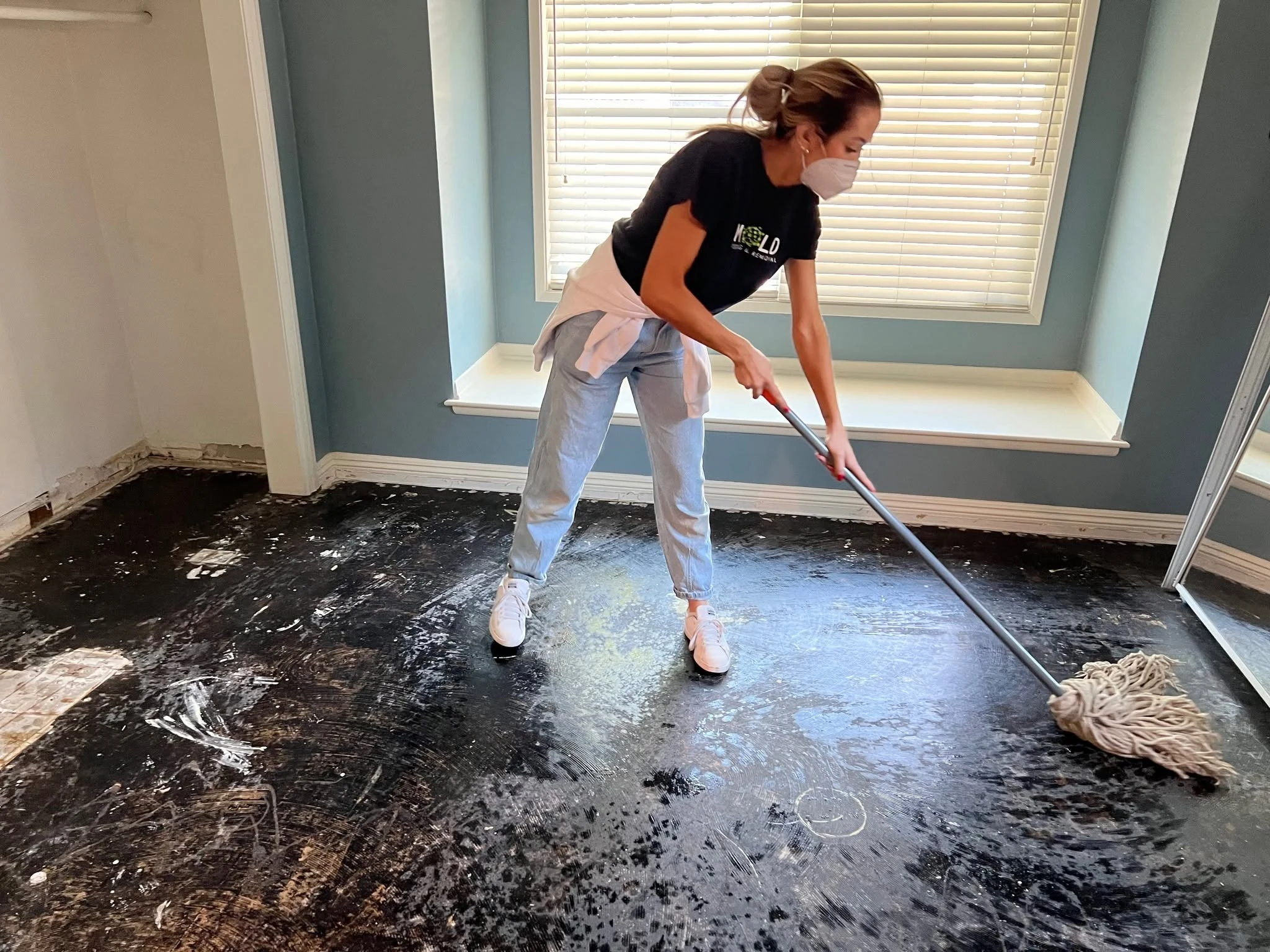
Some projects may benefit from a post-remediation inspection or clearance testing after cleanup is complete. These are separate services that can be used when appropriate for the project.
- Review previously affected areas
- Evaluate visible work-area conditions
- Check for remaining moisture concerns
- Consider clearance testing when appropriate
- Document follow-up observations
Services Connected to Mold Remediation
Remediation may be connected to removal, inspection, moisture evaluation, and follow-up testing depending on project conditions.
Mold Remediation in Los Angeles & Surrounding Areas
Mold remediation services are available throughout Los Angeles and surrounding Southern California communities.
Common Questions About Mold Remediation
What is mold remediation?
Mold remediation is the broader process of addressing mold-affected areas. Depending on the project, it may include containment, removal of affected materials, HEPA cleaning, air filtration, and follow-up evaluation.
What is the difference between mold removal and mold remediation?
Mold removal focuses on removing or cleaning affected materials. Remediation refers to the larger process of managing the affected area, including containment, removal, cleaning, and related work.
Does drywall need to be removed during remediation?
It depends on the material condition, moisture damage, and extent of mold involvement. Some affected porous materials may require removal.
Is containment always required?
The containment approach depends on the project location, size, affected materials, and remediation scope.
Should moisture be addressed before remediation is complete?
The source of moisture should be considered as part of the overall project because unresolved water intrusion can contribute to recurring mold conditions.
Do you offer testing after remediation?
Yes. Post-remediation inspection and clearance testing are available as separate services when appropriate for the project.
Need Help With Mold or Moisture?
Tell us what is happening at your property. Submit the form and our team will follow up about your mold testing, inspection, removal, remediation, or moisture concern.