Mold Air Sampling in Los Angeles, CA
Professional indoor air sampling for residential and commercial properties where mold, water damage, or hidden moisture conditions require further evaluation.
Air Sampling Can Add Information to a Mold Evaluation
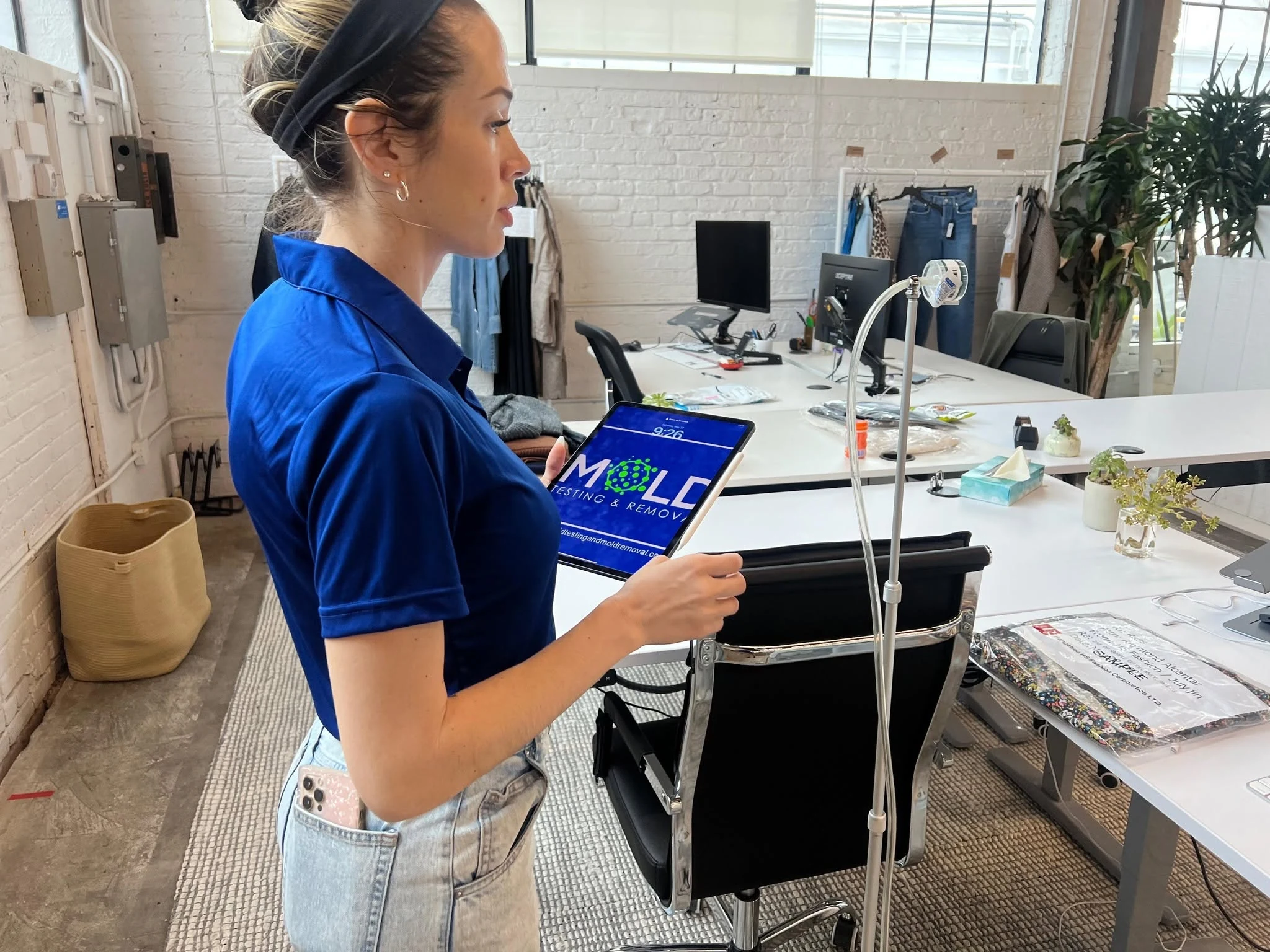
Mold air sampling may be useful when indoor airborne conditions are part of a broader mold inspection. Sampling is most useful when combined with property observations, moisture evaluation, and the reason the property is being tested.
- Indoor air sample collection
- Sampling locations based on property conditions
- Visual inspection of areas of concern
- Moisture evaluation where appropriate
- Review of findings and next-step considerations
Sampling Depends on the Property and the Reason for Testing
Air sampling is not required in every mold-related situation. Inspection findings and the purpose of the evaluation help determine whether collecting air samples is appropriate.
There is concern about mold even though obvious visible growth is limited or not easily accessible.
The property has experienced plumbing leaks, roof leaks, flooding, or another moisture event.
Airborne mold conditions are part of the reason the property is being evaluated.
Sampling may be considered as part of certain post-remediation or follow-up property evaluations.
Air Samples Make More Sense When the Property Is Evaluated Too
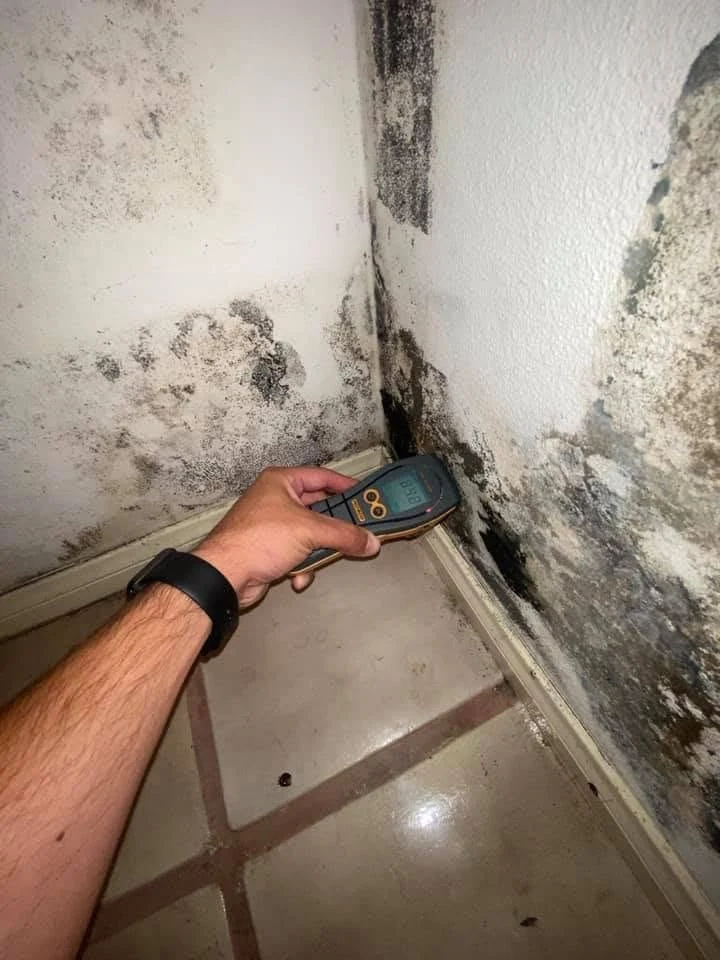
Air sampling by itself does not locate the source of moisture or explain what is happening inside walls or other building materials. Property inspection helps provide context for the sampling process.
- Review visible mold or staining
- Check areas affected by water damage
- Evaluate moisture in building materials
- Identify potential hidden moisture sources
- Select sampling locations based on site conditions
What Mold Air Sampling Can and Cannot Do
Air sampling can provide useful information about airborne conditions, but it should not be treated as a substitute for evaluating moisture, water damage, visible mold, and other property conditions.
Collect Indoor Air Samples
Samples can be collected from selected indoor locations when airborne mold conditions are relevant to the evaluation.
Support a Broader Inspection
Sampling results are more meaningful when considered alongside visual inspection and moisture-related findings.
Guide Further Evaluation
Information from sampling and inspection can help identify whether additional testing or property investigation is appropriate.
Does Not Locate Every Source
An air sample alone cannot identify the exact location of every moisture or mold condition inside a building.
Does Not Replace Moisture Detection
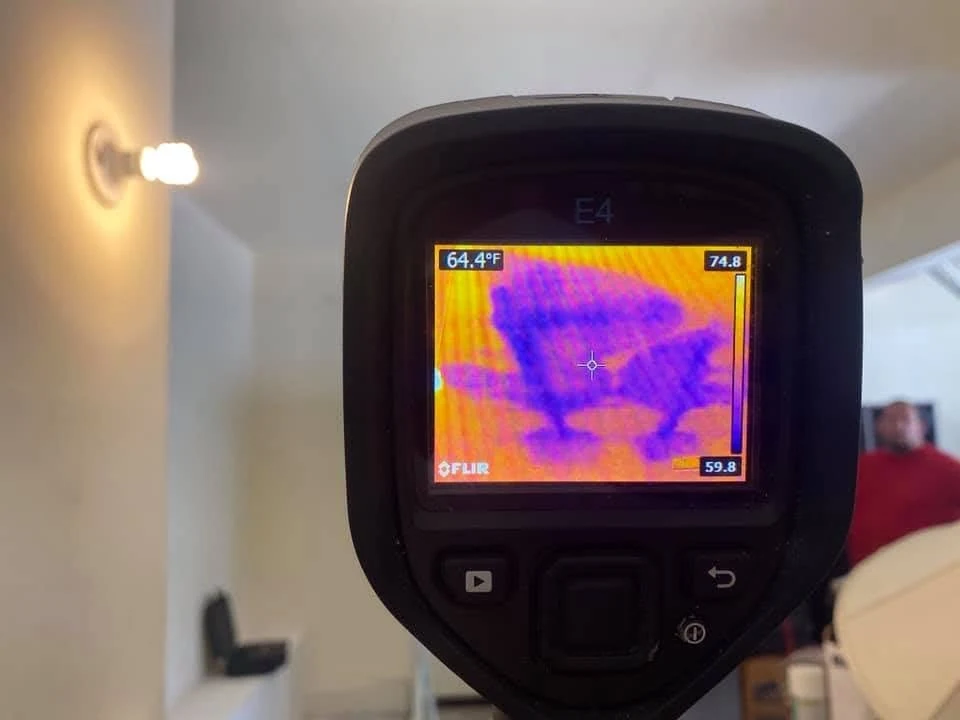
Moisture meters and thermal imaging may still be needed to evaluate damp building materials and suspected water intrusion.
May Lead to Next Steps
Depending on the overall findings, additional inspection, mold removal, or remediation may be considered.
Mold Conditions Are Often Connected to Water Intrusion
Indoor airborne concerns may be linked to a moisture problem somewhere in the property. Evaluating damp or water-damaged materials can help identify areas that require closer inspection.
- Plumbing leaks
- Roof or ceiling leaks
- Wet drywall or wall cavities
- Moisture under sinks and cabinets
- Previously flooded materials
What to Expect During Mold Air Sampling
The exact scope varies by property, but the process typically combines site evaluation with targeted sampling where appropriate.
Review the reason for testing, property history, and known moisture or water damage.
Evaluate accessible areas for mold, staining, water damage, and moisture conditions.
Determine appropriate sampling locations based on the purpose of the evaluation.
Perform the selected indoor air sampling based on the evaluation plan.
Consider the sampling information together with inspection and moisture findings.
Mold Air Sampling for Different Property Types
Air sampling may be used in residential and commercial settings when indoor mold conditions require additional evaluation.
- Homes and condominiums
- Apartments and rental properties
- Property management locations
- Offices and commercial buildings
- Properties affected by previous water damage
Additional Mold & Moisture Evaluation Services
Air sampling is often one part of a broader mold or moisture investigation.
Mold Air Sampling in Los Angeles & Surrounding Areas
Air sampling and mold evaluation services are available throughout Los Angeles and surrounding Southern California communities.
Common Questions About Mold Air Sampling
What is mold air sampling?
Mold air sampling involves collecting indoor air samples when airborne mold conditions are relevant to a property evaluation.
Is air sampling always necessary for mold?
No. Whether sampling is appropriate depends on the purpose of the evaluation and the conditions found during inspection.
Can air sampling identify hidden mold?
Air sampling may provide useful information, but hidden mold is better evaluated together with moisture detection, visual inspection, and other site conditions.
Do you inspect before collecting air samples?
Property inspection and moisture evaluation can provide important context for deciding where and whether air samples should be collected.
Can air sampling be used after mold remediation?
Sampling may be considered as part of certain post-remediation evaluations depending on the project and testing objectives.
Do you also offer mold testing and remediation?
Yes. Mold testing, inspection, removal, and remediation services are available based on property conditions.
Need Help With Mold or Moisture?
Tell us what is happening at your property. Submit the form and our team will follow up about your mold testing, inspection, removal, remediation, or moisture concern.