Mold Inspection in Los Angeles, CA
Professional mold inspection for homes, rentals, commercial properties, and buildings with visible mold, water damage, hidden moisture, or suspected indoor mold conditions.
Find Out What Is Happening Before Deciding What to Do
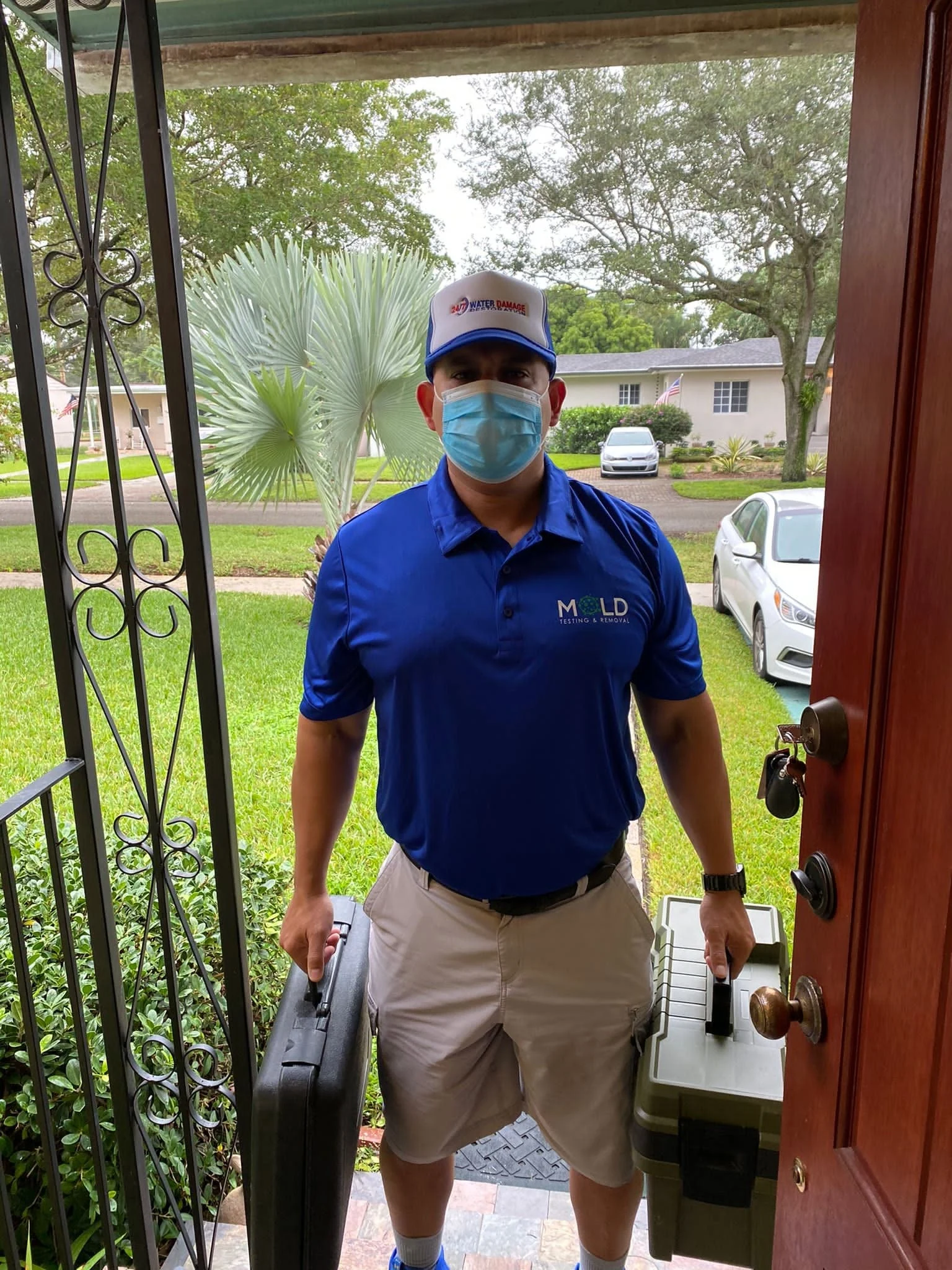
A mold inspection is designed to evaluate the property, identify visible signs of mold or moisture, and determine which areas may require further testing or remediation.
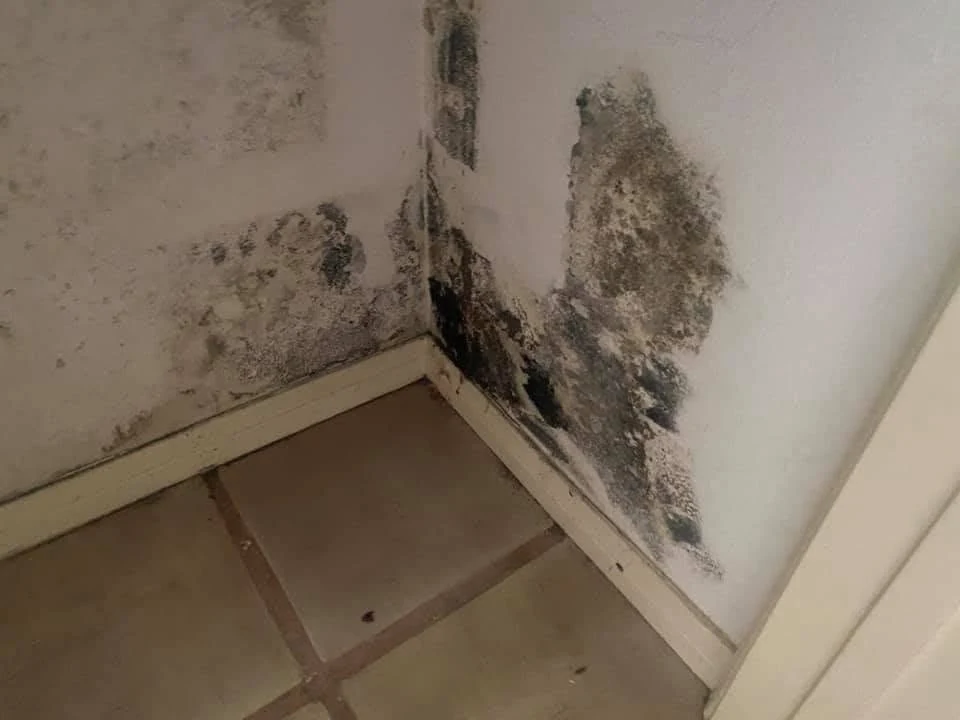
- Visible mold and discoloration
- Water-damaged walls and ceilings
- Moisture around plumbing and cabinets
- Suspected hidden mold inside wall cavities
- Areas affected by previous leaks or flooding
When Should You Consider a Mold Inspection?
Mold may be obvious in some properties and difficult to detect in others. These conditions often justify a closer evaluation.
Dark spots, staining, surface growth, or unusual discoloration appears on building materials.
A roof leak, plumbing problem, flooding event, or water intrusion affected the property.
Walls, ceilings, cabinets, or other materials remain damp or show signs of repeated moisture.
Persistent odors may justify further inspection when no obvious source is immediately visible.
What a Mold Inspection Can Include
The exact scope depends on the property, its history, and the areas of concern. Inspection services may combine several evaluation methods.
Visual Inspection
Review accessible building materials for visible mold, staining, water damage, and other conditions that may require attention.
Moisture Measurements
Moisture meters can help evaluate walls and other materials where water intrusion or dampness may be present.
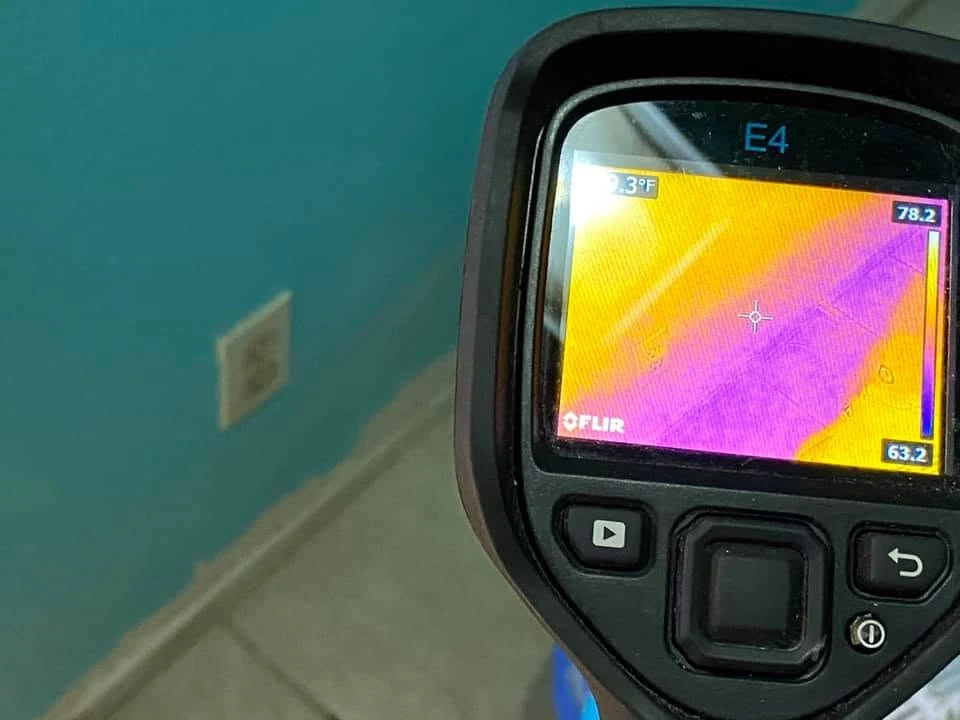
Thermal Imaging
Thermal imaging may help identify temperature patterns that support further investigation for possible moisture.
Air Sampling
Air samples may be collected when indoor airborne mold conditions are part of the evaluation.
Surface Sampling
Suspected mold growth may be sampled when additional information about a specific area is useful.
Recommended Next Steps
Findings can help determine whether additional testing, moisture correction, mold removal, or remediation should be considered.
Mold Problems Often Begin With Moisture
Mold can develop in concealed areas when building materials remain damp. During an inspection, moisture conditions can be evaluated alongside visible signs of mold and water damage.
- Inside wall cavities
- Behind cabinets and beneath sinks
- Around plumbing fixtures
- Ceilings affected by leaks
- Areas with previous water intrusion
What to Expect During a Mold Inspection
The exact process varies by property, but the goal is to understand the site conditions before deciding whether testing or remediation is appropriate.
Review visible concerns, previous leaks, water events, and the property’s history.
Examine accessible areas for visible mold, staining, water damage, and related conditions.
Check areas where damp building materials or hidden water intrusion may be contributing to the problem.
Air or surface samples may be collected when they provide useful information for the evaluation.
Discuss observations and whether further testing, remediation, or additional evaluation may be needed.
Visible Damage May Only Be Part of the Problem
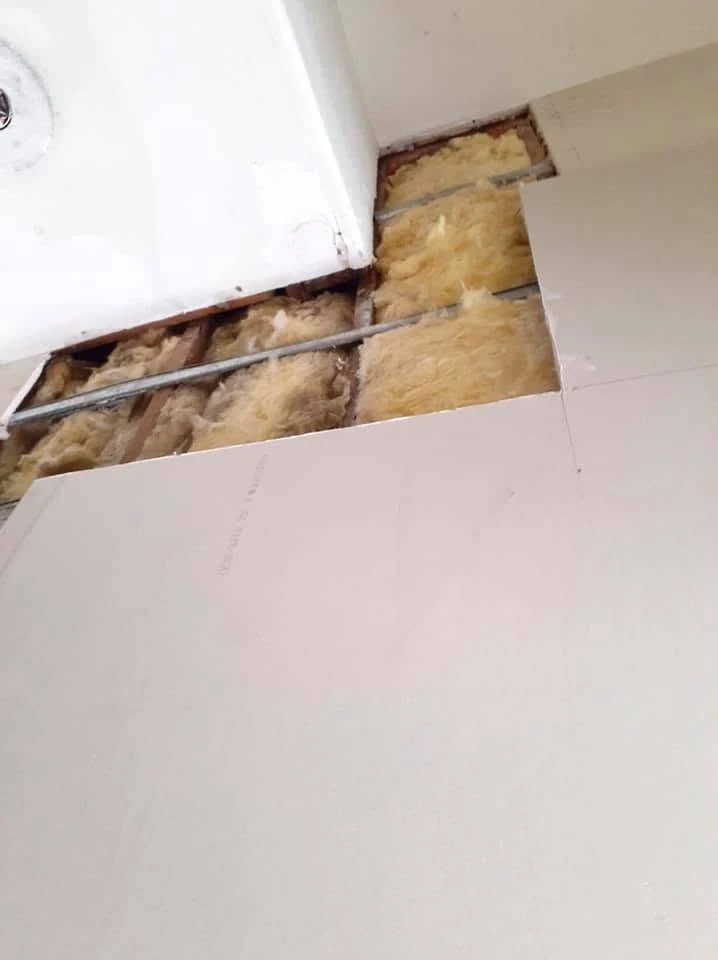
Water can enter wall cavities through roof leaks, plumbing problems, exterior intrusion, and other sources. When moisture is concealed, a professional inspection can help determine where closer evaluation may be warranted.
- Walls showing staining or bubbling paint
- Ceiling discoloration after a leak
- Cabinet areas affected by plumbing problems
- Rooms with persistent dampness
- Previously repaired water-damaged areas
Services That May Follow a Mold Inspection
Inspection findings may point to additional testing, moisture evaluation, or remediation depending on what is observed at the property.
Mold Inspection in Los Angeles & Surrounding Areas
Mold inspection services are available throughout Los Angeles and multiple surrounding Southern California communities.
Common Questions About Mold Inspections
What does a mold inspection look for?
A mold inspection typically focuses on visible mold, water damage, elevated moisture, and areas where hidden mold or moisture may be present.
Do all mold inspections require testing?
No. Testing depends on the purpose of the evaluation and what is observed at the property. Some situations may benefit from air or surface sampling, while others may not.
Can you inspect for mold behind walls?
Moisture meters, thermal imaging, visible building conditions, and property history can help identify areas that may deserve closer investigation for hidden moisture or mold.
Should I get an inspection after water damage?
An inspection may be useful when water has affected walls, ceilings, cabinets, flooring, or other materials and there is concern about remaining moisture or mold development.
What happens if mold is found?
The next step depends on the affected area, moisture conditions, and extent of material involvement. Additional testing, cleanup, or mold remediation may be considered.
Do you also provide mold removal?
Yes. Mold removal and remediation services are available based on the conditions found at the property.
Need a Mold Inspection in Los Angeles?
Call Mold Testing & Mold Removal. We are available 24 hours a day, 7 days a week.
Need Help With Mold or Moisture?
Tell us what is happening at your property. Submit the form and our team will follow up about your mold testing, inspection, removal, remediation, or moisture concern.