Mold Sampling in Los Angeles, CA
Professional mold sampling for properties with suspected surface growth, water damage, hidden moisture, or other mold-related concerns that require additional evaluation.
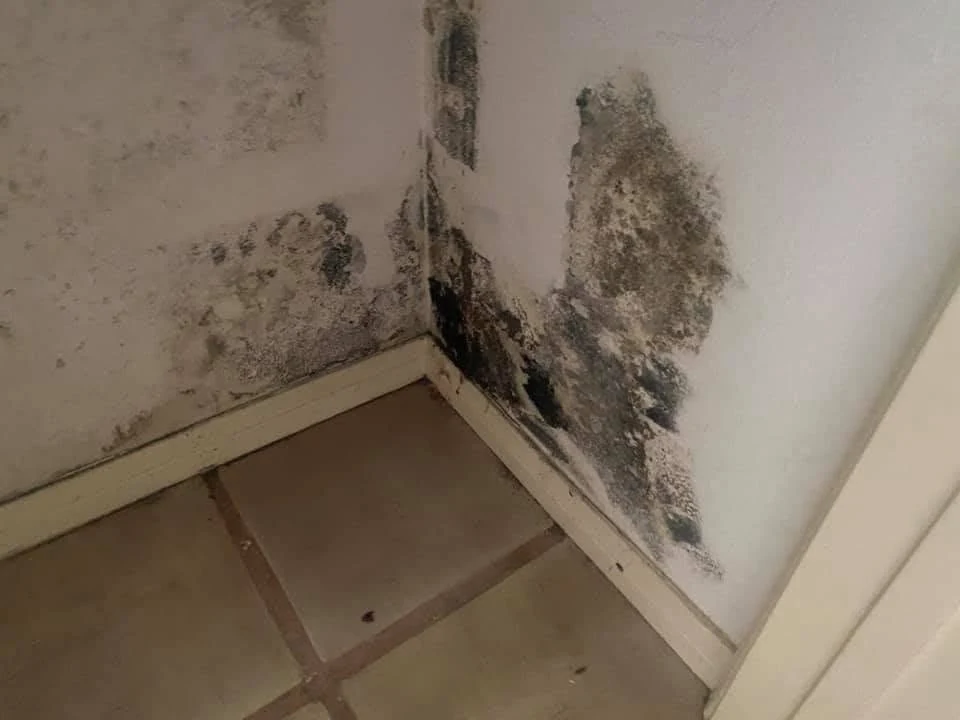
Sample Specific Areas When More Information Is Needed
Mold sampling can be used during a property evaluation when a specific area, material, or suspected growth requires closer examination. The need for sampling depends on the purpose of the inspection and what is observed at the property.
- Suspected visible mold growth
- Stained or discolored building materials
- Areas affected by previous water damage
- Surface conditions requiring closer evaluation
- Follow-up mold testing when appropriate
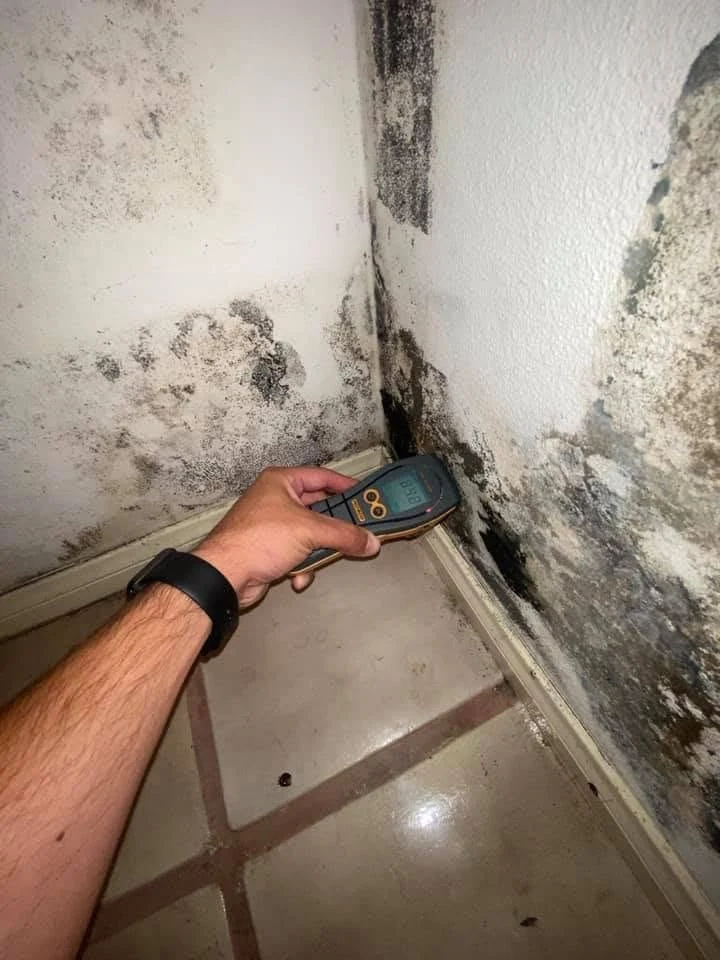
Mold Sampling Is Used for Specific Evaluation Goals
Not every mold concern requires a surface sample. Inspection findings and the reason for testing help determine whether sampling may provide useful additional information.
A specific area appears to have mold-like growth or unusual discoloration that requires additional evaluation.
Drywall, cabinets, wood, or other materials have been affected by leaks or moisture.
Inspection identifies a particular area that deserves closer testing rather than broad sampling throughout the property.
Sampling may be used as part of certain follow-up or post-remediation evaluations when appropriate.
Different Sampling Methods Serve Different Purposes
The type of sample used depends on the material, location, and purpose of the evaluation.
Surface Sampling
A targeted sample may be collected from a specific area of suspected mold or visible surface growth.
Air Sampling
Indoor air samples may be used when airborne mold conditions are relevant to the broader property evaluation.
Moisture Evaluation
Moisture measurements can help identify damp materials or water intrusion connected to the sampled area.
Sampling Should Be Connected to What Is Happening at the Property
A sample provides information about the material or area tested, but it does not explain every source of moisture or identify the full extent of a property problem by itself.
- Review visible mold or staining
- Inspect nearby moisture conditions
- Consider property and water-damage history
- Identify the most relevant sampling area
- Determine whether additional testing is appropriate
Surface Sampling Does Not Replace Moisture Detection
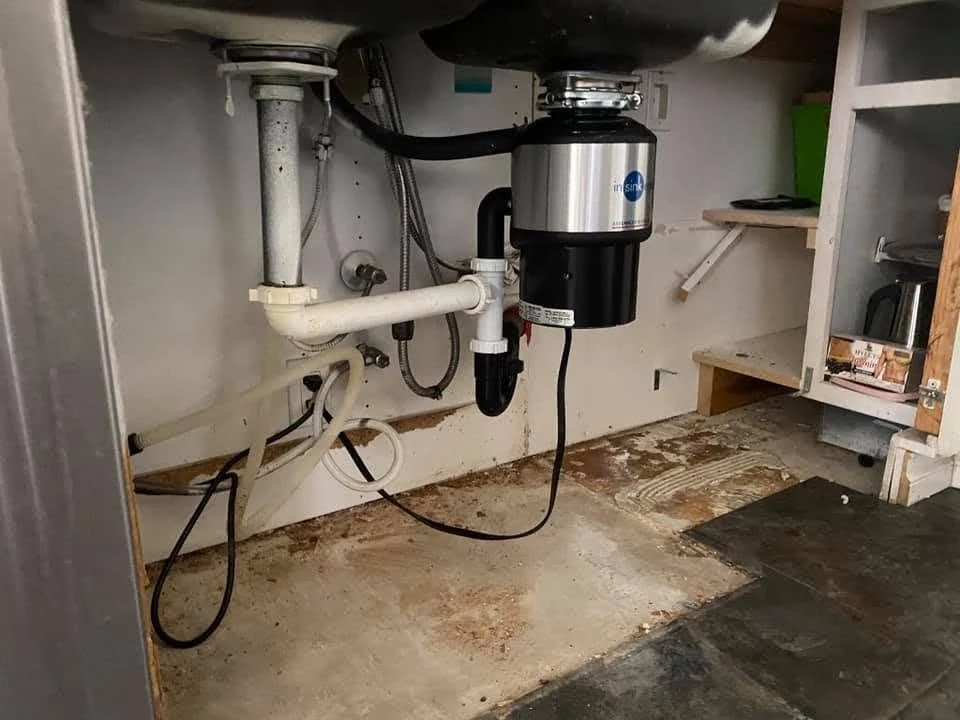
Mold visible on one surface may be connected to moisture inside a wall cavity, beneath a cabinet, or in another concealed location. When hidden moisture is suspected, the evaluation may need to go beyond the sampled surface.
- Wall cavities
- Under-sink plumbing areas
- Ceilings affected by leaks
- Cabinet interiors and backs
- Previously water-damaged materials
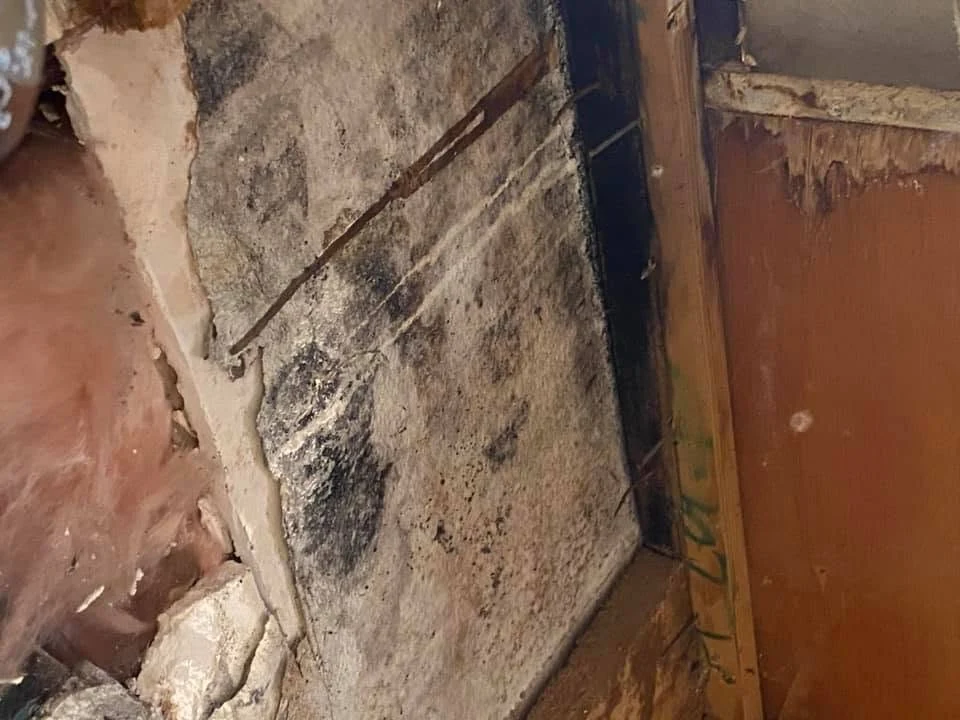
What to Expect During Mold Sampling
The exact process depends on the reason for testing and the property conditions, but sampling is typically part of a broader evaluation.
Review visible growth, water damage, moisture history, and the reason for requesting sampling.
Evaluate the suspected material and surrounding property conditions.
Determine what type of sample is appropriate for the specific evaluation objective.
Collect the selected sample from the targeted location or area.
Consider sampling information together with inspection and moisture findings.
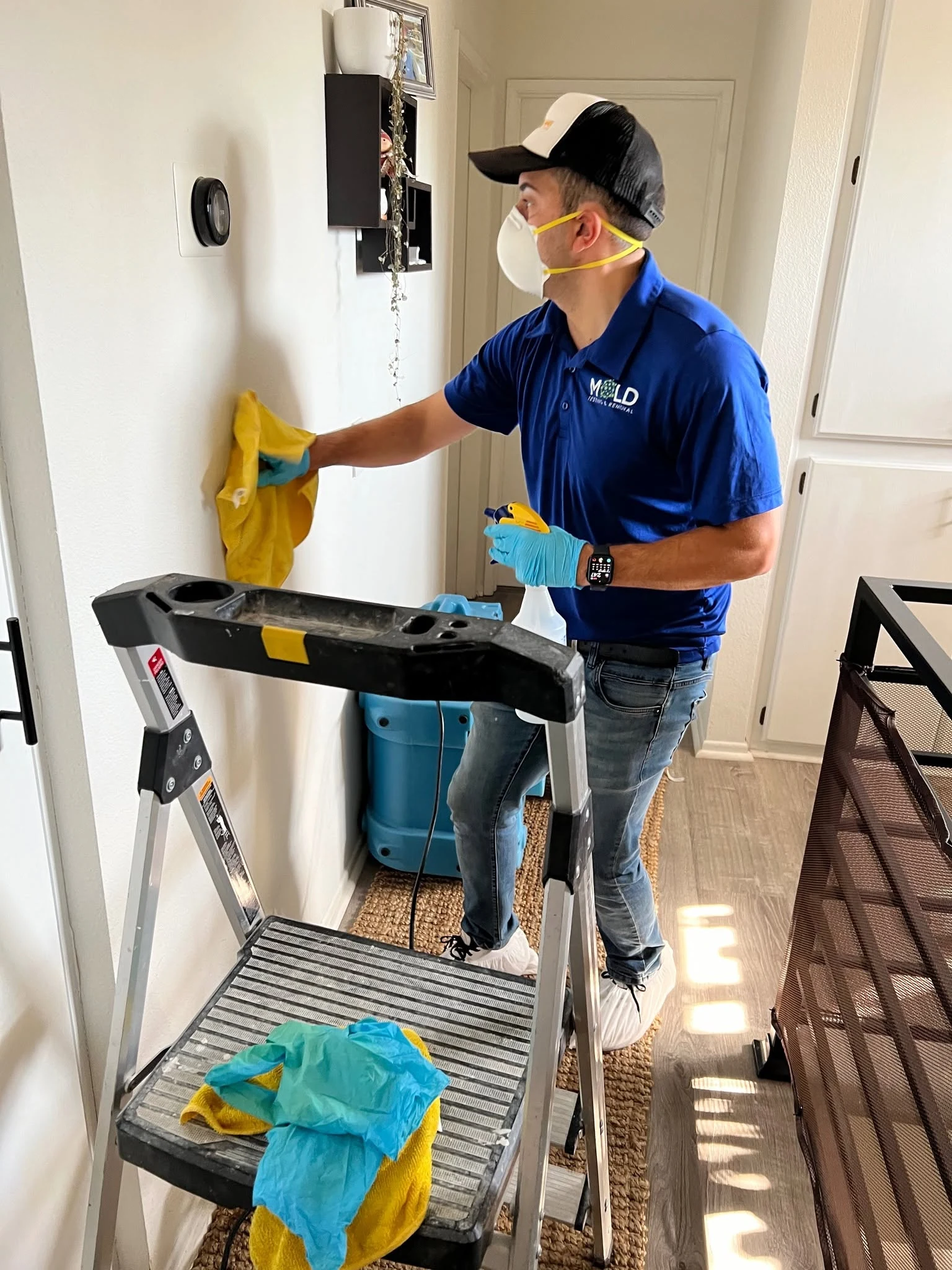
Sampling May Be One Step in a Larger Mold Project
If inspection and testing identify mold-affected materials, the next step may involve addressing the moisture source, removing affected materials, or performing professional remediation.
- Identify the affected area
- Review moisture conditions
- Determine whether removal is necessary
- Plan remediation when appropriate
- Consider follow-up inspection or testing
Additional Mold Testing & Inspection Services
Mold sampling is often part of a broader property evaluation.
Mold Sampling in Los Angeles & Surrounding Areas
Mold sampling and property evaluation services are available throughout Los Angeles and surrounding Southern California communities.
Common Questions About Mold Sampling
What is mold sampling?
Mold sampling involves collecting a sample from a specific surface, material, or air location when additional information is useful for a property evaluation.
Is mold sampling always necessary?
No. Whether sampling is appropriate depends on the reason for the inspection, visible conditions, and the information needed for the property evaluation.
What areas can be sampled?
Sampling may focus on specific visible or suspected mold-affected materials when those areas are relevant to the evaluation.
Is surface sampling different from air sampling?
Yes. Surface sampling targets a specific material or area, while air sampling evaluates airborne conditions at selected locations.
Can sampling find mold behind a wall?
A surface sample does not identify all hidden conditions. Suspected concealed mold is better evaluated with inspection, moisture detection, and other appropriate methods.
Do you provide remediation if mold is found?
Yes. Mold removal and remediation services are available depending on the property conditions and affected materials.
Need Help With Mold or Moisture?
Tell us what is happening at your property. Submit the form and our team will follow up about your mold testing, inspection, removal, remediation, or moisture concern.