Moisture Intrusion Detection in Los Angeles, CA
Professional moisture evaluation using visual inspection, moisture meters, and thermal imaging to help identify areas affected by leaks, water intrusion, or damp building materials.
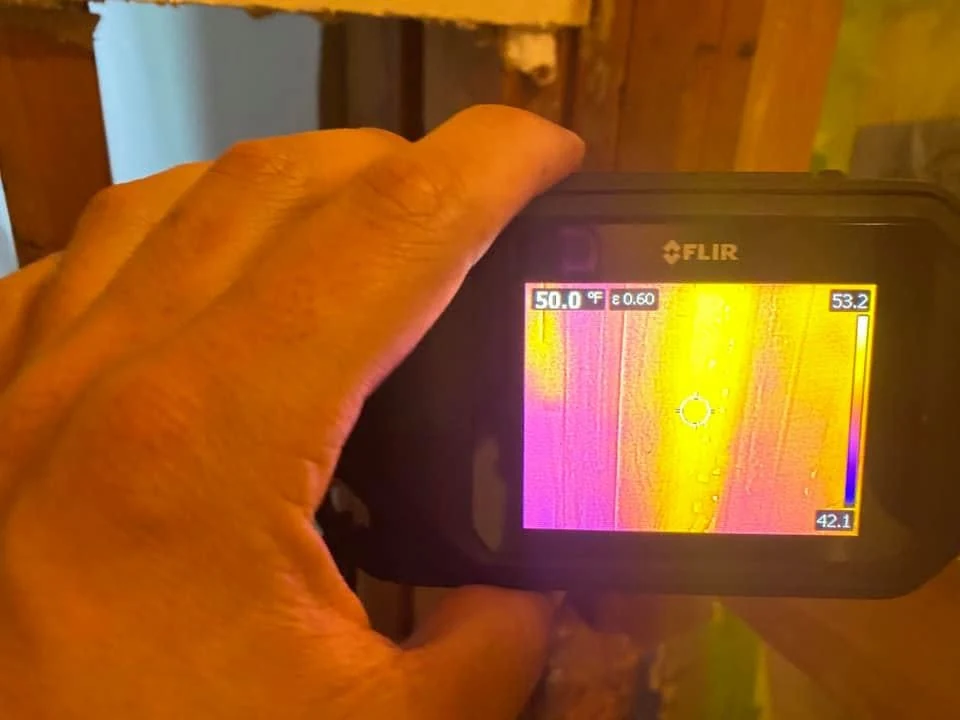
Water Intrusion Can Affect Areas You Cannot See
Moisture can travel through drywall, ceilings, wall cavities, cabinetry, flooring, and other building materials. Detecting where materials remain damp can help identify areas that require closer inspection or additional mold evaluation.
- Walls affected by leaks or water staining
- Ceilings beneath plumbing or roof areas
- Under-sink cabinets and plumbing spaces
- Previously flooded building materials
- Suspected hidden moisture inside wall cavities
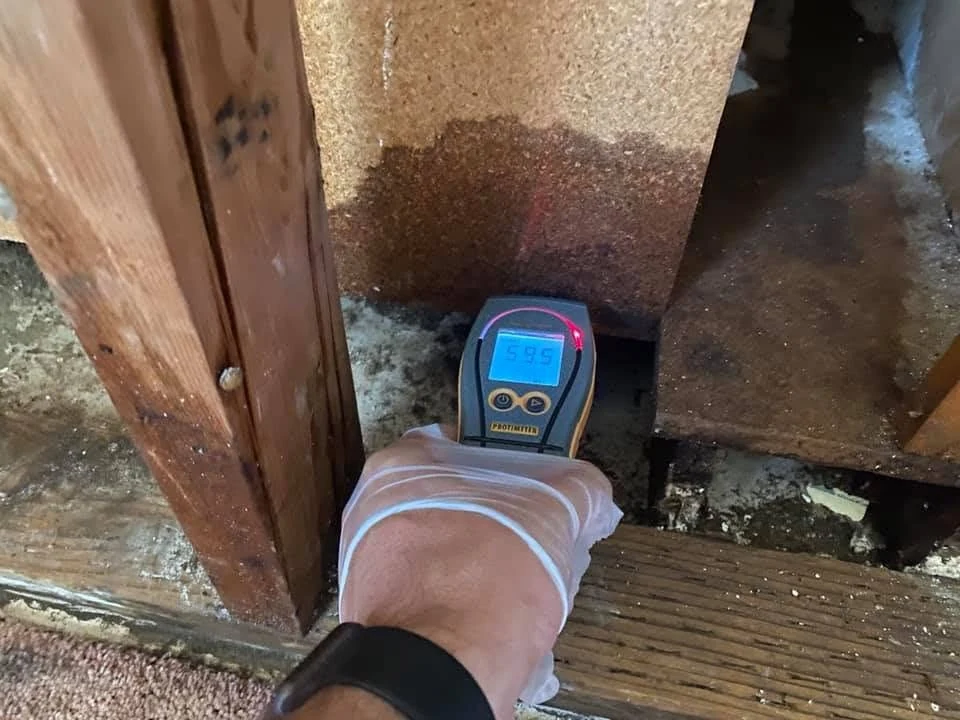
Where Moisture Intrusion Can Begin
Water intrusion can come from many sources. The inspection focuses on observed conditions, property history, and areas where building materials may have been exposed to moisture.
Supply lines, drain connections, fixtures, and hidden plumbing can affect walls, cabinets, and surrounding materials.
Roof or upper-level water intrusion can create staining and moisture within ceilings and wall assemblies.
Windows, doors, exterior walls, and other openings can allow moisture to enter building materials.
Materials affected by previous flooding may require evaluation when moisture or mold concerns remain.
Tools Used to Evaluate Moisture Conditions
Moisture intrusion detection is based on the overall property condition. Different evaluation methods may be used depending on the area being inspected.
Visual Inspection
Review staining, damaged materials, peeling finishes, visible water marks, and other signs of possible moisture.
Moisture Meter Readings
Moisture meters can help compare affected building materials with surrounding areas.
Thermal Imaging
Thermal cameras can identify temperature patterns that may justify closer evaluation for hidden moisture.
Targeted Wall Evaluation
Wall cavities and concealed building areas may require closer inspection when surrounding conditions indicate moisture.
Water Damage Review
Previous leaks, flooding, or repairs can provide useful context for deciding where to inspect.
Mold Evaluation
Areas affected by persistent moisture may also require mold inspection or testing depending on site conditions.
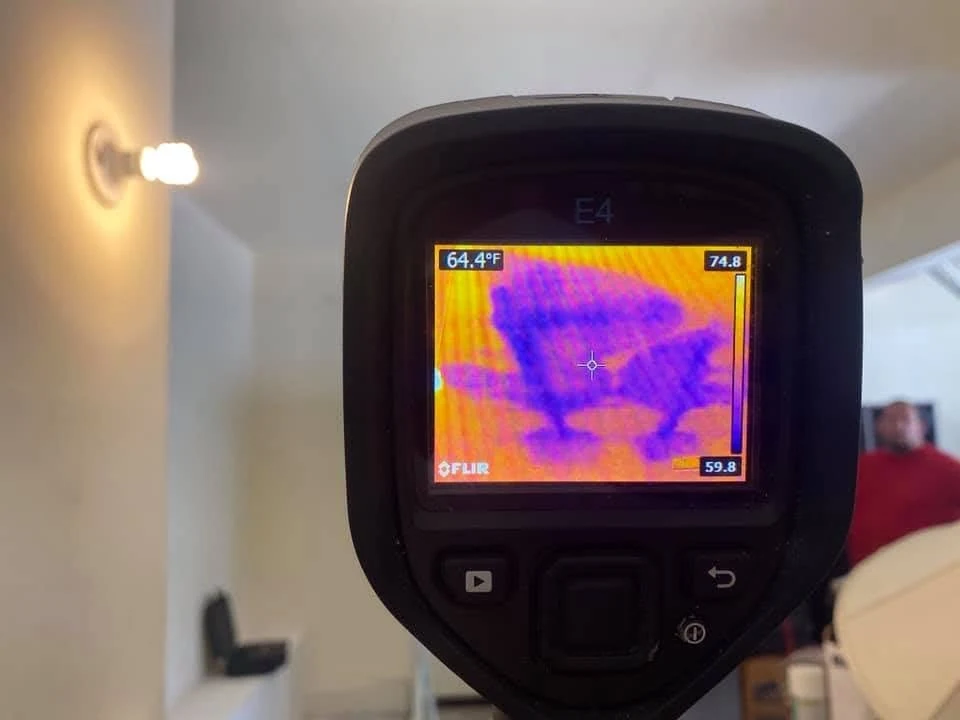
Thermal Imaging Helps Identify Areas Worth Investigating
Thermal imaging does not identify mold or water by itself. It can reveal temperature differences that help determine where additional moisture measurements or inspection may be useful.
- Ceilings with water staining
- Walls near plumbing
- Areas around windows and exterior walls
- Previously repaired water-damaged areas
- Rooms with persistent damp conditions
Small Leaks Can Affect Hidden Building Materials
A plumbing leak beneath a sink or inside a cabinet can affect wood, drywall, wall cavities, and other nearby materials. Even after the visible water is gone, some materials may remain damp.
- Under-sink cabinet bases
- Back walls around plumbing penetrations
- Drywall adjacent to leaking fixtures
- Flooring beneath cabinets
- Concealed materials behind finished surfaces
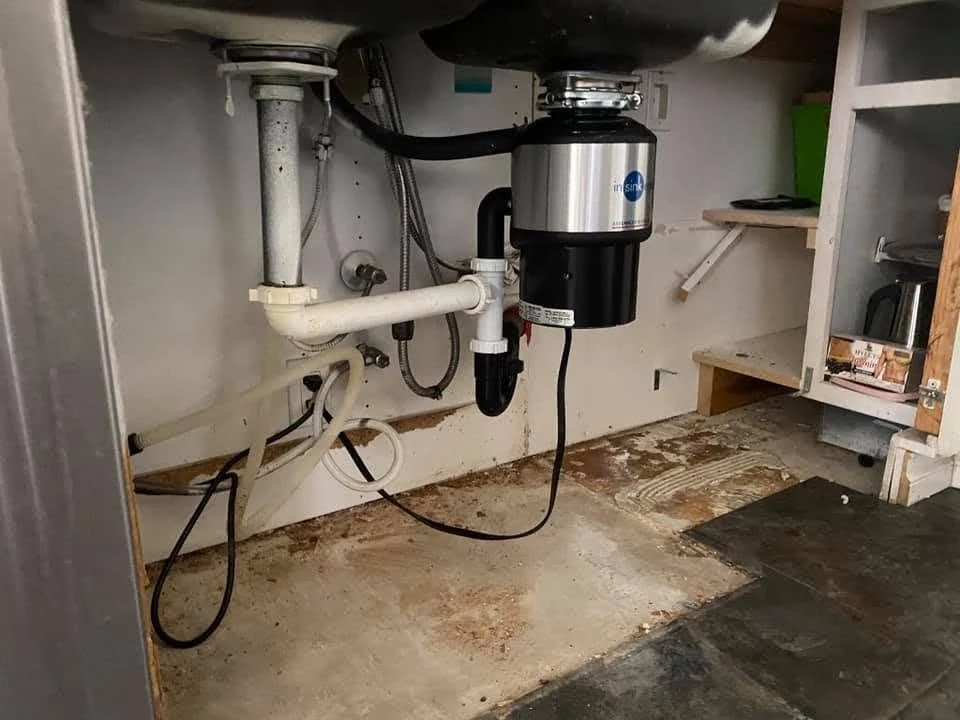
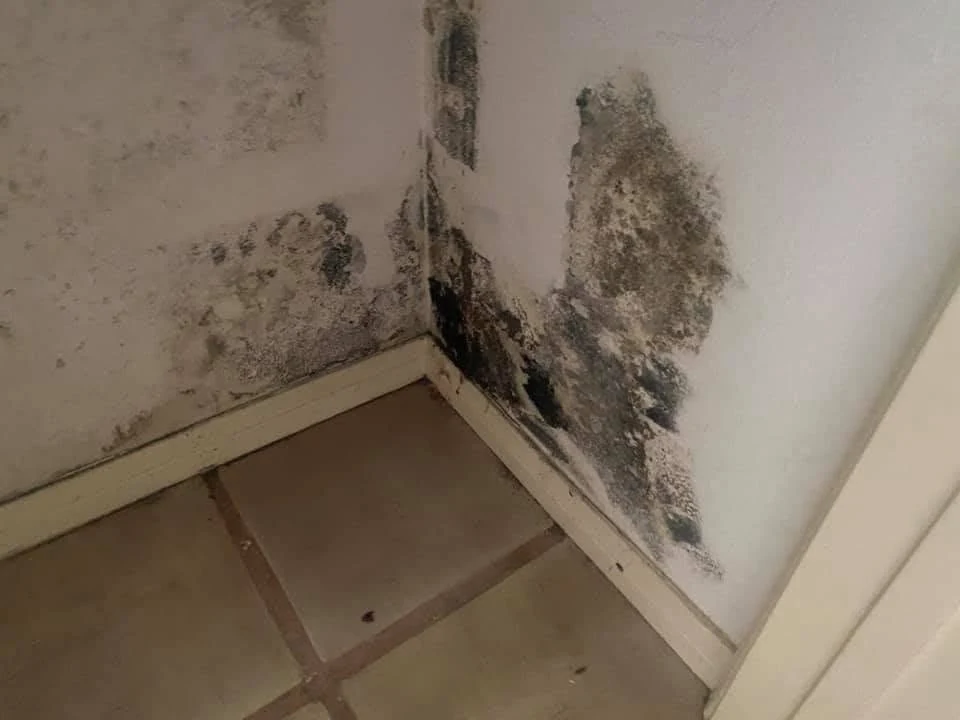
Moisture Conditions Can Contribute to Mold Problems
Mold concerns often begin with water intrusion or damp building materials. When moisture detection identifies affected areas, mold inspection or testing may be appropriate depending on what is observed.
- Inspect areas with visible mold
- Evaluate hidden damp building materials
- Consider mold testing when appropriate
- Identify areas that may require removal
- Plan remediation based on property conditions
What to Expect During a Moisture Evaluation
The exact process depends on the property and location of the concern, but moisture detection typically combines visual inspection and targeted instrument readings.
Discuss leaks, water damage, flooding, staining, or other known moisture concerns.
Review accessible areas for visible water damage and building material deterioration.
Use moisture meters and other tools in areas where water intrusion is suspected.
Compare readings and thermal patterns with surrounding building conditions.
Consider whether leak repair, drying, mold inspection, or remediation may be appropriate.
Services Connected to Water & Moisture Problems
Moisture detection can be one part of a broader water damage, mold inspection, or remediation project.
Moisture Detection in Los Angeles & Surrounding Areas
Moisture intrusion detection and mold-related inspection services are available throughout Los Angeles and surrounding Southern California communities.
Common Questions About Moisture Intrusion Detection
What is moisture intrusion detection?
Moisture intrusion detection involves evaluating building materials and property conditions for signs of water entry, dampness, or moisture that may require further attention.
Can a moisture meter find water behind a wall?
Moisture meters can help identify materials showing elevated moisture readings, but the findings should be interpreted together with visual inspection and other site conditions.
Does thermal imaging detect water directly?
No. Thermal imaging detects temperature patterns. Those patterns may help identify areas that deserve closer moisture inspection.
Can moisture detection help find hidden mold?
Moisture detection can help identify areas where damp materials may support mold conditions, but mold inspection or testing may still be needed depending on what is found.
Should I inspect after a plumbing leak?
If water affected walls, cabinets, ceilings, flooring, or other materials, moisture evaluation may help determine whether areas remain damp.
Do you also provide mold remediation?
Yes. Mold removal and remediation services are available when property conditions require professional cleanup.
Need Help With Mold or Moisture?
Tell us what is happening at your property. Submit the form and our team will follow up about your mold testing, inspection, removal, remediation, or moisture concern.