Mold Remediation Protocol Development in Los Angeles, CA
Develop a clear remediation scope based on property conditions, affected materials, moisture findings, and the areas identified during mold inspection or testing.
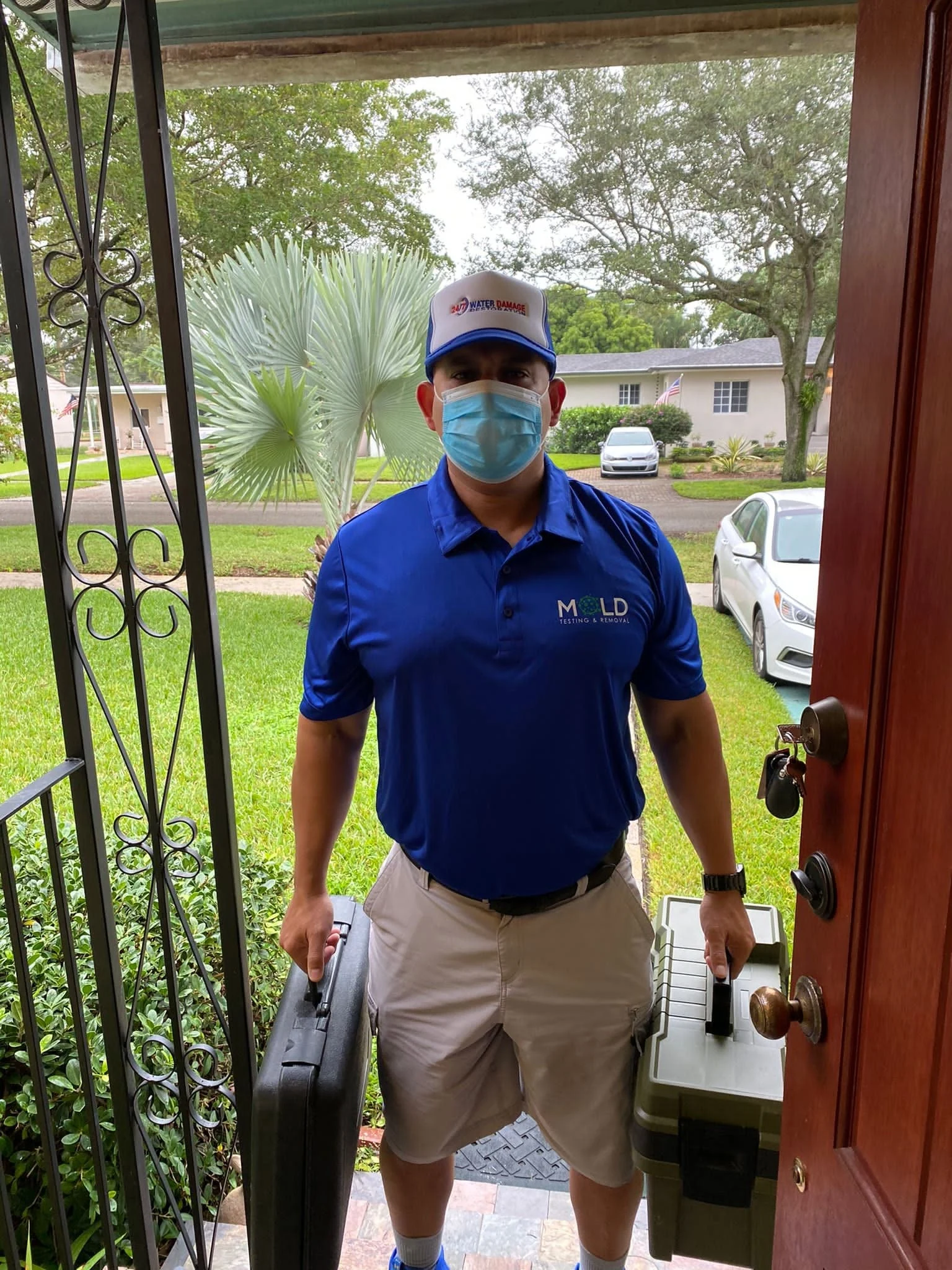
Turn Inspection Findings Into a Clear Cleanup Plan
A remediation protocol helps organize what areas require attention, what materials may need removal or cleaning, and what conditions should be addressed during the mold remediation project.
- Identify affected rooms and building materials
- Document visible and suspected mold conditions
- Consider moisture and water-damage findings
- Define cleanup and material-removal considerations
- Outline appropriate follow-up evaluation
Define the Problem Before Remediation Work Begins
A documented scope can help keep remediation work focused on the conditions identified during inspection rather than relying on a vague or undefined cleanup plan.
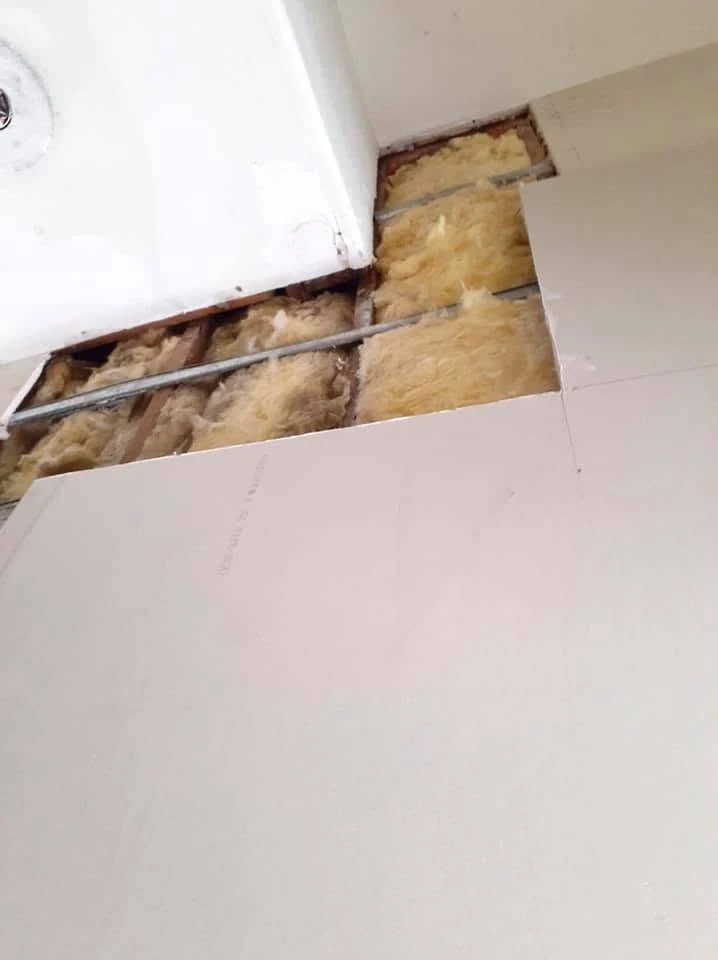
Document rooms, surfaces, wall cavities, cabinets, ceilings, or other materials connected to the mold concern.
Note materials that may require removal, cleaning, or further evaluation during the project.
Connect mold conditions to leaks, water intrusion, or damp materials that may require corrective action.
Define whether post-remediation inspection or clearance testing should be considered after cleanup.
The Protocol Should Reflect Actual Property Conditions
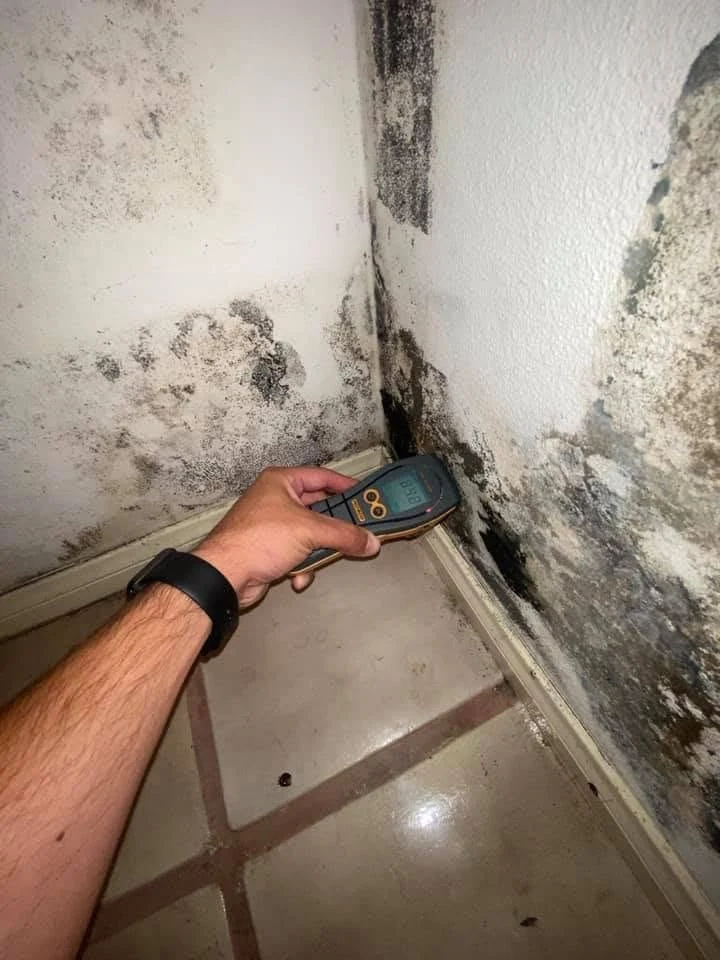
Protocol development begins with understanding what is happening at the property. Visible mold, concealed moisture, damaged materials, and the history of water intrusion can all affect the recommended scope.
- Visible mold and staining
- Moisture meter findings
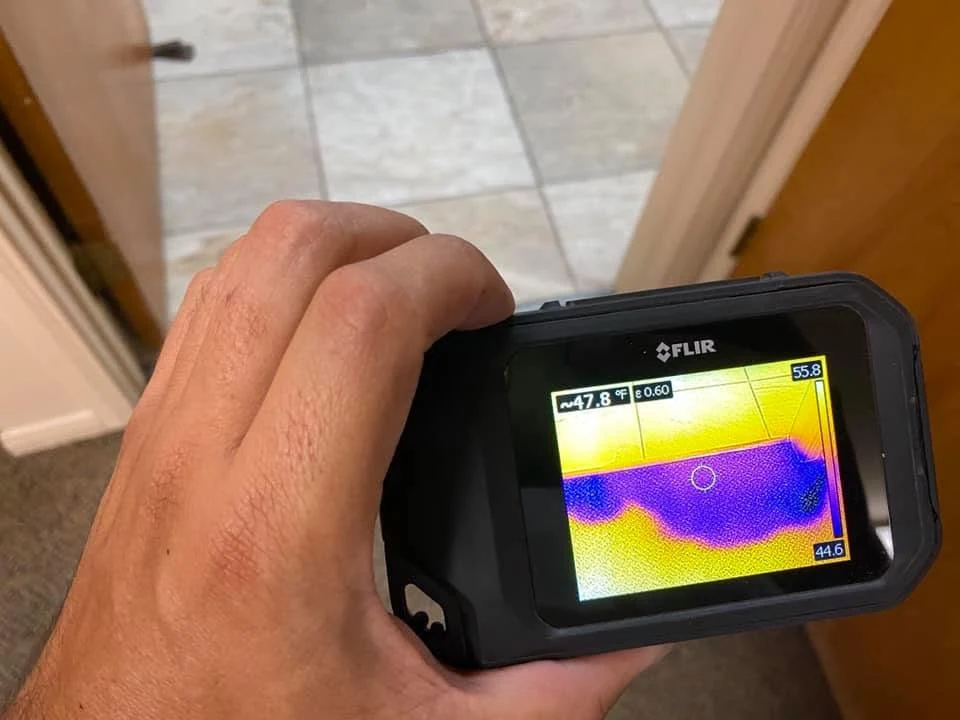
- Thermal imaging observations
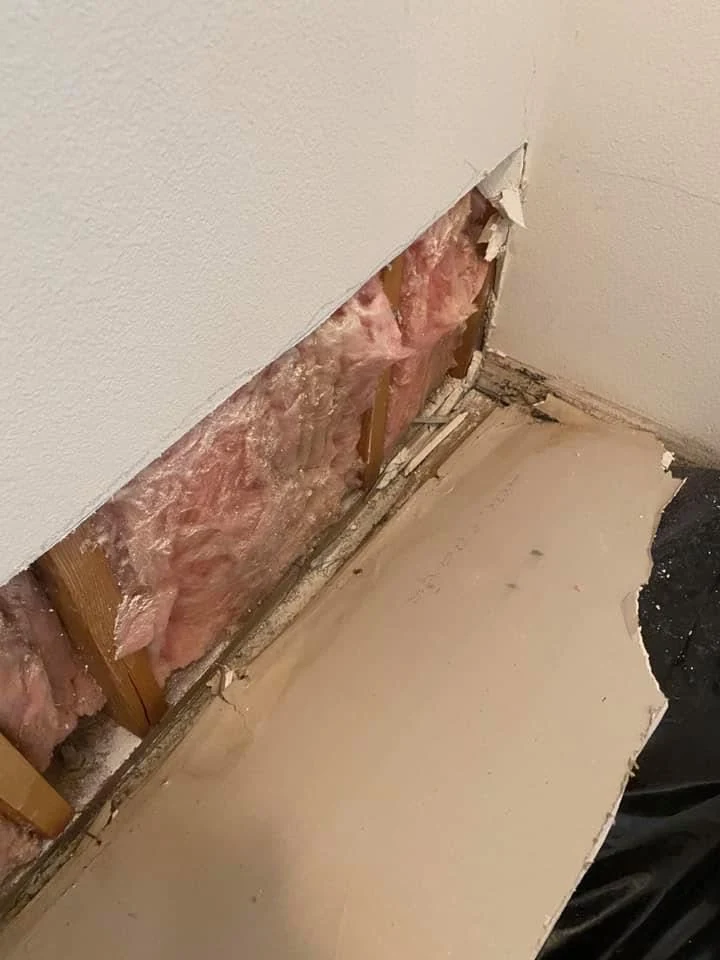
- Water-damaged building materials
- Relevant mold sampling or testing information
What a Mold Remediation Scope May Address
The exact recommendations depend on project conditions. A remediation protocol may address several areas of work based on the property evaluation.
Affected Areas
Identify the rooms, surfaces, and building areas included in the recommended remediation scope.
Containment Considerations
Outline containment or work-area isolation considerations when appropriate for the project.
Material Removal
Identify mold-affected or water-damaged materials that may require controlled removal.
Cleaning Methods
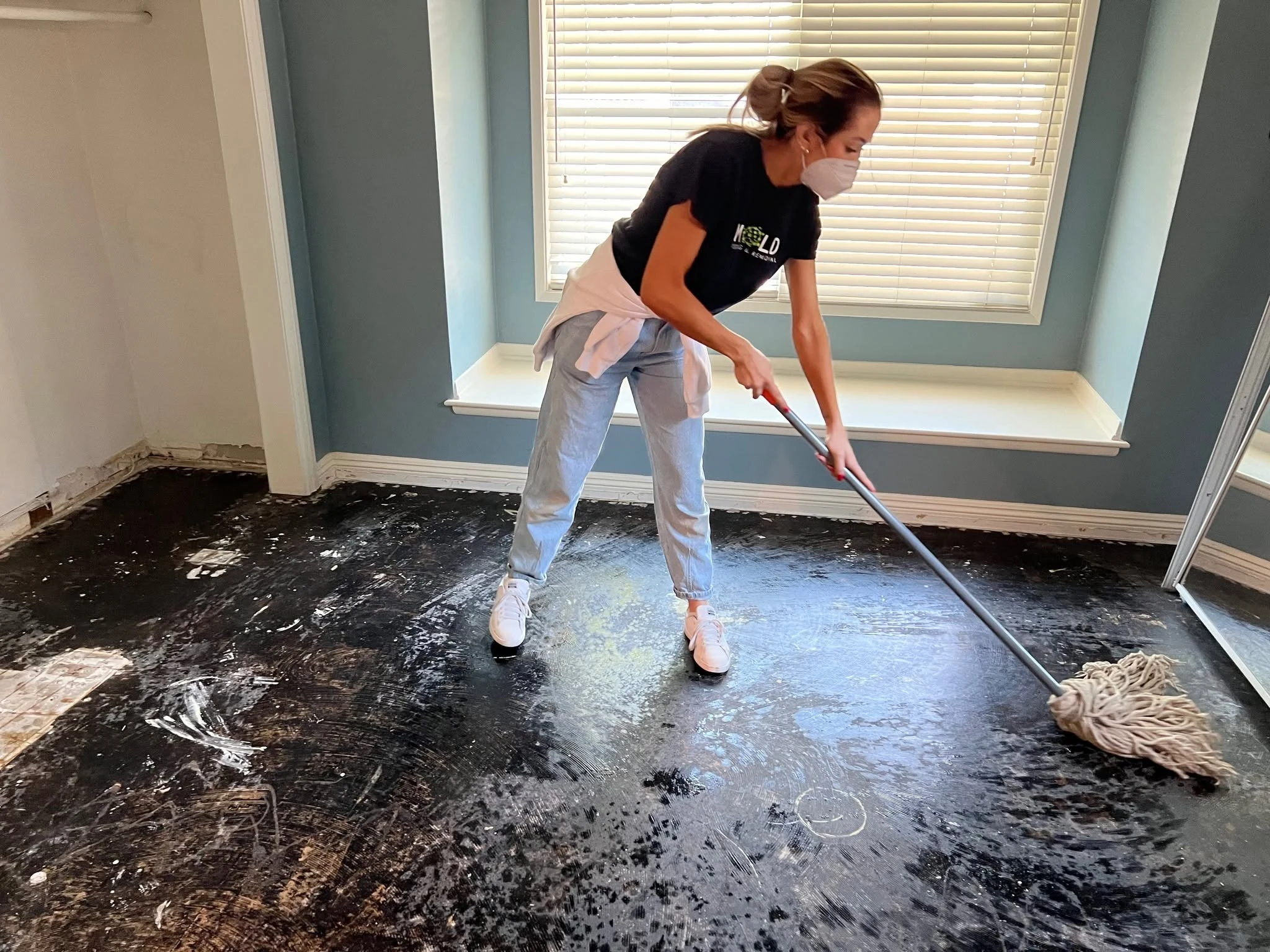
Describe cleaning considerations such as HEPA vacuuming, detailed surface cleaning, or other project-specific methods.
Moisture Correction
Note known moisture conditions that should be addressed so mold problems do not continue because materials remain damp.
Post-Remediation Review
Include follow-up inspection or clearance-testing considerations when appropriate for the project.
Different Building Materials May Require Different Responses
A remediation scope should distinguish between materials that may be cleaned and materials whose condition may justify removal. The decision depends on material type, moisture exposure, and the extent of mold involvement.
- Drywall and gypsum materials
- Wood framing and structural components
- Cabinets and built-in materials
- Ceiling and wall-cavity materials
- Other porous water-damaged materials
A Remediation Plan Should Consider the Source of Moisture
Cleaning mold without considering ongoing water intrusion can leave the property vulnerable to recurring problems. Moisture findings should therefore be considered when defining the remediation scope.
- Plumbing leaks
- Roof and ceiling leaks
- Water intrusion around exterior openings
- Moisture inside wall cavities
- Previously flooded materials
From Property Evaluation to Remediation Scope
The exact process depends on the property, but protocol development generally follows the findings identified during inspection and testing.
Evaluate mold concerns, water-damage history, and affected areas.
Identify visible conditions, moisture findings, and affected materials.
Determine which areas and materials should be included in the remediation plan.
Document containment, removal, cleaning, and moisture-related considerations.
Identify appropriate post-remediation inspection or testing considerations.
Define How the Completed Work Will Be Evaluated
Depending on the project, the protocol may include follow-up considerations for reviewing the remediation area after cleanup is completed.
- Visual review of remediated areas
- Check for remaining moisture concerns
- Review condition of cleaned surfaces
- Post-remediation inspection when appropriate
- Clearance testing when appropriate
Services Connected to Remediation Planning
Protocol development may be connected to mold inspection, remediation, moisture evaluation, and post-remediation services.
Remediation Protocol Development in Los Angeles & Surrounding Areas
Mold inspection and remediation planning services are available throughout Los Angeles and surrounding Southern California communities.
Common Questions About Mold Remediation Protocols
What is a mold remediation protocol?
A remediation protocol is a documented scope describing the mold-affected areas, materials, cleanup considerations, and other project conditions identified during the evaluation.
Why is a remediation protocol useful?
It can provide a clearer definition of the affected work area and recommended remediation steps before cleanup begins.
Does a remediation protocol include mold testing?
Testing information may be considered when it is part of the property evaluation, but the exact protocol depends on the inspection findings and project conditions.
Does the protocol identify materials that should be removed?
It may identify affected materials that require removal, cleaning, or further evaluation based on their condition and the scope of the mold problem.
Does the protocol address the source of moisture?
Known moisture conditions should be considered because unresolved water intrusion can contribute to recurring mold problems.
What happens after remediation is complete?
Depending on the project, post-remediation inspection or clearance testing may be used to evaluate conditions after cleanup is completed.
Need Help With Mold or Moisture?
Tell us what is happening at your property. Submit the form and our team will follow up about your mold testing, inspection, removal, remediation, or moisture concern.