Mold Clearance Testing in Los Angeles, CA
Post-remediation mold clearance testing for properties where cleanup has been completed and additional inspection, moisture evaluation, or sampling is appropriate.
Evaluate the Remediated Area Before Moving Forward
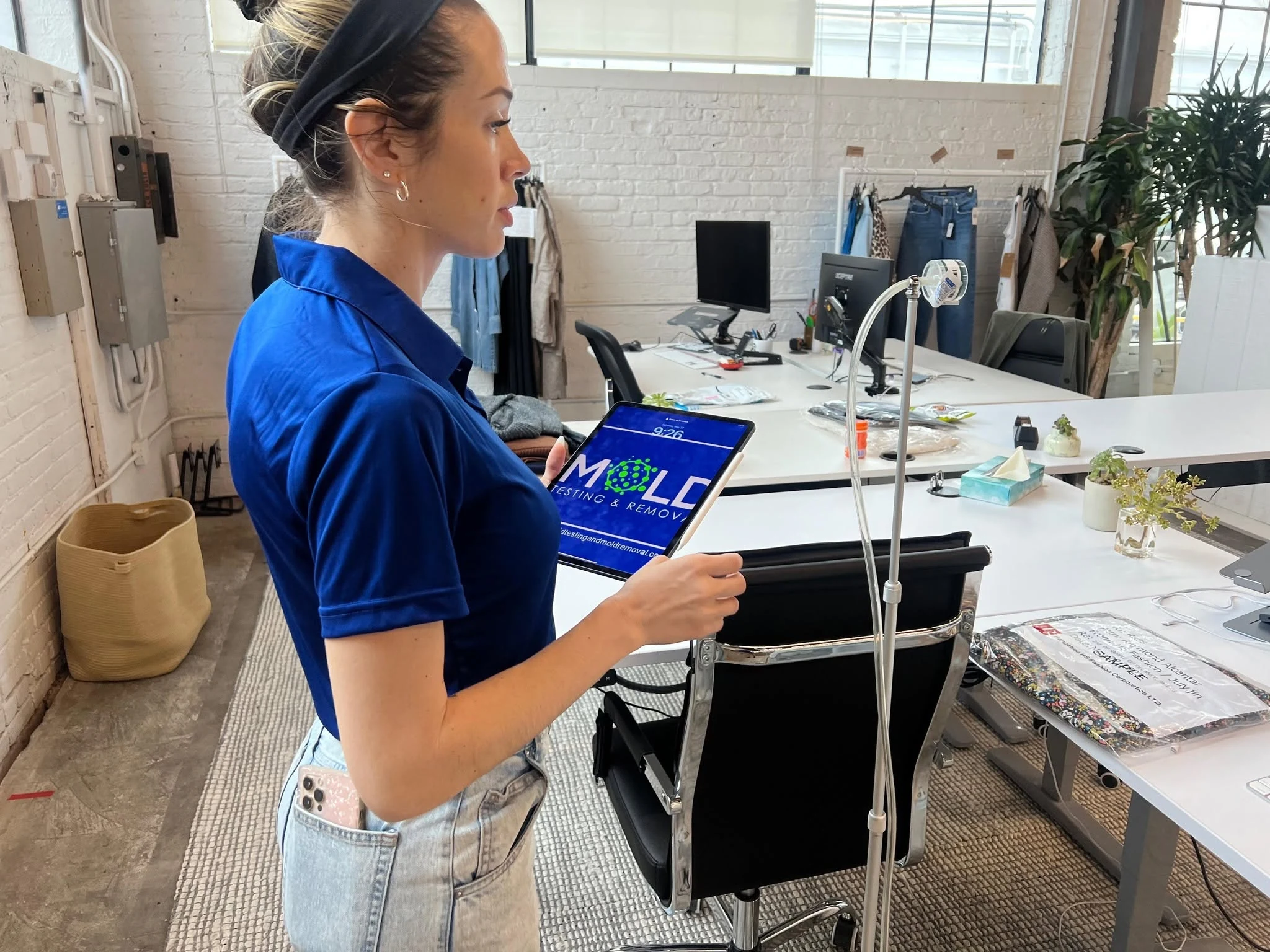
Clearance testing may be used after mold remediation to evaluate conditions in the cleaned work area. The scope can include visual inspection, moisture evaluation, and sampling when appropriate.
- Review previously remediated areas
- Evaluate visible work-area conditions
- Check for remaining moisture concerns
- Collect air or surface samples when appropriate
- Review findings in the context of the completed project
Follow-Up Testing Depends on the Remediation Project
Clearance testing is not identical for every project. The original mold condition, remediation scope, property type, and follow-up objectives help determine what evaluation is appropriate.
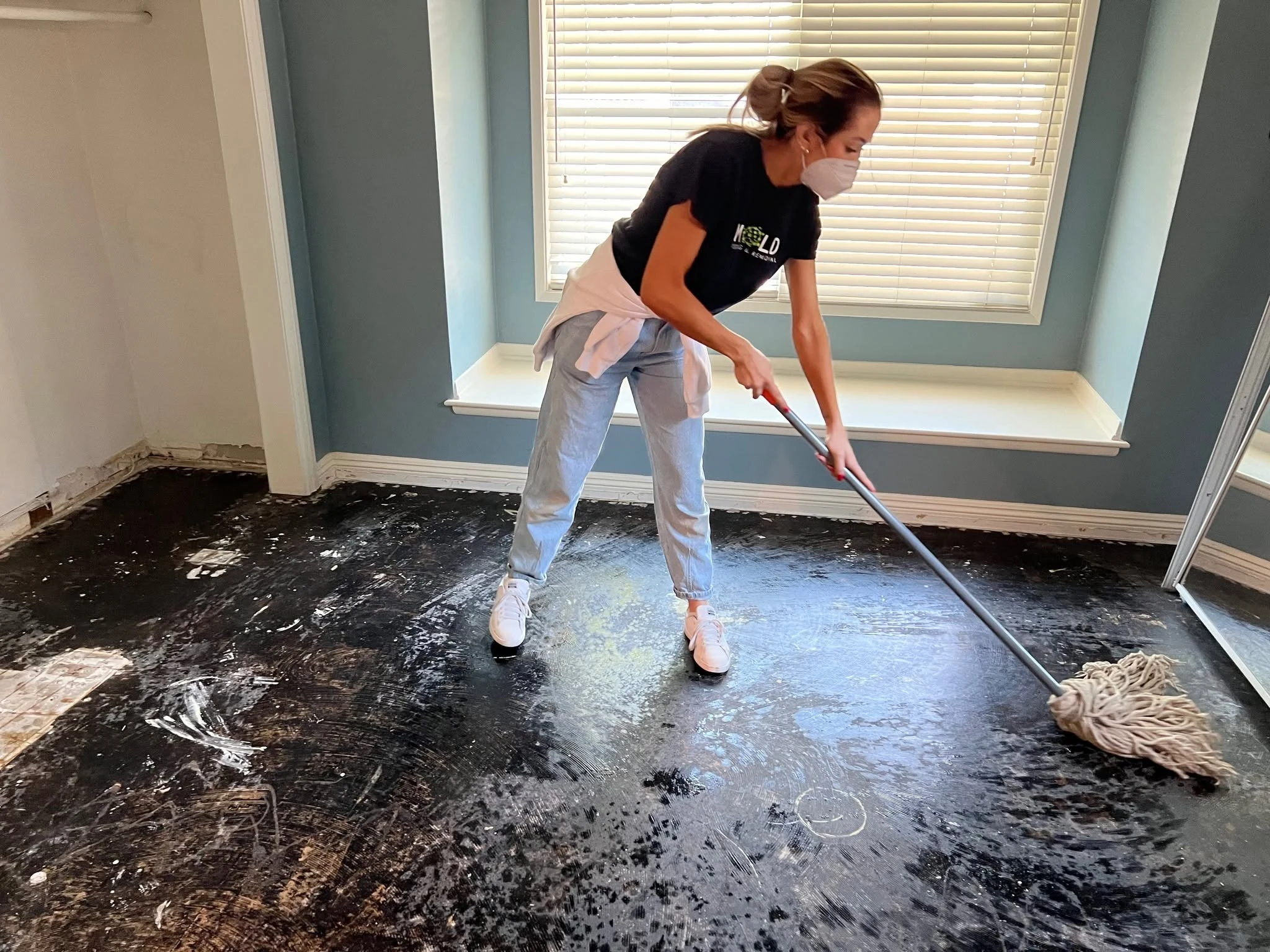
Cleanup and removal work has been completed and the affected area is ready for follow-up evaluation.
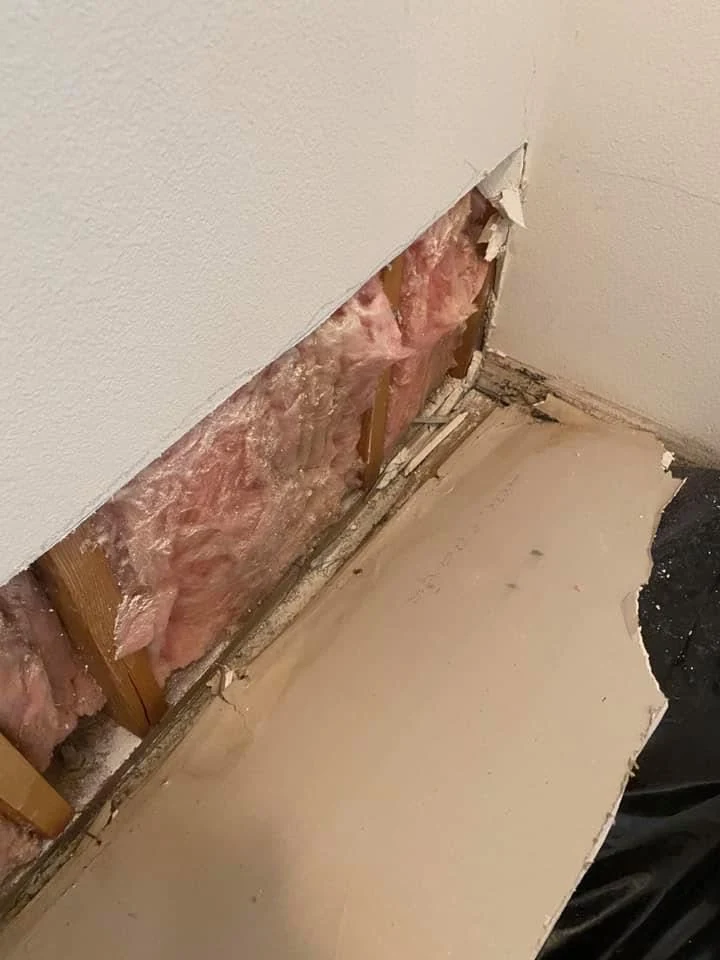
Mold-affected drywall or other building materials were removed and exposed areas require review.
A leak or water-damage source has been addressed and previously affected materials require follow-up evaluation.
The property owner, manager, or project scope calls for additional post-remediation assessment.
Clearance Evaluation Is More Than Collecting an Air Sample
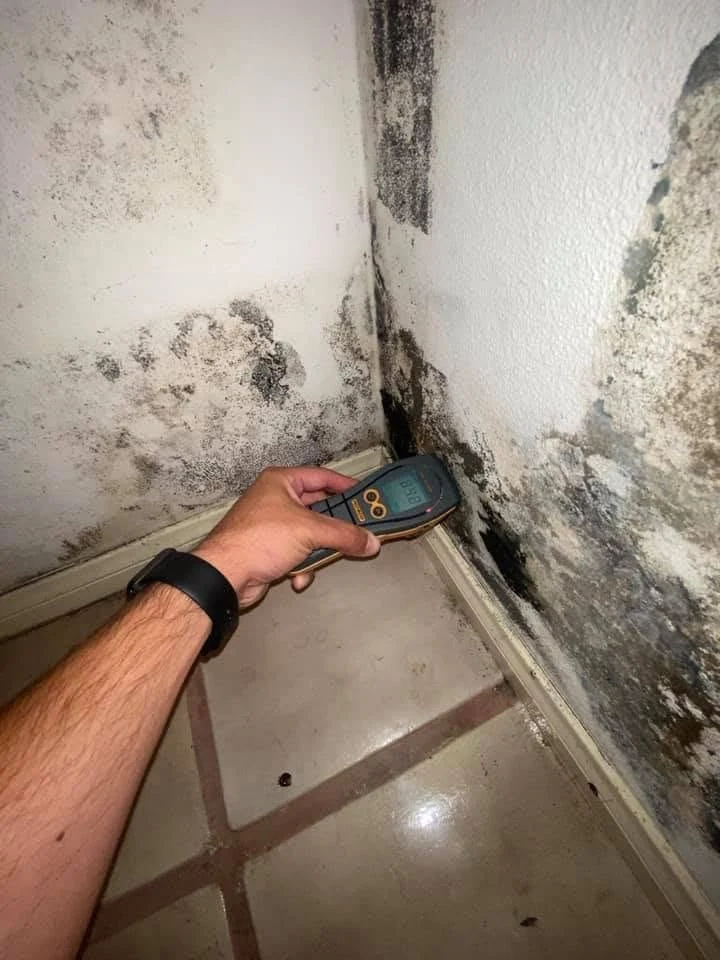
Sampling can provide additional information, but visible conditions and moisture findings remain important. A remediated area should be reviewed in the context of the work that was performed.
- Review the remediation area
- Check visible building materials
- Evaluate remaining debris or staining
- Check relevant moisture conditions
- Determine whether sampling is appropriate
Different Methods Can Be Used Based on the Project
The appropriate clearance scope depends on the remediation work, original findings, and purpose of the follow-up evaluation.
Visual Inspection
Review accessible remediated areas, exposed building materials, and visible work-area conditions.
Moisture Measurements
Moisture readings may be used in relevant areas where water intrusion contributed to the original mold condition.
Air Sampling
Indoor air samples may be collected when airborne conditions are part of the clearance evaluation.
Surface Sampling
Specific materials or surfaces may be sampled when targeted follow-up information is appropriate.
Work-Area Review
Evaluate conditions in areas where containment, demolition, cleaning, or remediation activities occurred.
Follow-Up Recommendations
Findings can help determine whether additional cleaning, drying, inspection, or evaluation should be considered.
Air Sampling May Be Part of the Clearance Evaluation
Air sampling can provide additional information about airborne conditions after remediation. It should be considered together with the inspection, moisture conditions, and project scope.
- Select sampling locations based on the work area
- Consider the purpose of the clearance evaluation
- Review sampling information with site observations
- Evaluate relevant moisture conditions
- Consider whether further follow-up is necessary
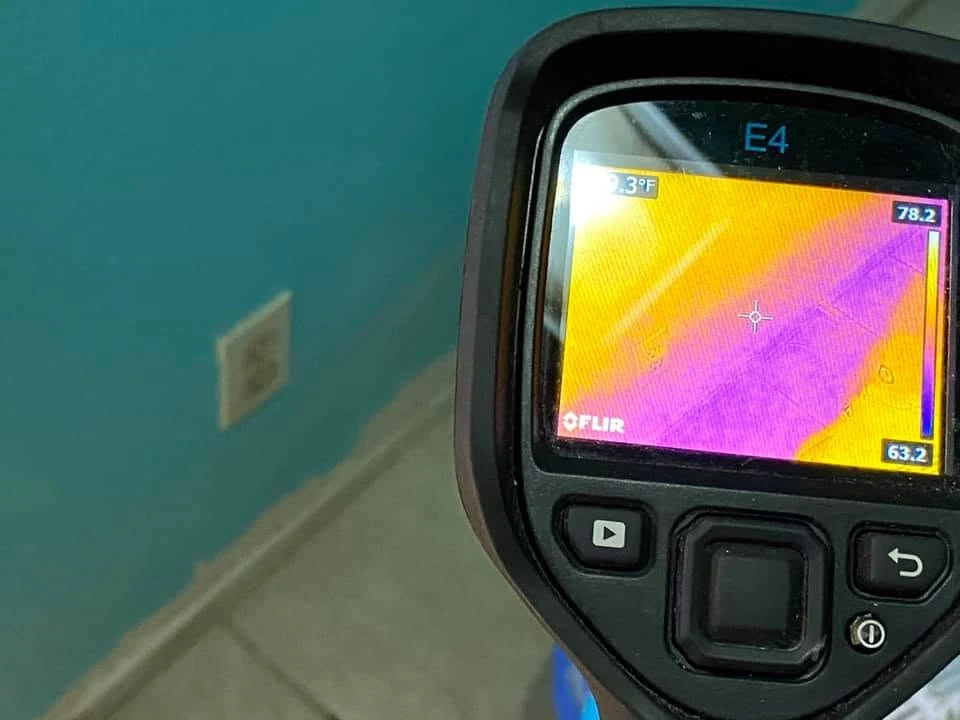
The Original Moisture Problem Should Be Part of the Follow-Up
If mold developed because of a plumbing leak, roof leak, flooding, or another water source, the clearance evaluation should consider whether relevant materials remain damp.
- Previously wet wall cavities
- Plumbing leak locations
- Ceiling and roof leak areas
- Cabinets affected by water intrusion
- Other materials included in the remediation scope
What to Expect During a Post-Remediation Clearance Evaluation
The exact scope varies by project, but the evaluation typically begins with the completed remediation work and the original conditions that required cleanup.
Identify the remediation areas, original concerns, and work that was completed.
Review accessible remediated areas and visible building conditions.
Evaluate relevant materials for remaining moisture when appropriate.
Perform air or surface sampling when it is appropriate to the clearance scope.
Consider inspection, moisture, and sampling information together to determine appropriate next steps.
Clearance Evaluation Should Reflect the Work That Was Required
When a remediation protocol or defined scope exists, it can provide useful context for the follow-up evaluation by identifying the areas and materials originally included in the project.
- Original affected areas
- Materials removed during remediation
- Areas that received cleaning or treatment
- Moisture conditions connected to the mold problem
- Recommended follow-up considerations
Services Connected to Mold Clearance Testing
Clearance testing may be connected to post-remediation inspection, air sampling, mold testing, and remediation planning.
Mold Clearance Testing in Los Angeles & Surrounding Areas
Post-remediation inspection and clearance testing services are available throughout Los Angeles and surrounding Southern California communities.
Common Questions About Mold Clearance Testing
What is mold clearance testing?
Clearance testing is a follow-up evaluation performed after mold remediation. Depending on the project, it may include inspection, moisture evaluation, and sampling.
When should clearance testing be performed?
It is generally considered after the remediation work and cleanup included in the project scope have been completed.
Does clearance testing always include air sampling?
No. The appropriate scope depends on the project and reason for the evaluation. Air sampling may be included when appropriate.
Is clearance testing the same as post-remediation inspection?
They are related services. Post-remediation inspection focuses on visible and moisture conditions, while clearance testing may also include air or surface sampling.
What happens if a concern is found during the evaluation?
Depending on the finding, additional cleaning, drying, material removal, or further evaluation may be appropriate.
Can clearance testing be used after a larger remediation project?
Yes. The evaluation can be tailored to the original remediation areas and project scope.
Need Help With Mold or Moisture?
Tell us what is happening at your property. Submit the form and our team will follow up about your mold testing, inspection, removal, remediation, or moisture concern.